- Brand : treeseedsplus
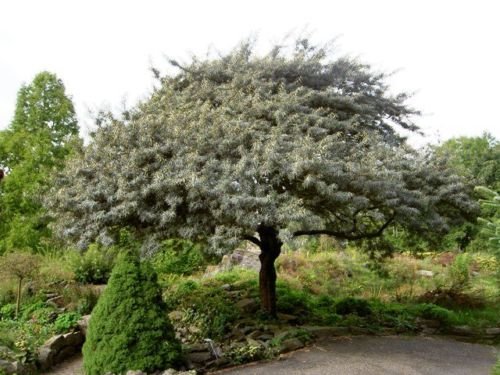
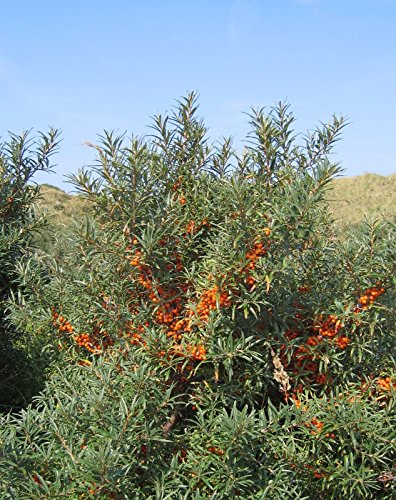
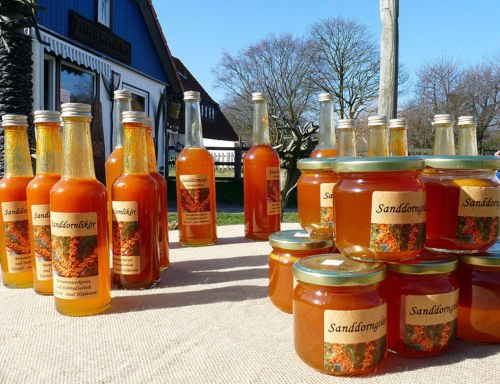
- Feature : This is a "Multiple Variation" style listing. Use the "Seed Qty" drop-down menu, above, to select quantity/weight. Choose from: 50 Seeds for $2.00 150 Seeds for $4.00 300 Seeds for $6.00 600 Seeds for $10.00 1,800 Seeds for $20.00 5,400 Seeds for $40.00 / Sowing Hippophae rhamnoides Seeds: For best results, please follow the instructions in the order provided. Scarify: Soak in water for 24 hours Stratify: Cold 90 days, 40 Degrees F in a Moist Medium (Not wet). Germination: Sow 1/8" Deep, Keep moist, (Not wet). / Sea Buckthorn, Hippophae Rhamnoides, Shrub Seeds Hardy, Adaptable, Easy to Grow, Nutritional Edible Fruits, Wildlife Food/Refuge, Cold, Salt, Wind and Drought Tolerant, Nitrogen Fixing, Medicinal With plenty to recommend it, Sea Buckthorn is widely used for healing in Asia and Europe, where it is valued as a potent anti-oxidant, a source for Vitamin C and a healing oil. The attractive small tree or shrub, also called Seaberry, is likely the most widely grown, northern hardy, fruiting plant in the world, but most Americans have never heard of it! In Europe, the sour, flavorful fruit is sweetened and its orange passion fruit like flavor makes fine sauces, jellies and a base for liqueurs. Blended with other fruits, it makes a delicious juice. The plants, native to the Russian Far East, are incredibly productive and a great choice for backyard fruit production! Sea Buckthorn is dioecious, with separate male and female plants. Narrow silver leaves and plentiful round, yellow-orange fruit cover the 6 to 10 feet tall, narrow, upright female forms. Sea Buckthorn withstands severe weather and grows huge root systems in poor soil (and fixes nitrogen in the soil). It can grow in low rainfall areas of mountains, sea coast and semi-desert areas. They are extremely hardy, to -50° F., disease resistant and easy to grow. For centuries, the people of Central and Southeastern Asia have used Sea Buckthorn as an agent of traditional medicine to prevent and treat various ailments. Today, the plant is primarily valued for its fruits, which provide vitamin C, vitamin E and other nutrients, antioxidants, oils rich in essential fatty acids and other healthful components. The leaves are also used for making a multi-vitamin herbal beverage. The list of products made with Sea Buckthorn is long and varied including jams, juices, cosmetic lotions, nutritional supplements and liquors. Branches are used in floral displays, and commercial crops are harvested by cutting off entire fruit-laden / Medicinal uses of Sea Buckthorn are well documented in Asia and Europe. Clinical tests on medicinal uses were first initiated in Russia during the 1950s. The most important pharmacological functions attributed to Sea Buckthorn oil are: anti-inflammatory, antimicrobial, pain relief and promoting regeneration of tissues. More than ten different drugs have been developed from Sea Buckthorn in Asia and Europe. The ancient Greeks named the genus Hippophaë,or "glittering horse," because they believed that horses became plump and healthy when maintained on pastures with these shrubs. Today, herdsmen in northwest China often feed Sea Buckthorn leaves to their animals. In Russia, fodder supplements of Sea Buckthorn by-products are reported to improve live weights and coat condition. Feeding poultry with meal made from Sea Buckthorn fruit and fruit oil has been observed to increase the pigmentation of egg yolks and body fat. The oil also increases flesh pigmentation in rainbow trout. / Other Names: Sea Buckthorn, Sea-buckthorn, Seaberry, Sea Berry Zone: 3 to 9, Hardy to -50° F Growth Rate: Moderate Plant Type: Large, deciduous shrub Family: Elaeagnaceae Native Range: Europe Height: 6 to 10 feet Spread: 6 to 10 feet Shape: Spreading, Upright, Rounded Bloom Time: March-April Bloom Color: Yellow Flower/Fruit: Non showy yellowish flowers in March followed by orange, egg-shaped edible fruit that persist through winter. Requires male and female plants to bear fruit. Sun: Full Sun Fall Color: Grayish-green, not showy Drought Tolerance: High Water: Medium Maintenance: Low Site Requirements /Soil Tolerances: Very hardy and adaptable. Give it plenty of room to spread. Culture: Can be pruned to a small tree. Thorns on the stem and branches often make it difficult to harvest the fruits. Give plants full sun, good drainage, and space them about 7 feet apart or 3 to 5 feet for a hedge. Uses: Winter fruit effect, mass or grouping, border, screen, seaside planting, erosion control, wildlife refuge, edible fruit.
- ProductGroup : Lawn & Patio
- ProductTypeName : SEEDS_AND_PLANTS
- Title : Sea Buckthorn, Hippophae Rhamnoides, 50 Seeds, Hardy, Edible Fruit