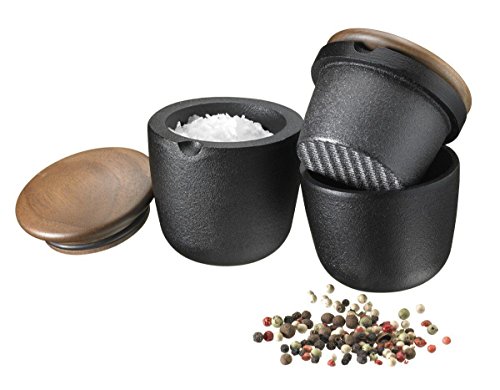
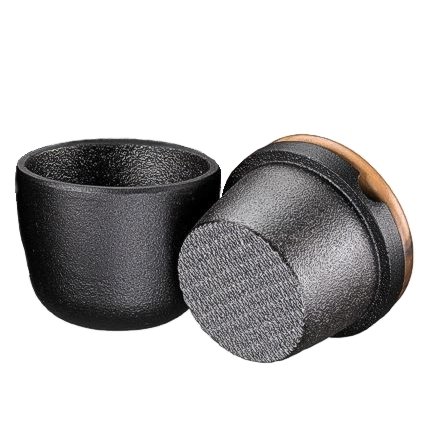
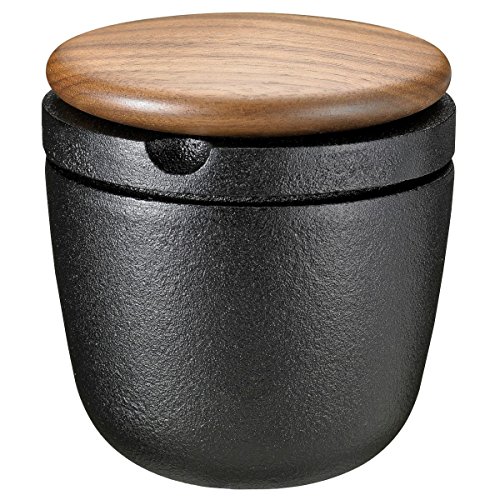
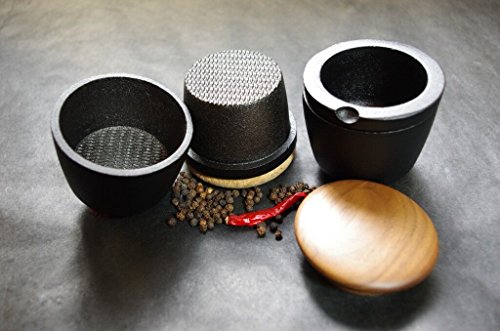
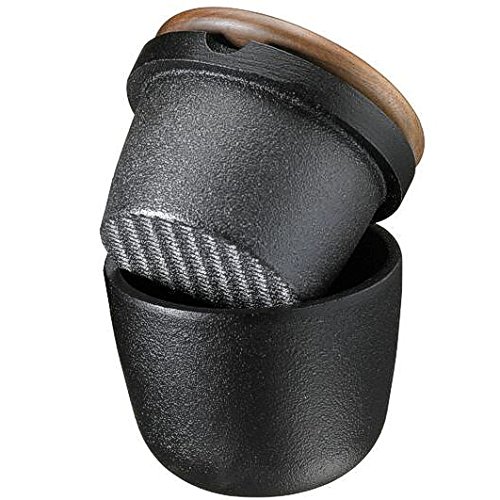
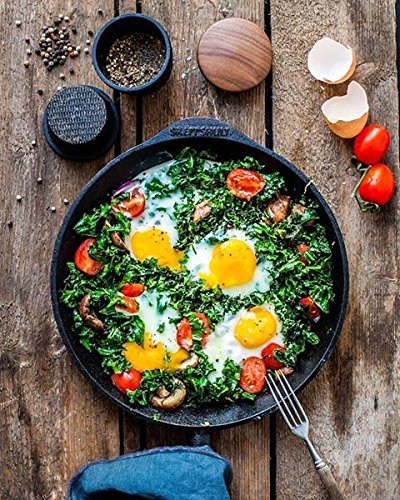
Studio : Skeppshult Publisher : Skeppshult Binding : Kitchen Product Description
About the brand: Todays society moves at a fast pace; products become obsolete within a year and many are mass-produced, usually in the Far East. Skeppshult is based on a different premise; we have made our products by hand since 1906 according to ancient methods and traditions.The process: It all starts with raw iron heated to 1,500 degrees together with other metals in carefully controlled amounts in our induction furnaces. This process creates the glowing cast iron, the foundation for our products. We care about our environment, and Skeppshult uses only electricity from wind and hydropower. Casting the molten iron requires special molds that can withstand extreme temperatures. Metal tools such as those used in casting aluminum and other materials would not withstand molten cast iron and therefore we use sand molds that have been compressed under several tons of pressure. The composition of the sand is very important and something we put a lot of time into.With 100 years of experience, we have found the right composition that can both hold the hot cast iron and provide the right structure in the cast metal. Two halves of the sand molds are pressed together, which creates a cavity for the molten cast iron. The casting master pours the iron by hand; it takes experience and precision for the castings to meet our requirements at Skeppshult. When the cast iron has cooled down, the mold halves are separated and the first results of the process can be seen. A sand mold can be used only once and therefore each product is unique, no two are exactly alike. The sand is recycled and used for another sand mold. Grinding, bottom turning blasting produces the proper structure before the cast iron is seasoned with rapeseed oil from Osterlen. Treating with oil both protects the cast iron from external damage and gives the cast iron its natural non-stick property.
0
|