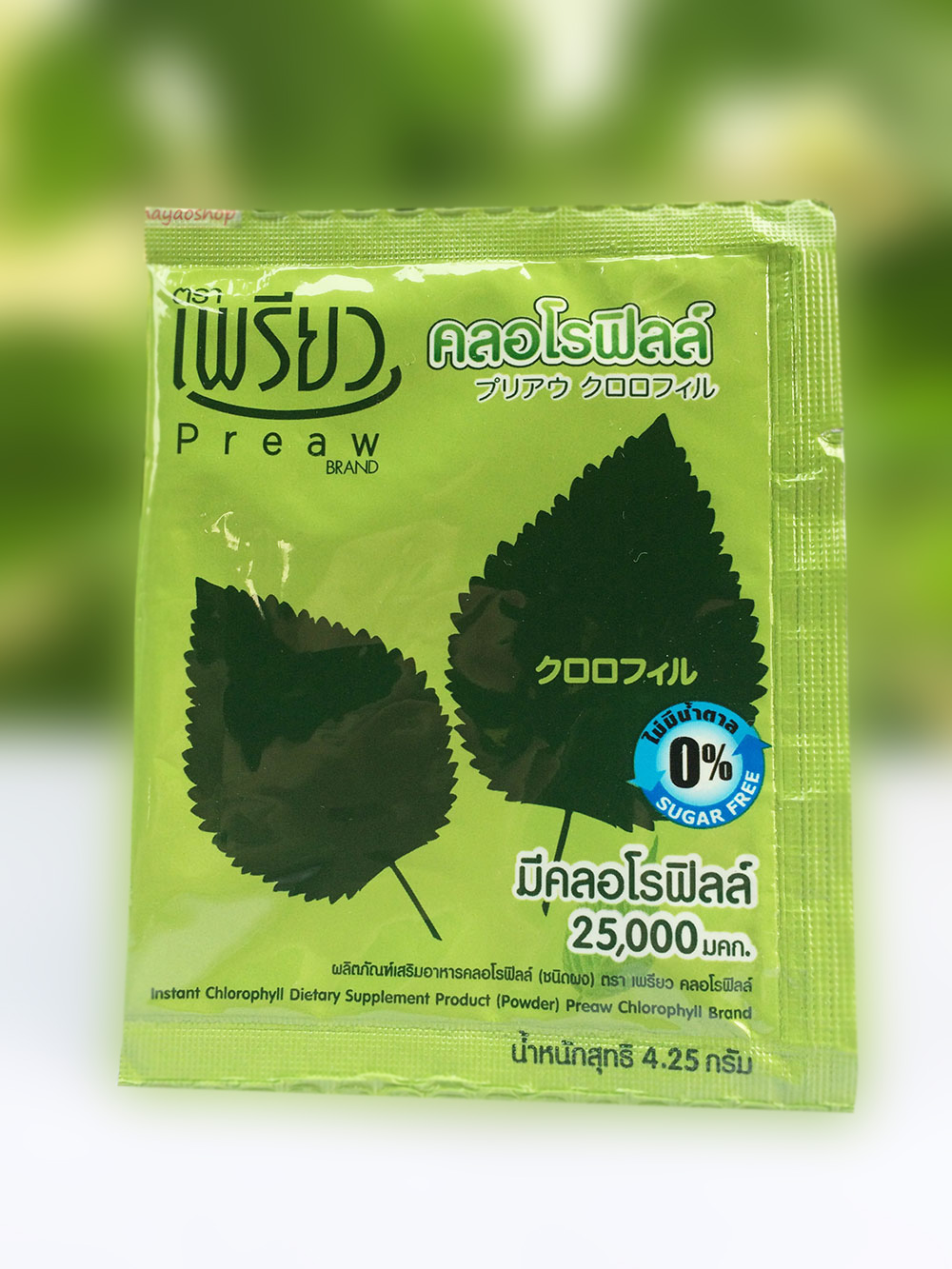
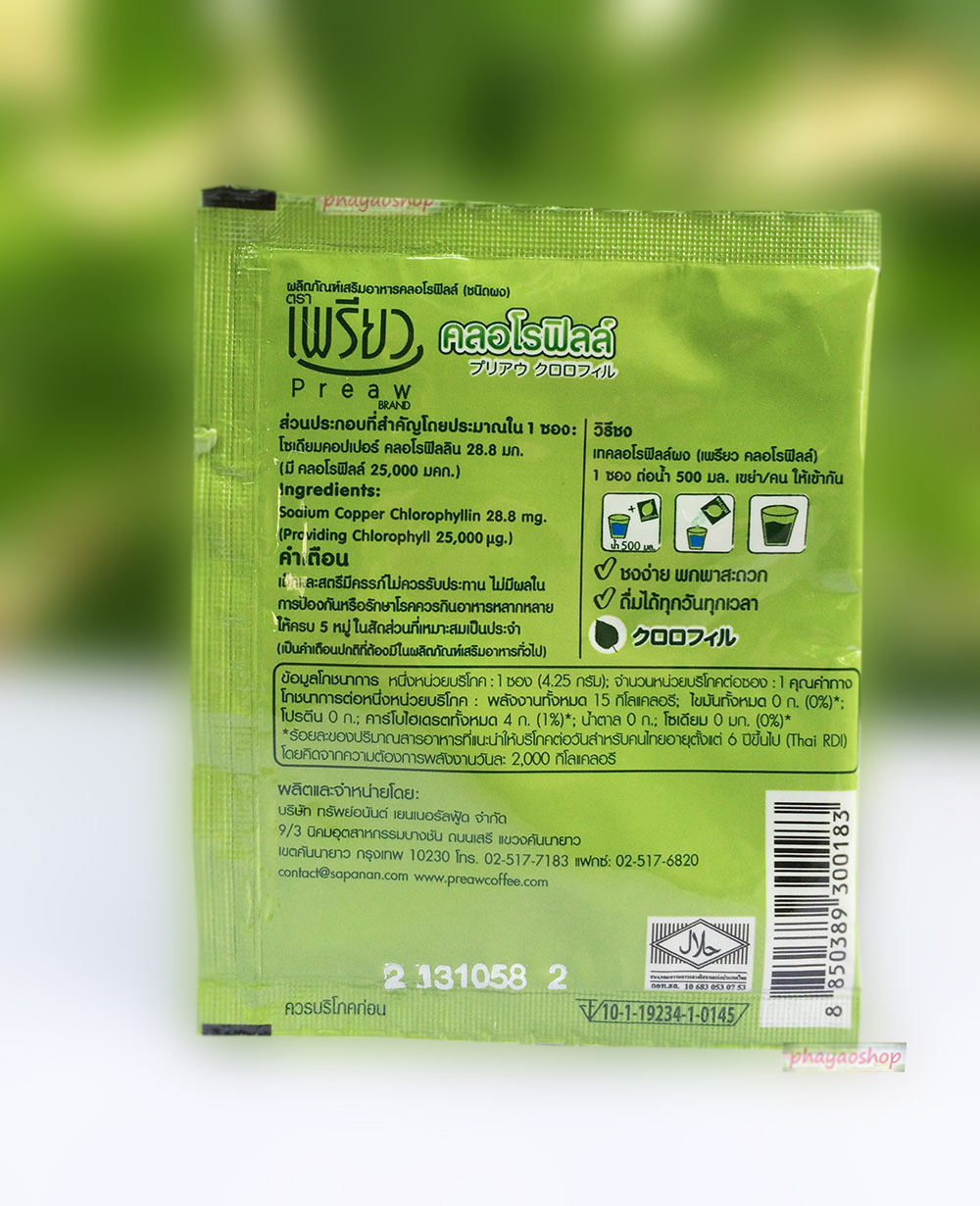
|
Description
High Quality Premium Package
How's the wheater there? Please take care yourself !!
Description Gynostemma pentaphyllum Jiao Gu Lan: Blood pressure,Cardiovascular functions,Cholesterol
This item is popular like international famous brand . It is in the top-pick from shelf at world class department stores in Bangkok Thailand.This product has certification of Ministry of Public Health Thailand. Thai FDA REF.No. G 659/45
| Daily dosage:Take 2 capsules, three times each day after mealtimes |
|
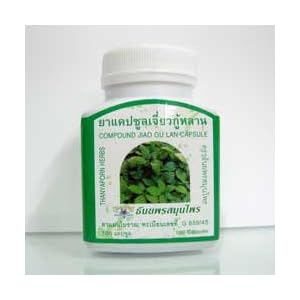
Manufactured : Thanyaporn Herbs
|
|
Size :100 capsules per bottle
|
| Ingredients of each capsule : |
|
Gynostemma pentaphyllum Botanical Extract : 370 mg
|
Antioxidant,Adaptogen,Blood pressure,Cardiovascular functions,Cholesterol reduction,Diabetes ,Adrenal Fatigue ,Bronchitis ,Digestion ,Immune System Support ,Strength and Endurance
Antioxidant : Jiaogulan has been found to increase superoxide dismutase (SOD), which is a powerful endogenous cellular antioxidant. Studies have found it increases the activities of macrophages, T lymphocytes and natural killer cells and that it acts as a tumor inhibitor .Antioxidents are one of the most important factors in preventing degenerative diseases such as cancer, heart disease, liver disease and so on. Jiaogulans saponins called gypenosides have in studies shown to have strong antioxident properties. Clinical studies have shown that Jiaogulan stimulates the body's natural production of the antioxidant enzyme superoxide dismutase (SOD) by as much as 300%.
Reference - Liu, et al (1992). "Therapeutic effect of jiaogulan on leukopenia due to irradiation and chemotherapy". Zhong Guo yi Yao Xue Bao 7 (2): 99.
Adaptogen : Jiaogulan is known as an adaptogen, which is an herb reputed to help the body to maintain optimal homeostasis by balancing endocrine hormones, the immune system, the nervous system, and other biological functions. Its chemical constituents include the triterpenoid saponins gypenosides which are closely structurally related to the ginsenosides from the well-known medicinal plant ginseng.
Most research has been done since the 1960s when the Chinese realized that it might be an inexpensive source of adaptogenic compounds, taking pressure off of the ginseng stock. Adaptogenic effects include regulating blood pressure and the immune system, improving stamina and endurance.Jiaogulan is also believed to be useful in combination with codonopsis for jet lag and altitude sickness. Reference - Bensky, Dan; Andrew Gamble, Steven Clavey, Erich Stöger (September 2004). Chinese Herbal Medicine: Materia Medica, 3rd Edition. Eastland Press. ISBN 978-0939616428. - David Winston; Steven Maimes (2007). Adaptogens: Herbs for Strength, Stamina, and Stress Relief. Healing Arts Press. ISBN 978-1594771583. - Liu SB, Lin R, Hu ZH (February 2005). "Histochemical localization of ginsenosides in Gynostemma pentaphyllum and the content changes of total gypenosides [Chinese]". Shih Yen Sheng Wu Hsueh Pao: Journal of Experimental Biology 38 (1): 54–60.
Blood pressure : The adaptogenic nature of gypenosides have been found lower hypertension and raise hypotension, keeping blood pressure in a normal range. Laboratory tests demonstrate that jiaogulan stimulates the release of nitric oxide, causing blood vessels to relax; this is one proposed mechanism by which jiaogulan reduces high blood pressure. In a double-blind study, gypenosides administered to with Grade II hypertension showed 82% effectiveness in reducing hypertension, compared to 46% for ginseng and 93% for Indapamide (a hypertension medication). Reference - Tanner MA, Bu X, Steimle JA, Myers PR (1999-10-03). "The direct release of nitric oxide by gypenosides derived from the herb Gynostemma pentaphyllum". Nitric Oxide 3 (5): 359–65. doi:10.1006/niox.1999.0245. PMID 10534439. - Lu, GH et al (1996). "Comparative study on anti-hypertensive effect of Gypenosides, Ginseng and Indapamide in patients with essential hypertension". Guizhou Medical Journal 20: 19–26.
Cardiovascular functions : Animal studies as well as clinical testing on humans suggest that jiaogulan, when combined with other herbs, has beneficial effects on cardiovascular system, increasing heart stroke volume, coronary flow, and cardiac output while reducing the heart rate, without affecting arterial pressure.
Reference - Chen, LF et al (1990). "Comparison between the effects of gypenosieds and ginsegnosides on cardiac function and hemodynamics in dogs". Chinese J Pharmacol Toxicol 4 (1): 17–20. - Zhou, Ning-Ya et al (1993). "Effects of gypenosides-containing tonic on the pulmonary function in exercise workload". Journal of Guiyang Medical College 18 (4): 261.
Cholesterol reduction : Numerous clinical studies in Chinese medical literature have shown that jiagolan lowers serum cholesterol,[18] triglycerides, and LDL (the "bad" cholesterol) while raising HDL ("good" cholesterol) levels, with reported effectiveness rates ranging from 67% to 93%.
Reference - Blumert, p. 42.
Diabetes : Gynostemma pentaphyllum tea has been used in a Randomized Controlled Trial to treat type 2 diabetic patients. It has shown potential as a hypoglycemic treatment to reduce blood glucose
Reference - Hoa NK, Phan DV, Thuan ND, Ostenson CG (April 2009). "Screening of the hypoglycemic effect of eight Vietnamese herbal drugs". Methods & Findings in Experimental & Clinical Pharmacology 31 (3): 165–9. PMID 19536359. - Huyen VT, Phan DV, Thang P, Hoa NK, Ostenson CG (May 2010). "Antidiabetic effect of Gynostemma pentaphyllum tea in randomly assigned type 2 diabetic patients". Hormone & Metabolic Research 42 (5): 353–7. PMID 20213586.
Adrenal Fatigue : Jiaogulan is one of the best adaptogen herbs for helping support proper adrenal gland function. Jiaogulan can have a calming or stimulating action on the nervous system thus is good for those who suffer from anxiety. Often recommended for chronic fatigue syndrome.
Bronchitis : Jiaogulan has been traditionally used as a remedy for bronchitis. In one study, the effectiveness rate of using jiaogulan tea to treat chronic bronchitis was 93%.
Digestion : Jiaogulan hels to improve and strengthen the digestion, it helps an underweight person by assisting the absorption of nutrients. This regulatory effect on bodily functions is the hallmark of an Adaptogen. Can be a good aid to a weight loss program.s
Immune System Support : iaogulan has also demonstrated an ability to support the immune system when under the siege of various destructive agents. Jiaogulan has also shown its effectiveness, in clinical research studies, as a potent immunomodulator. It increases the production of Lymphocytes, Phagocytes, and Serum IGG.
Strength and Endurance : The results of human studies confirm that jiaogulan can enhance the contractility of the heart muscle and heart pumping function. Other studies have shown that the saponins in jiaogulan increase strength and endurance in the body. Considering these findings overall, jiaogulan becomes the perfect herb for anyone who wants to improve his competitive edge in any field of athletic performance.
| The Direct Release of Nitric Oxide by Gypenosides Derived from the Herb Gynostemma pentaphyllum Miles A. Tanner, Xin Bu, J.Alan Steimle, Paul R. Myers Article first published online: 1 MAY 2007 DOI: 10.1562/0031-8655(2002)0750503DOLO Division of Cardiology, Vanderbilt University Medical Center and the Department of Veterans Affairs Hospital, Nashville, Tennessee, 37232-6300 Received 25 March 1999; revised 7 June 1999; Available online 26 March 2002. Abstract Herbal medicines are increasingly being utilized to treat a wide variety of disease processes. Gypenosides are triterpenoid saponins contained in an extract from Gynostemma pentaphyllum and are reported to be effective in the treatment of cardiovascular diseases; however, the mechanism underlying the therapeutic effect is not known. We tested the hypothesis that gypenosides extracted from G. pentaphyllum elicit vasorelaxation through the direct release of endothelium-derived nitric oxide. Nitric oxide production in bovine aortic endothelial cells grown under standard tissue culture conditions was quantitated using a chemiluminescence method. Arterial vasomotion was assayed using isolated porcine coronary artery rings under standard isometric recording conditions. The extract of G. pentaphyllum at 0.1–100 μg/ml elicited concentration-dependent vasorelaxation of porcine coronary rings that was antagonized by the nitric oxide synthase inhibitor NG-nitro-View the MathML source-arginine methyl ester. Indomethacin had no significant effect on G. pentaphyllum-induced relaxation. The G. pentaphyllum extract elicited a concentration-dependent increase in nitric oxide production from cultured bovine aortic endothelial cells. At the concentrations utilized, there was no morphological evidence for cellular toxicity. These results demonstrate that extracts of G. pentaphyllum directly stimulate nitric oxide release, but not prostanoid production. Nitric oxide production in response to gypenosides may be one mechanism whereby this herbal medicine elicits its therapeutic effects. |
| Antidiabetic effect of Gynostemma pentaphyllum tea in randomly assigned type 2 diabetic patients Huyen VT, Phan DV, Thang P, Hoa NK, Ostenson CG. Department of Molecular Medicine & Surgery, Karolinska Institute, Karolinska University Hospital, Stockholm, Sweden. huyen.vu(at)ki.se Abstract The aim of the study was to investigate the antidiabetic effect of the traditional Vietnamese herb Gynostemma pentaphyllum in 24 drug-naïve type 2 diabetic patients. All patients were randomized to authenticated Gynostemma pentaphyllum tea or placebo tea, 6 g daily, during twelve weeks and received information regarding diet and exercise. Fasting plasma glucose, insulin levels, and glycosylated hemoglobin (HbA(1C)) were measured before, during, and after the treatment. Oral glucose tolerance tests were performed every four weeks. After 12-week treatment, fasting plasma glucose levels totally decreased to an extent of 3.0+/-1.8 mmol/l in the Gynostemma pentaphyllum tea group as compared to a decrease of 0.6+/-2.2 mmol/l in the control group (p<0.01). HbA(1C) levels after 12 weeks decreased approximately 2% units in the Gynostemma pentaphyllum group compared to 0.2% unit in the controls (p<0.001). Change in Homeostasis Model Assessment-Insulin Resistance between baseline and twelfth week indicated that insulin resistance decreased significantly in the Gynostemma pentaphyllum group (-2.1+/-3.0) compared with that (+1.1+/-3.3) in the control group (p<0.05). There were no hypoglycemias, or adverse effects regarding kidney and liver parameters or gastrointestinal function. In addition, lipid profiles, glucagon, cortisol levels, body measurements, and blood pressure were not different between the groups. This study shows a prompt improvement of glycemia and insulin sensitivity, and thereby provides a basis for a novel, effective, and safe approach, using Gynostemma pentaphyllum tea, to treat type 2 diabetic patients. Georg Thieme Verlag KG Stuttgart-New York. |
|