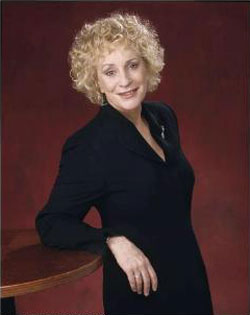
Philippa Gregory?? "he queen of royal fiction??"
presents the first of a new series set amid the
deadly feuds of England known as the
Wars of the Roses.
Brother turns on brother to win the ultimate prize?? the throne of England?? in this dazzling account of the wars of the Plantagenets. They are the claimants and kings who ruled England before the Tudors?? and now Philippa Gre" brings them to life through the dramatic and intimate stories of the secret players: the indomitable women?? starting with Elizabeth Woodville?? the White Queen.
The White Queen tells the story of a woman of extraordinary beauty and ambition who?? catching the eye of the newly crowned boy king?? marries him in secret and ascends to royalty. While Elizabeth rises to the demands of her exalted position and fights for the success of her family?? her two sons become central figures in a mystery that has confounded historians for centuries: the missing princes in the Tower of London whose fate is still unknown. From her uniquely qualified perspective?? Philippa Gregory explores this most famous unsolved mystery of English history?? informed by impeccable research and framed by her inimitable storytelling skills.
A Conversation with Philippa Gregory
Q: For readers who love your books set in Tudor England what would you like them to know about the Plantagenets and the House of York?
A: I suppose I'd like them to know that here is a family just as fascinating as the Tudors perhaps more so. Certainly they are more complicated more wicked and more passionate--takers of great risk. I think people have been put off this period because it has been so well studied by military historians that it has been regarded as being just about battles. But there is so much more to it than this! The history of the women of the period has been very neglected because of this emphasis on battles and thus the male leaders.
Q: What appealed to you about using Elizabeth Woodville as the main character in a novel? In what ways do you think modern women can identify with Elizabeth?
A: The things I discovered about Elizabeth in the first days of my reading about this period told me at once that she would fascinate me and she has done so. Her background as a descendant of a family who claim to be related to a goddess was enough to have me absolutely enchanted straightaway. It is in the historical record that her mother was widely believed to be a witch and that charge was leveled at Elizabeth also. This is exciting enough but it also indicates that people were afraid of Elizabeth's power and I am interested in powerful women. I think she will fascinate modern women in the same way that many historical women strike a chord: despite so many changes in the world women are still trying to find happiness manage their children seek advantage and avoid the persecution of misogynists. As women of any time we have a lot in common. Despite the amazing advances in the rights of women (and I am so grateful for these myself) the struggle for women's freedom independence and the right to exercise power goes on.
Q: Throughout the novel there are scenes relating the story of the goddess Melusina. Is this based on an actual historical fable or is it something you created for the novel?
A: The fable of Melusina is well known perhaps to everyone in its retelling as the story of the Little Mermaid by Hans Christian Andersen and then in the Disney movie. As I say at the beginning of the novel the legend of Melusina goes far back in time perhaps to the classical legends perhaps even earlier. The fable was studied by Carl Jung; Melusina has been identified as a form of the material of the world--the dark watery element that combines with the sun in the alchemist's chemical wedding. This is a potent myth indeed and I retell the story here in a way that speaks to my characters and to me.
Q: These are not chivalrous times; these are not the times of knights in the dark forest and beautiful ladies in moonlit fountains and promises of love that will be ballads sung forever (page 22) you write in The White Queen. Is there a tendency to romanticize history both for writers and readers? How do you make sure to realistically portray all aspects of the time period you're depicting even the more difficult ones?
A: Yes indeed. These are not chivalrous times. I suspect that no times have ever been chivalrous times. We glamorize the past and we romanticize it; we even look back at our own personal histories and cast a rosy glow or an enhanced dark shadow over our own childhoods. I keep my writing grounded in realism by reading a great deal before I start writing by looking at the record with a critical eye and by being skeptical of grandiose claims. Having said that I too find it hard to resist the charm of Edward or Elizabeth or the marvelous character Jacquetta or any of the other powerful and interesting people who strove for themselves and for their families in these dangerous times. These are not chivalrous or romantic times but they are times of danger--and in such circumstances one sees both the worst and best in people.
Q: What challenges if any did you face when writing about the battle scenes and the military strategy which was often a crucial factor in determining who took the throne? Did you visit any of the places where the battles took place?
A: I became a researcher in military history which is not my natural home! I visited battle sites and I read long and complicated descriptions of battles and the modern speculations. In the end I found myself absolutely intrigued and fascinated by how the battles were lost and won by small events?? even sometimes by luck. The mist at Barnet is a recorded fact?? and it was possible for me to weave it into the story of Elizabeth and her mother as well as to see it as a determining factor on the battlefield. The three suns of Towton were both a real phenomenon and a powerful metaphor for the troops. The history of battles is a central part to the story of the Cousins' War?? and part of my task in this novel and the others in the series was to take this history?? as I take any other?? and make it come alive in the novel.