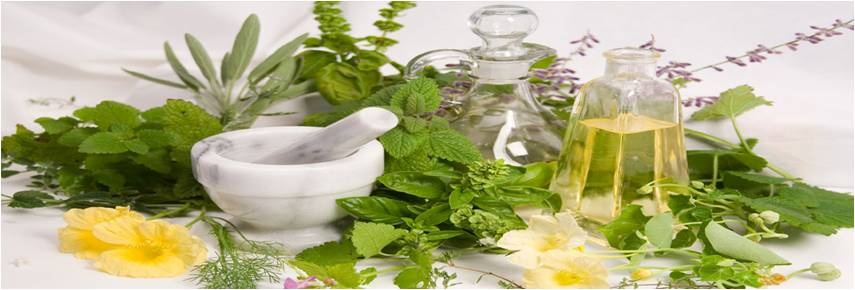
Well3 DiaLife is a combination of 10 natural herbs based on the recommended and prepared as per traditional Ayurvedic formulation from India.
Product Benefits
Increase body’s metabolism
Slows down glucose absorption from the gut
Improves glucose utilization by the cell
Activates pancreas and rejuvenates its inactive and dead cells to produce insulin
Activates liver functions to maintain glucose balance
Protects liver, kidney and other vital organs by its immuno-modulatory action
Product Features
|
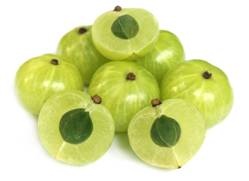
1. Herba Phyllanthus Emblica (Vayastha)
|
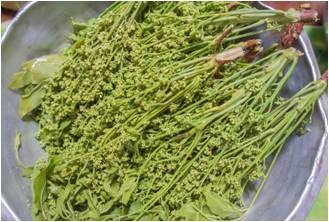
It is a strong, powerful antioxidant which is useful during heomorrhage, diarrhea, dysentery and anti-bacterial. It helps in healing ulcers and has laxative effects on constipation in piles patients. It is also used in treatment of leucorrhea and arthesclerosis. It can also prevents eye complications in diabetes. It works by rejuvenating and stimulating pancreas to produce insulin, thus reducing blood sugar in diabetes. |
|
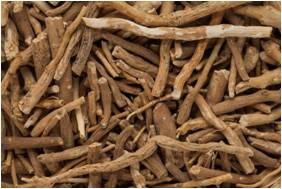
2. Herba Withania Somnifera (Ashwagandha)
|
Popularly known as Indian Ginseng, it gives vitality, vigour and helps in building greater endurance. It has been used to cure diseases such as rheumatism, leprosy and arthritis. It works as adaptogen and promotes body ability to maintain homeostasis. This helps as diabetic patients will usually feel tired and fatique. |
|
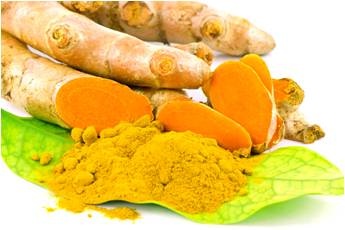
3. Rhizoma Curcuma Longa (Nisha)
|
Curcuma longa or commomly known as turmeric is a rhizomatous herbaceous perennial plant of the ginger family, Zingiberaceae which is native to tropical South Asia. In Ayurvedic medicine, turmeric is thought to have many medicinal properties and many in India use it as a readily available antiseptic for cuts, burns and bruises. Practitioners of Ayurvedic medicine say it has fluoride which is thought to be essential for teeth. It is also used as an antibacterial agent. Presenting their findings at the Endocrine Society’s annual meeting in San Francisco in June 2008, researchers discovered that turmeric-treated mice were less susceptible to developing type 2 diabetes, based on their blood glucose levels, and glucose and insulin tolerance tests. They also discovered that turmeric-fed obese mice showed significantly reduced inflammation in fat tissue and liver compared to controls. They speculate that curcumin in the turmeric lessens insulin resistance and prevents type 2 diabetes in these mouse models by dampening the inflammatory response provoked by obesity. |
|
4. Gymnema Sylvestris
|
Gymnema sylvestre is a herb native to the tropical forests of southern and central India where it has been used as a naturopathic treatment for diabetes for nearly two millennia. Gymnema reduces the taste of sugar when it is placed in the mouth, thus some use it to fight sugar cravings. From extract of the leaves were isolated glycosides known as Gymnemic acids, which exhibit anti-sweet activity. It is currently being used in an all natural medication for diabetes |
|
5. Azadirachta indica (Nimba)
|
Nimba helps in improving the blood circulation by dialating the blood vessels and helps in reducing the need of hypo-glycemic drugs. Its plant is evergreen and grows throughout India diabetes. |
|
6. Eugenia Jambolana
|
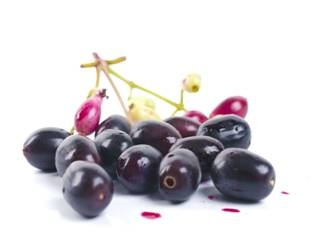
The seeds in the fruit of the Jambol tree which grows in Eastern India contains the active chemical constituents Gallic acid, Oxalic acid, antioxidants, sterols and Ellagic acid. The seeds of the Jambol tree contain the alkaloids jambosine, glycoside and antimellin, which may stop the conversion of starch into sugar. Elements such as zinc, chromium, vanadium, potassium and sodium are also present in the seeds, which have been used in folk medicine and as dietary supplements throughout the world for their anti-hyperglycemic effects. |
|
7. Flos Pterocarpus Marsupium
|
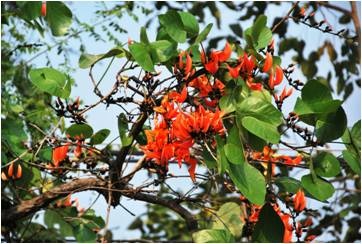
Pterocarpus marsupium (Indian Kino Tree, also known as the Malabar Kino, Benga, Bijiayasal [western Nepal] or Venkai) is a species of Pterocarpus native to India, Nepal, and Sri Lanka, where it occurs in parts of the Western Ghats in the Karnataka-Kerala region. It is a medium to large, deciduous tree and can grow up to 30 metres tall. Parts of the Indian Kino (heart wood, leaves, flowers) have long been used for their medicinal properties in Ayurveda. The heart wood is used as an astringent and in the treatment of inflammation and diabetes. It diminishes the level of sugar in the urine and allays the unquenchable thirst in diabetes. |
|
8. Semen Trigonella
|
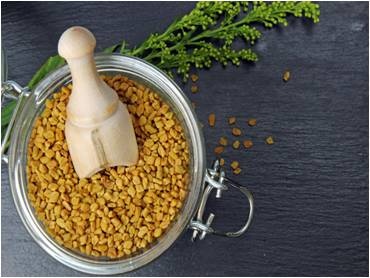
Trigonella foenum or fenugreek is used both as an herb (the leaves) and as a spice (the seed). It is cultivated worldwide as a semi-arid crop. It is frequently used in curry. The seed is reportedly also often used in Ethiopia as a natural herbal medicine in the treatment of diabetes. Supplements of fenugreek seeds were shown to lower serum cholesterol, triglyceride, and low-density lipoprotein in human patients and experimental models of hypercholesterolemia and hypertriglyceridemia. Several human intervention trials demonstrated that the antidiabetic effects of fenugreek seeds ameliorate most metabolic symptoms associated with type-1 and type-2 diabetes in both humans and relevant animal models. |
|
9. Radix Salacia Reticullata
|
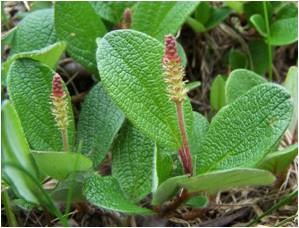
Salix reticulata is a dwarf willow, occurring in the colder parts of Northern Europe, Greenland, North America and Northern Asia. It is equally to be found in Colorado, New Mexico, Oregon, Utah and Wyoming. It grows not taller than 15 cm, forming with its trailing leaves extensive mats on the ground. It is also grown as an ornamental plant in the USA. The roots are bitter, acrid, vulnerary, liver tonic and stomachic. They are useful in conditions of vata, diabetes, leprosy, skin diseases and colic. It was attributed to its intestinal a-glucosidase inhibitory activity. A-Glucosidase inhibitors retard the digestion and hence absorption of carbohydrates in the small intestine that prevents the increase in blood glucose concentration after a carbohydrate load. It shows hepatoprotective effects and also used as liver tonic. It is effective in case of rheumatism, skin diseases and inflammation. |
|
10. Folium Momordica Charantia
|
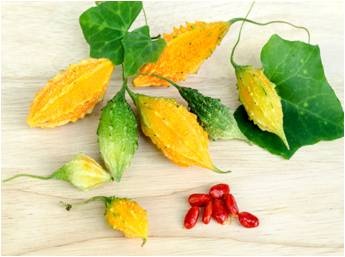
It is also known as bitter melon. The immature fruits are a good source of vitamin C and provide some vitamin A, phosphorous and Iron. It is a very popular plant, momordica charantia has been used by natives Indian for diabetics and many infectious diseases. It is a powerful weapon against Human Immuno-deficiency Virus (HIV) At least three different groups of active constituents in bitter melon have been reported to have blood- sugar lowering actions of potential benefit in diabetes mellitus. These include a mixture of steroidal saponins known as charontin, Insulin like peptides and alkoids. It contains an array of noval and biologically active phytochemicals including triterpines, proteins and steroids, which have demonstrated hypoglycemic properties (blood sugar lowering) or other actions of potential benefit against diabetics mellitus. The fruit also shown the ability to enhance cells uptake of glucose, to promote insulin release and potentiate the effect of Insulin, in other in vivo studies, momordica charantia fruit and /or seed has been to reduce total cholosterol and triglycerides in both the presence and absence of dietary Cholesterol. |
Product Info

|
Indication |
Traditional used for general health; If symptoms persist, please consult doctor. |
|
Ingredients |
Herbal Phyllanthus Emblica; Herbal Withania Somnifera; Rhizoma Curcuma Longa; FoliumGymnema Sylvestris; Semen Azadirachta Indica; Fructus Eugenia Jambolana; Flos Pterocarpus Marsupium; Semen Trigonella Foenum-graecum; Radix Salacia Reticulata; Folium Momordica Charantia |
|
Recommended Intake |
Recommended Intake: Take 1-2 capsules daily & 30 minutes before principal meal |
|
Storage |
Keep in cool dry place & Keep out of reach of children |