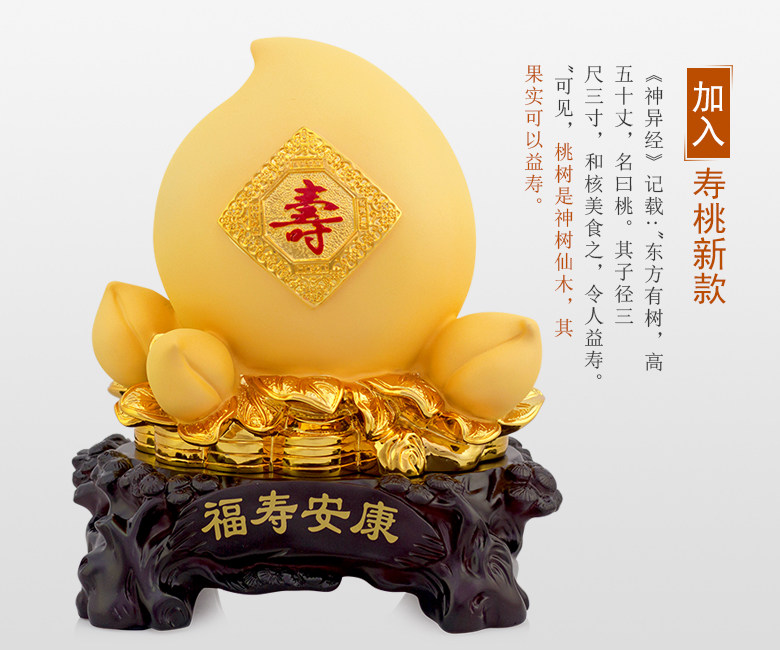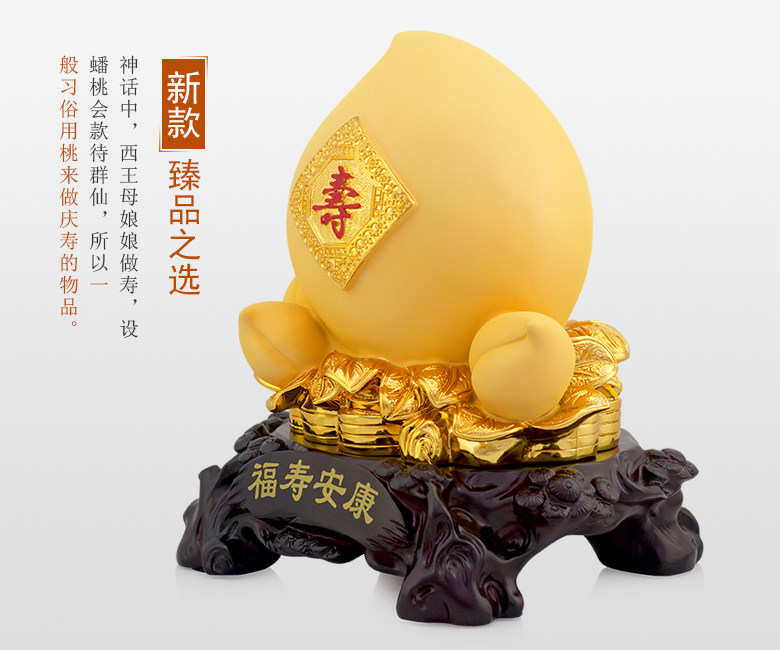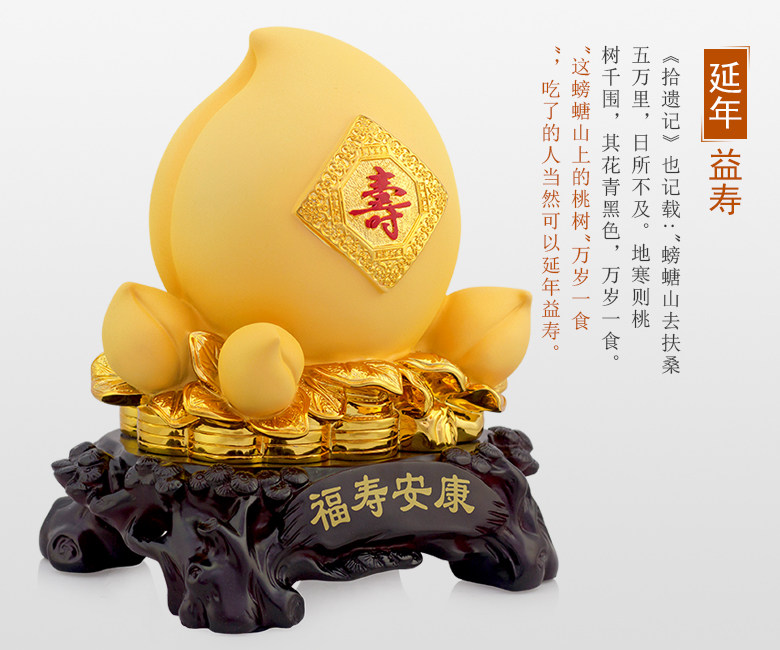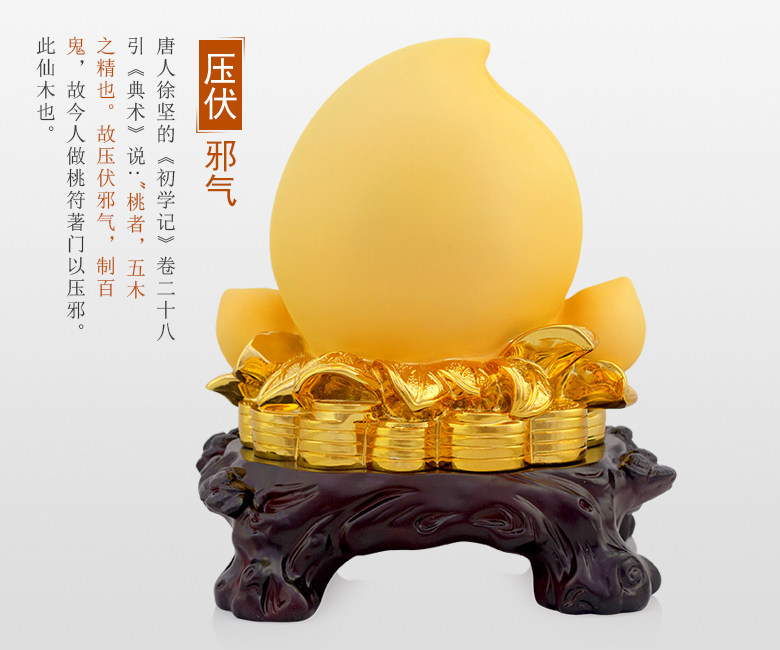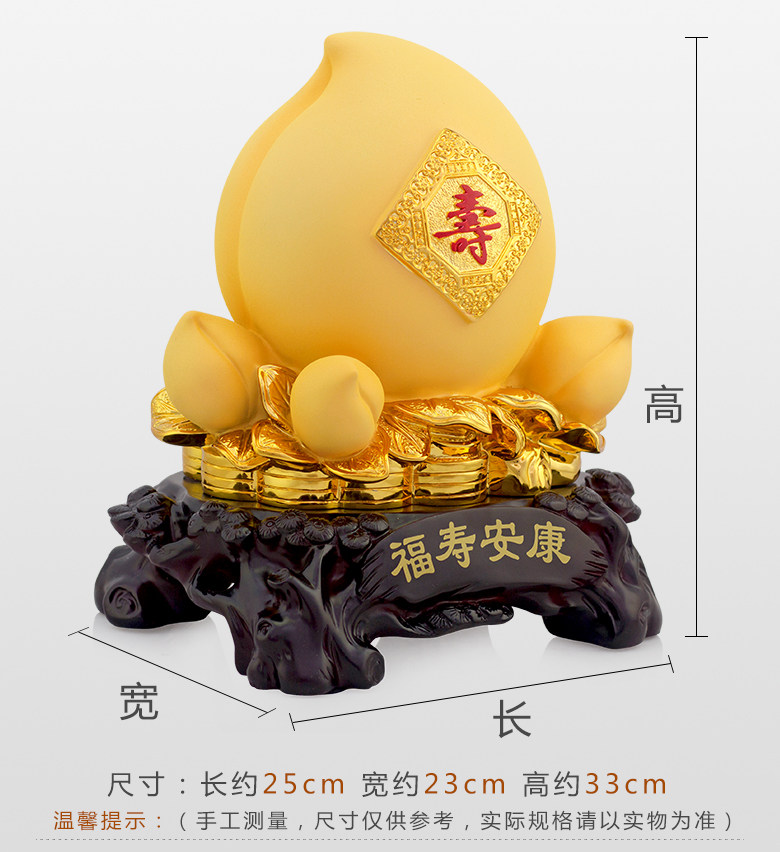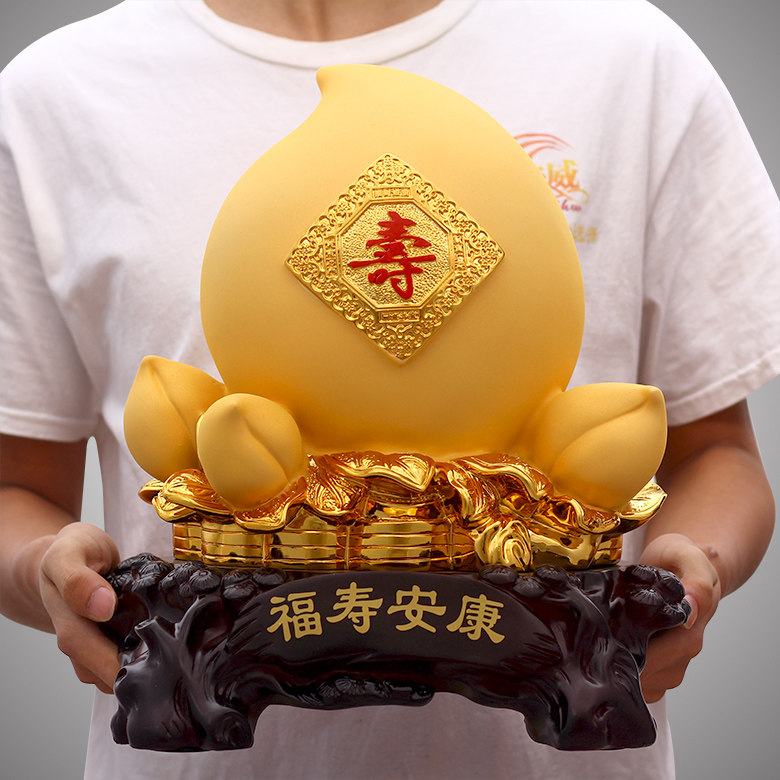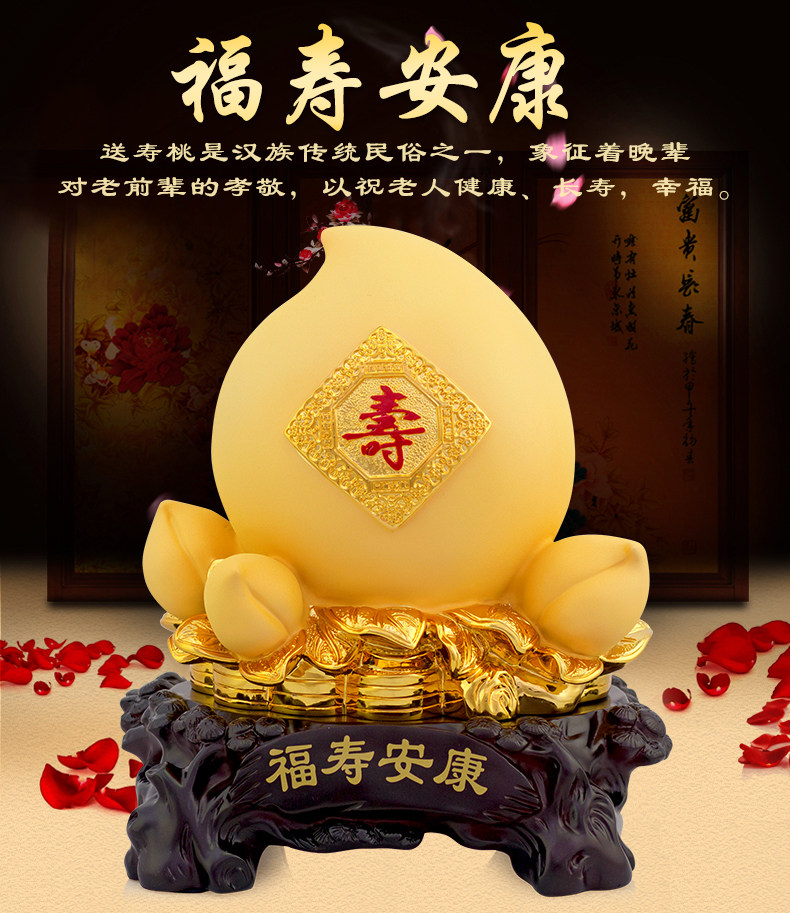
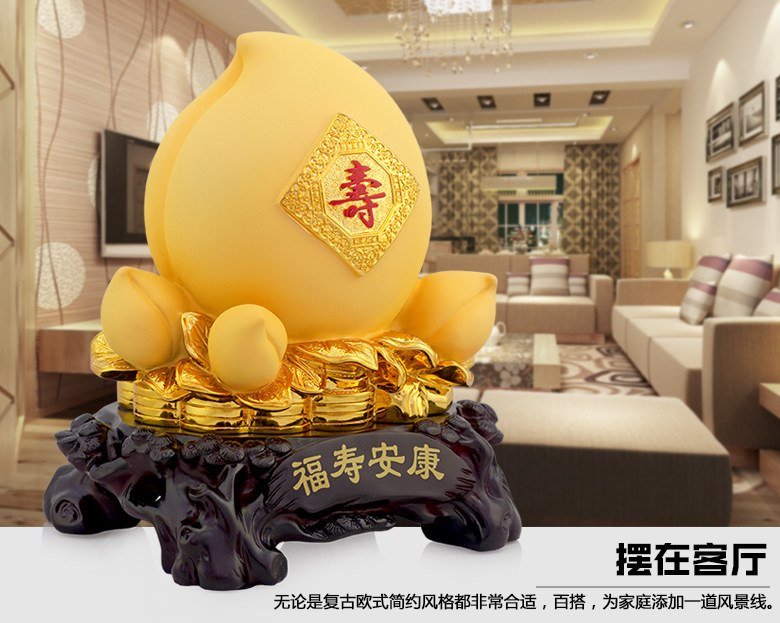
There are many legends from Chinese folklore which associate the Peach with these divine depictions. One of these that Hsih Hwang Mu, the Goddess of the West, had a garden in heaven laden with peach trees of everlasting life, only blossoming every two thousand years. When this happened, the Eight Immortals were invited to the Goddess’ garden for a meal; this is how these eight deities were able to retain their immortality. One of the most well-known stories relating to the Peach is how the Monkey God snuck into the Goddess of the West’s garden and stole her peaches; this is how the Monkey God became both invincible and immortal. In addition to these tales, it is known that Sau, one of the three Star Deities (Fuk Luk Sau) always carries a Peach in his hand.
The Peach is served as a dish on the birthdays of any of the heavenly deities. It is for this reason that this fruit is seen as an immortality granting fruit and a symbol of longevity, believed to provide the beholder with a long and healthy life. Also, the Peach is believed to protect from any accidents or untimely deaths. One can often see steamed buns (longevity peach bun) in the shape of a peach being served during birthday celebrations of Chinese elderly folks.

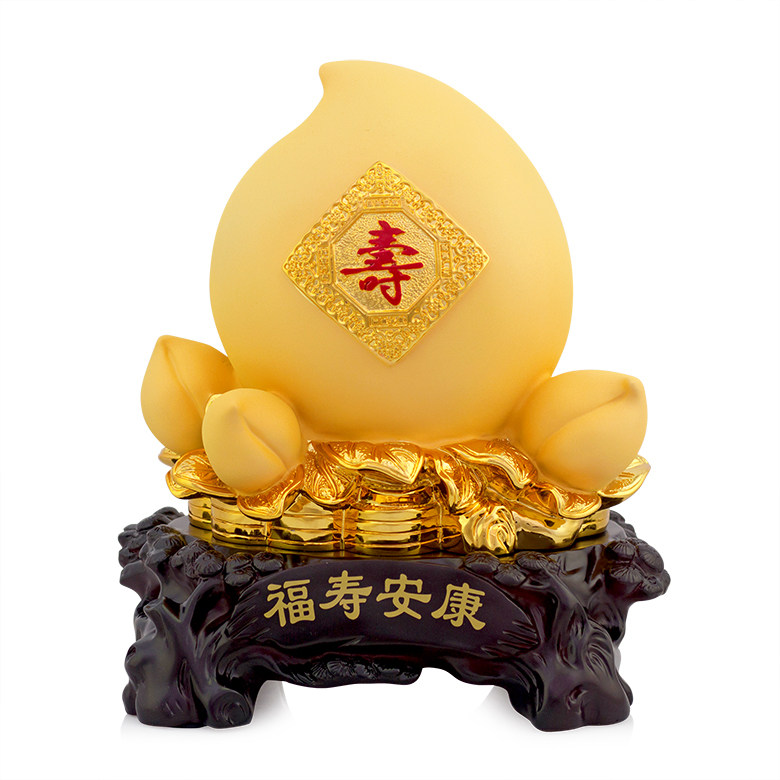


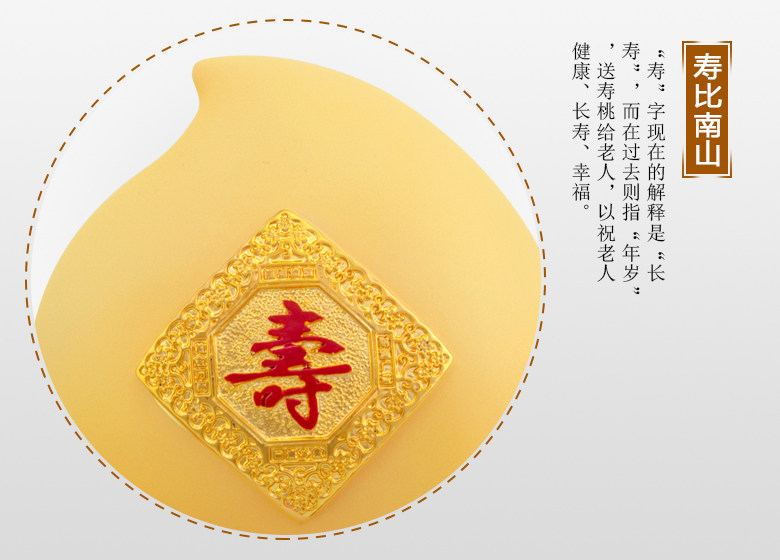
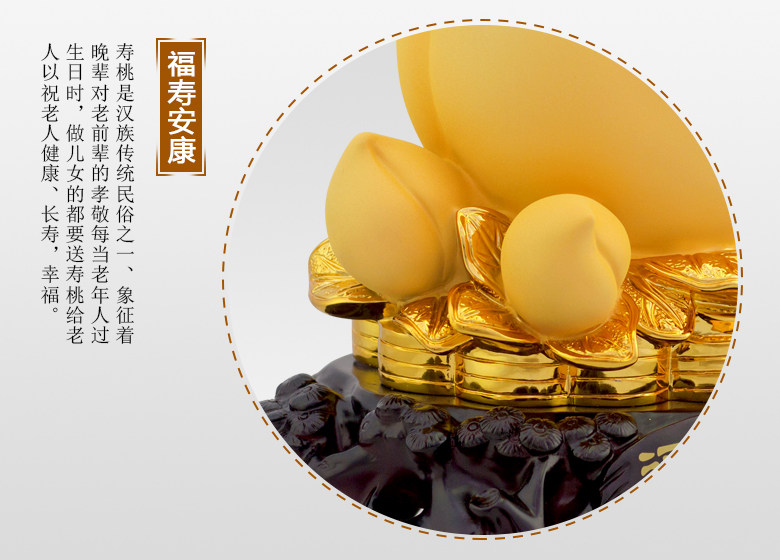
寿桃又称蟠桃,蟠桃,传说乃西王母所种之仙果,食之可延年益寿,身体健康,多福多寿。 送寿桃是中国传统习俗之一,象征着晚辈对老前辈的孝敬,每当老年人过生日时,做儿女的都要送寿桃给老人,以祝老人健康、长寿,幸福。