|
Description
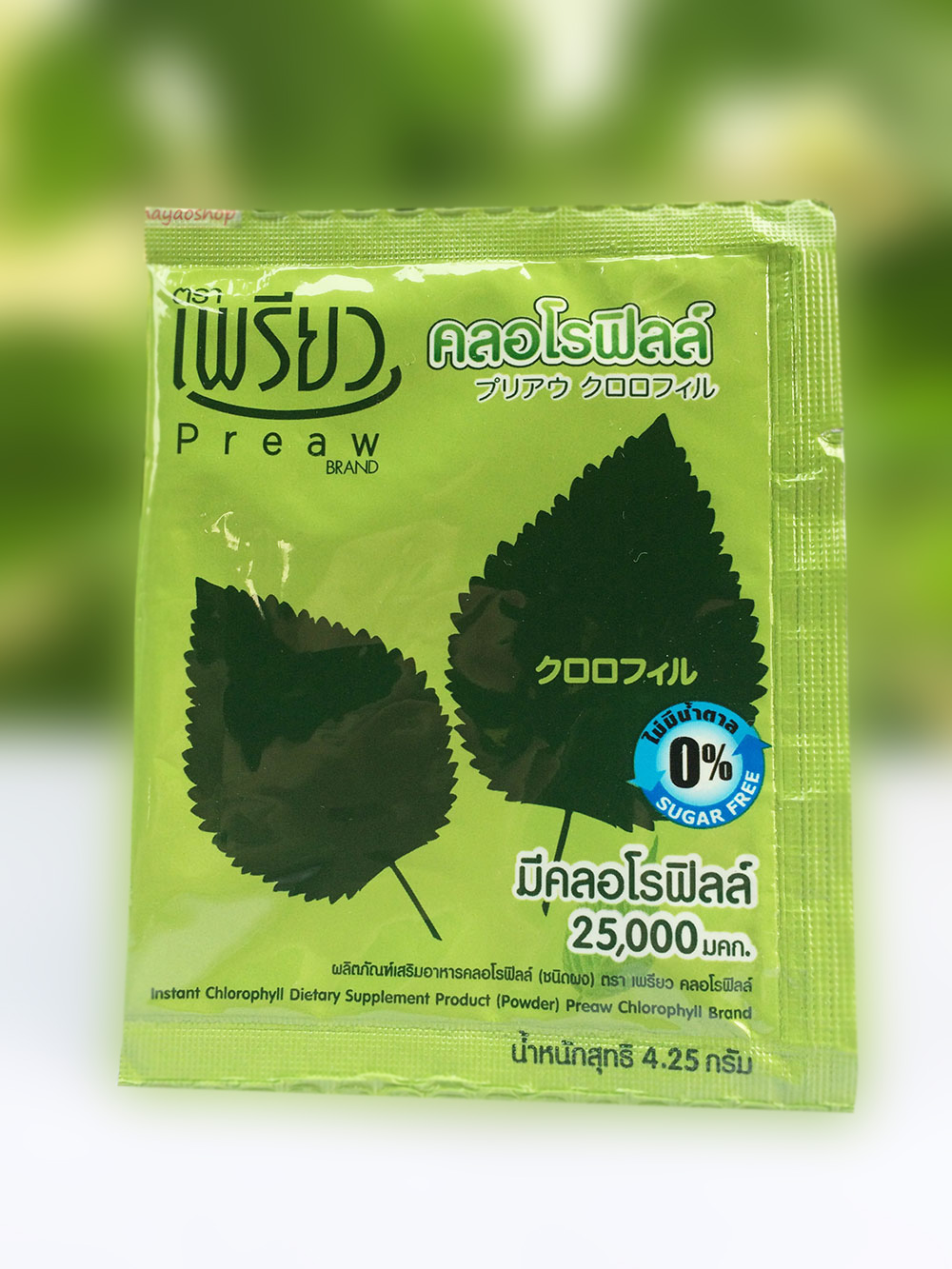
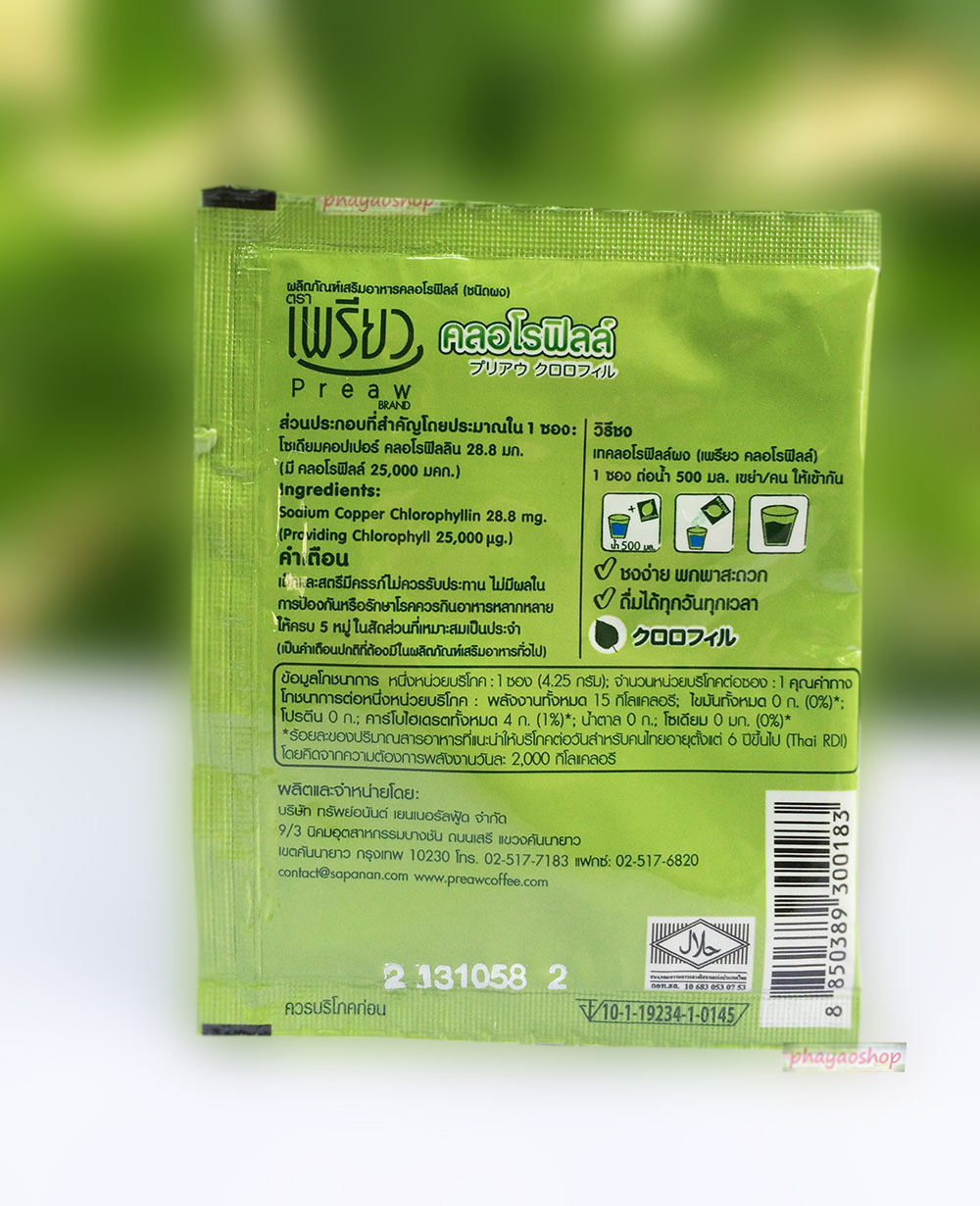
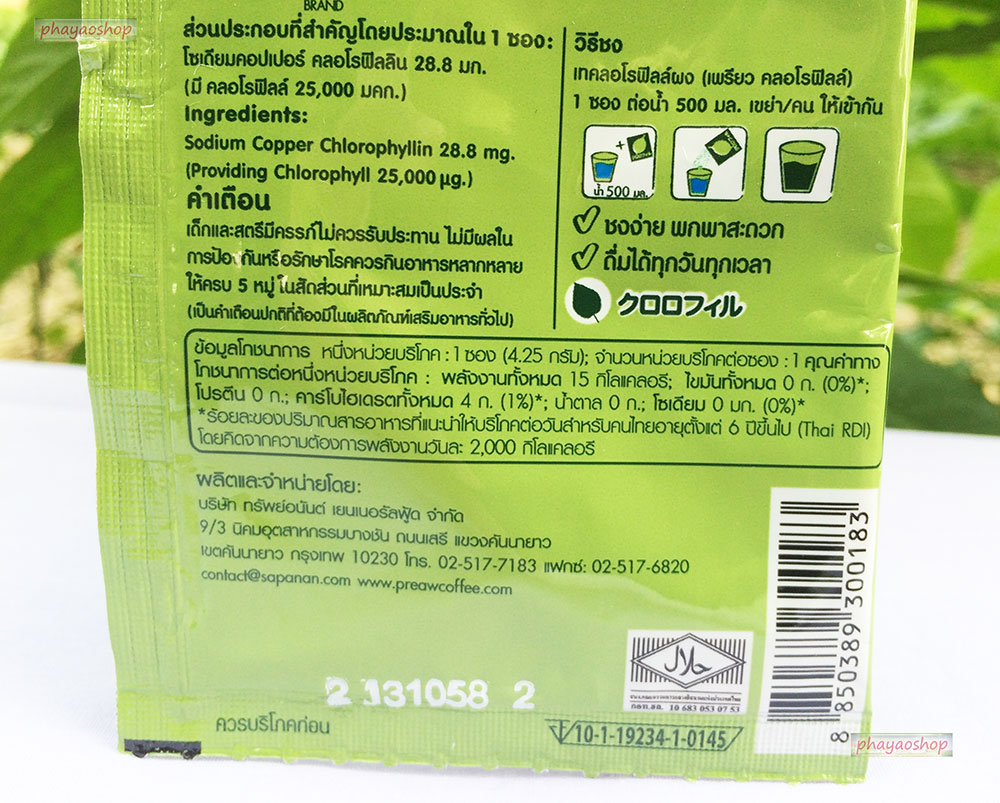
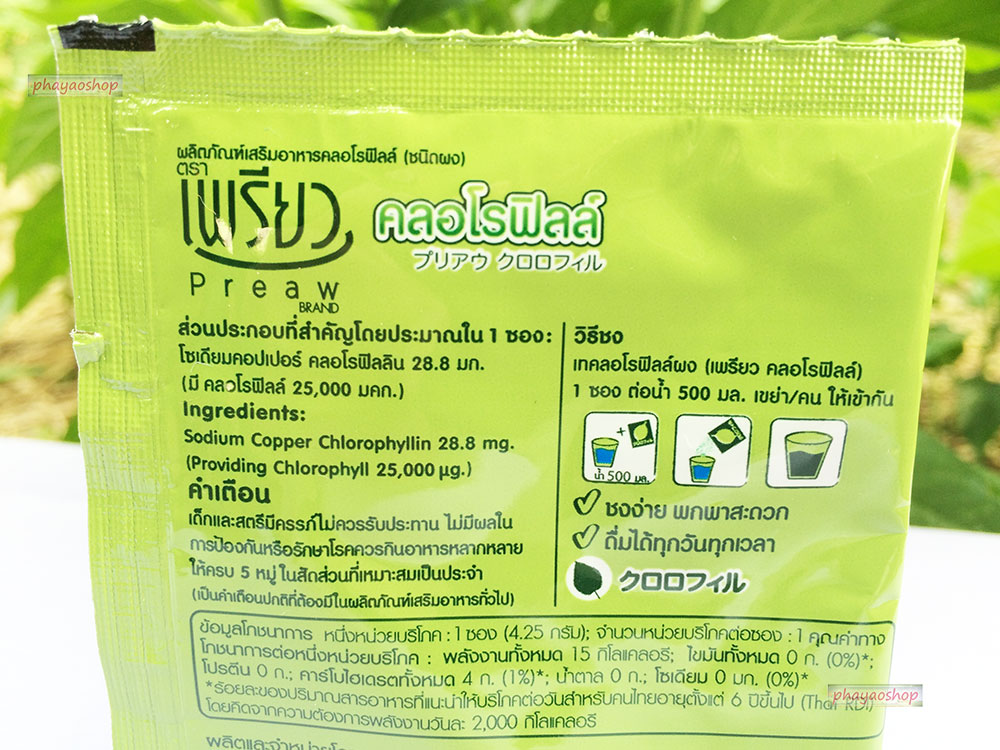
Quality Product For lady & Gentlemen New whitening cream help reduce and fade acne, freckles and dark spots on face, making skin white and glow natural radiance. It also help tighten pores, firm, smooth and protect your face from the sun. Cream is not too thick and stick, can be quickly absorbed into skin. It also can be used as a foundation.
Direction : After cleaned face, apply cream on the face and neck area twice daily (bed time)
The genus Zingiber is native to Southeast Asia, China, the Indian Subcontinent, and New Guinea. It contains the true gingers, plants grown the world over for their medicinal and culinary value. The most well-known is Z. officinale, garden ginger.
|
Indication :After cleaned face, apply cream on the face and neck area twice daily (bed time)
|
|
Manufactured :Baan Chomnad
|
|
Size : 5g
|
|
Condition : Brand new & Never used with a seal pack.
|
|
|

Rhizomes of ginger plants (family Zingiberaceae) have been widely used as spices or condiments (Larsen, Ibrahim, Khaw, & Saw, 1999). Rhizomes are eaten raw or cooked as vegetables and used for flavouring food. Major commercially cultivated species are Zingiber officinale, Curcuma longa, and Alpinia galanga. As traditional medicine, rhizomes of ginger plants are consumed by women during ailment, illness and confinement. Rhizomes are also taken as carminatives for relieving flatulence. Leaves of ginger plants have also been used for food flavouring and in traditional medicine. In Malaysia, leaves of C. longa are used to wrap fish before steaming or baking (Larsen et al., 1999). Leaves of Kaempferia galanga and C. longa are ingredients of curries. Some tribal natives in Malaysia flavour their wild meat and fish dishes with leaves of Elettariopsis slahmong (Lim, 2003).

In Thailand, its leaves are eaten as salad. Despite their repulsive stinkbug odour, leaves of E. slahmong are considered a delicacy. Traditionally, leaves of Elettariopsis latiflora have been used to relieve flatulence, to improve appetite and as an antidote to poisons. In Okinawa, Japan, leaves of Alpinia zerumbet are sold as herbal tea, and are commonly used to flavour noodles and to wrap rice cakes. The hypotensive, diuretic, and anti-ulcerogenic properties of tea from A. zerumbet leaves have been reported (Mpalantinos, de Moura, Parente, & Kuster, 1998). Leaves of Etlingera elatior, mixed with other aromatic herbs, are used by post-partum women for bathing to remove body odour (Ibrahim & Setyowati, 1999). They are also used for cleaning wounds. Leaves of Kaempferia rotunda and K. galanga are eaten fresh or cooked as vegetables, and used as cosmetic powder and as food flavouring agents (Ibrahim, 1999). In Peninsular Malaysia, boiled leaves of Hedychium species are eaten for indigestion (Ibrahim, 2001). Leaves are sometimes eaten with betel nut to ease abdominal pain. In Thailand, boiled leaves of Hedychium coronarium are applied to relieve stiff and sore joints.
Past studies on the antioxidant properties of ginger species were confined to rhizomes (Habsah et al., 2000; Jitoe et al., 1992; Zaeoung, Plubrukarn, & Keawpradub, 2005). Rhizomes of gingers have been reported to have tyrosinase inhibition properties (Lee, Kim, Kim, Heo, & Kim, 1997). Skin-lightening cosmeceutical products were recently developed from rhizomes of gingers (Rozanida, Nurul Izza, Mohd Helme, & Zanariah, 2006). Although leaves of ginger species have been used for food flavouring and in traditional medicine, little research has been done on their antioxidant and tyrosinase inhibition properties. In our present study, phenolic contents and radicalscavenging activities of leaves of 26 ginger species were screened. For 14 species, antioxidant properties of rhizomes were assessed. For eight species, metal ion-chelating abilities of leaves and rhizomes were also compared. Leaves of five species of Etlingera were analysed for tyrosinase inhibition activity. This study represents the most comprehensive study, where antioxidant properties of leaves and rhizomes of ginger species were systematically compared, and tyrosinase inhibition properties of leaves of Etlingera species were analysed.
|