|
Description
High Quality Premium Package
MFIII of Switzerland - VP Softgels Advanced Formula (1 box = 30 capsules) - Anti Aging Placenta Cell Therapy Supplements
 Vegetal-based capsules with a NEW Advanced Formula! A substance that is absorbed more efficiently as also reduce wrinkles as well. The result is an artificial injection MF III VP Softgels is a natural disease. Cells within the body to help restore It has been 15 years, European scientists have been studying. And development of new substance in supplement form, with performance comparable to the "sheep" in which the embryo of the plant was found in MF III of Switzerland in the form of VP Gel cap in the plant will be. a placenta that help feed the tree to grow.
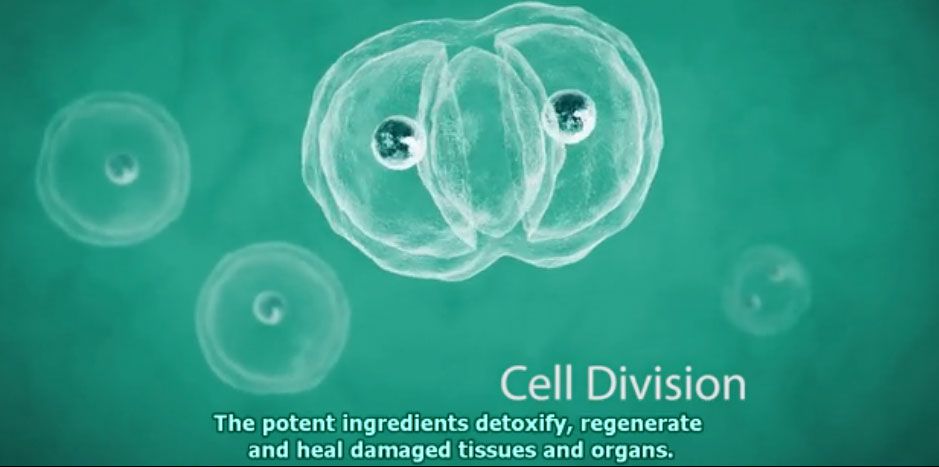
This substance is called Dermacenta or Vegetal Placenta VP will be extracted during the still in the embryonic stage. While the cells are dividing in its natural plant special varieties. Dermacenta in VP Gel cap of MF III supplement to restore than others. It is a process that will stimulate the enzyme. As a result, cells stop functioning at. And effective As well as the placenta of mammals. It serves as a larval food plant. Benefits of MF III is. Reduce the risk of cancer and heart disease. This reduces the concentration of chloride level Sterol. Tri Green Service rye and efficiently. Phytoestrogens the Natural plant can be used as a substitute for therapy. Hormones that are commonly used.
Demacenta relaxes the nervous system, because the function of melanin. We also provide repair system Tissue and organ regeneration And work to help relieve the fatigue. Or tension Quantity: 1 box of 30 tablets taken 1 tablet daily.
MFIII VP Softgels Advanced Formula
MFIII VP Softgels Advanced Formula (Dermacenta*) is another incredible all-natural health and anti-aging innovation brought to you by the world-renowned MFIII of Switzerland. It is a fresh and advanced version of the highly popular and very effective Vegetal Placenta Capsules (VP capsules) product. Like its counterparts in this amazing line of age-defying products, MFIII VP Advanced Formula Softgels are fully researched and developed in Switzerland. This formula is touted as an advanced product because it boasts new cutting-edge ingredients. For overall better health and an invigorated body, mind and spirit, choose MFIII VP Softgels Advanced Formula!
Dermacenta* is extracted from the cell cultures of a particularly rare species of a non-GMO (genetically modified organism) organic plant. Dermacenta is rich in Amino Acids, particularly Alanine and Proline, and is hydrolyzed by enzymes and biostimulins.
Vegetal Placenta: The Case for MFIII VP Softgels Advanced Formula
Choosing Vegetal Placenta (or Dermacenta) does not mean that you will experience fewer benefits than you would with our animal-based products. For certain customers with precise health problems, MFIII VP Softgels Advanced Formula could perhaps be more preferable, as it provides some specific benefits that are unparalleled by any other MFIII product. Indeed, in problems specifically related to skin health, Vegetal Placenta offers better efficacy and results. Vegetal Placenta is also noted to have higher amino acid content and better distribution than our animal-based products.
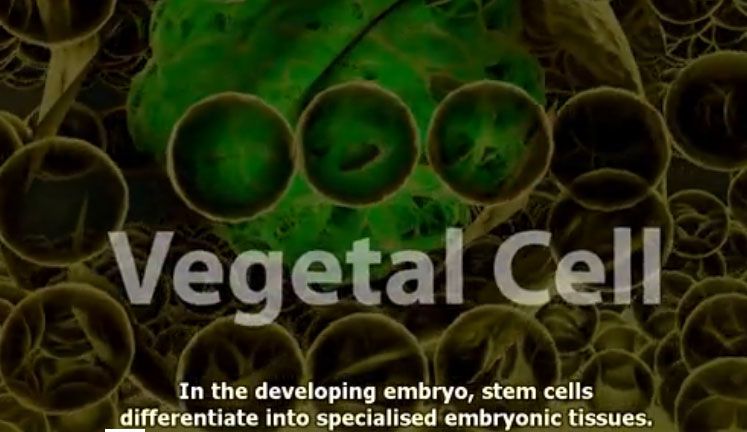
Generally, scientists recognize Vegetal Placenta as a true alternative to Animal Placenta in virtually every way that matters to your personal health, as it works in the same manner to increase cell renewal and cell quality. Like mammals, plants also have embryos. They, too, maintain collections of stem cells to perpetually provide the precursors of more-specialized cells to sustain growth or to replace tissues. Dermacenta is extracted from Vegetal Placenta stem cells and tissues from plants during their early stages of life. These stem cells act as a genuine bio-activator, naturally stimulating growth cells into mimicking the body’s response to aging and skin damage, via a process known as Cell Therapy.

Disclaimer: Results may vary between individuals.
Dermacenta: Description and Additional Benefits
- This is a special, non-GMO (non-genetically modified organism) organic plant from France. - Dermacenta Glycinxida is used because it contains a profound amount of essential amino acids and peptides (protein precursors), as well as some important enzymes and trace elements. Studies show that the availability of essential amino acids (particularly Proline and Alanine) is higher in this plant than in any other. The antioxidant properties of this plant, which inhibit oxidative deterioration of cells, are also extraordinarily high. - Dermacenta bud extract is also rich in peptides, mineral salts and soluble sugars. The long-lasting moisturizers from the mineral salts specifically improve the skin’s ability to retain moisture, assisting in keeping your skin beautiful and supple. - Regenerating and rejuvenating capabilities that are absolutely crucial for the creation and maintenance of invigorated, resilient-looking skin are present.
Vegetal Placenta: Real Scientific Results of VP Cell Therapy
In a physiological scientific study conducted on human volunteers, the cellular turnover rate was measured using the DHA method. This method observes changes in skin color to measure the rate of exfoliation and corneocyte turnover. After using Dermacenta diluted by 50% over the course of 11 days, cellular turnover increased by a minimum of 26%!

Disclaimer: Results may vary between individuals.
*Tests were conducted on a group of healthy, female volunteers with ages ranging from 40-65 years old. They exhibited clear signs of improvement in wrinkle reduction, skin softness, hydration, smoothness and firmness.
The Results of the study indicated:
- A regeneration of the support matrix collagen (Elastin and Collagen).
- A positive improvement of the steviosides on cellular stimulation in the upper layers of the epidermis.
- The synthesis of reservoir molecules - such as glycosaminoglycans (GAG) - retain water and are an important component of Natural Moisturizing Factors (NMF).
New Ingredients: Advancing the Revolutionary
MFIII of Switzerland introduces some phenomenally affective and cutting-edge ingredients with its new MFIII VP Softgels Advanced Formula. These new ingredients boast many highly anti-oxidative and cell-rejuvenating properties that improve the effectiveness and efficiency of legendary MFIII anti-aging products. Below is a short description of these ingredients. For a more thorough explanation,
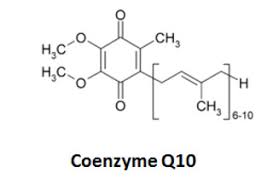 |
- Coenzyme Q10 This is an essential enzyme in the body that diminishes with age. This enzyme is necessary for proper functioning of cells and supplementing it can reduce the risk of disease and rapid aging.
|
|
|
- Lutien Lutien is famous for being a naturally occurring carotenoid that plays a significant role in eye pigmentation. It is employed in this product for its ability to strengthen eye health, help prevent macular degeneration and limit other oxidative stresses on our vision.
|
|
|
- Grape Skin Extract Besides being another profound source of the highly beneficial Resveratrol, Grape Skin Extract was included in this advanced formula because it contains Oligomeric Proanthocyanidins (OPCs), which have substantial positive effects on the integrity of connective tissues and blood vessels.
|
|
|
- Resveratrol This is a powerful antioxidant found in the skins of grapes. It protects against the aging hazards of oxidation, which also improves overall health and wellness, thereby working to extend life.
|
|
|
- Lycopene Lycopene is a nutrient that gives some vegetables their dark pigment. It is another powerful combatant of oxidation and has proven to be such an effective antioxidant that it is essential to include it within any thorough anti-aging program.
|
|
|
- Pomengranate extract This extract possesses ellagic acid, which has profound anti-viral capabilities. It is also another significant protector against oxidation, which thereby facilitates good health and vivacity.
|
|
|
- Alpha Lipoic Acid This is a naturally occurring antioxidant in the body that is capable of benefiting the body as a whole, as it is uniquely both water and fat soluble. Due to this solubility, it is particularly proficient at protecting the brain and nerve tissues from oxidation.
|
 |
- Ascorbic Acid Otherwise known as Vitamin C, there are a plethora of benefits that can be attributed to the consumption of ascorbic acid. In this instance, it is employed to keep us young and healthy through its ability to help improve skin elasticity and strengthen bones and teeth.
|
| |
|

Recommended Dosage
We recommend taking 1 capsule per day, 30 minutes before breakfast (for better absorption). VP capsules are highly effective if taken on an empty stomach, in the morning. We recommend a 6-12 month treatment, in order reach maximum effect. Even after 6-12 months, this product may be taken as an effective vitamin supplement. Note: The effects of this product may be diminished with heavy smoking or drinking.
MFIII Dermacenta™ (vegetal placenta) with stem cell extraction methodology, a substitute to animal & human placenta.
 For more than 20 years, Swiss and European scientists, cell therapists, researchers and bio-technologists have been researching and developing a substitute for animal or human placenta extract in cell therapy form. As a result, in year 2001, the creation of MF Vegetal Placenta was developed with the introduction of MFIII of Switzerland VP. Within the next two years, the formulation of MFIII VP extracts was further enhanced and subsequently manufactured in the form of oral supplements by LABDOM SUISSE INC., with the brand name: MFIII of Switzerland VP Softgel. In Oct, 2009, the latest and most advanced concentrated form of Dermacenta™ was upgraded with biotechnology stem cell extraction methodology from 100% organic vegetal-based origin with the introduction of the new MFIII of Switzerland VP Softgels Advanced Formula (aka VP Plus). For more than 20 years, Swiss and European scientists, cell therapists, researchers and bio-technologists have been researching and developing a substitute for animal or human placenta extract in cell therapy form. As a result, in year 2001, the creation of MF Vegetal Placenta was developed with the introduction of MFIII of Switzerland VP. Within the next two years, the formulation of MFIII VP extracts was further enhanced and subsequently manufactured in the form of oral supplements by LABDOM SUISSE INC., with the brand name: MFIII of Switzerland VP Softgel. In Oct, 2009, the latest and most advanced concentrated form of Dermacenta™ was upgraded with biotechnology stem cell extraction methodology from 100% organic vegetal-based origin with the introduction of the new MFIII of Switzerland VP Softgels Advanced Formula (aka VP Plus).
Dermacenta™ Glycinxida, a Non-GMO (non-genetically modified) plant from France is a special species of soybean where it contains a significant amount of essential amino acids, peptides (protein precursors) and trace elements. The level of sulfur amino acids in soybeans is higher than any other beans. It also has antioxidant properties that inhibit oxidative deterioration of cells. In addition, Dermacenta™ Faguslyvania phyto bud extract is rich in peptides, mineral salts and soluble sugars. These active ingredients release potential regenerating and rejuvenating abilities to create revitalized and resilient-looking skin. The long-lasting moisturizers from its mineral salts (which mend the free water in the epidermis) increase the skin’s ability to retain moisture.
 Dermacenta™ Vegetal Placenta (VP), scientific code 511573, is deemed a scientific substitution for human or animal placenta as it offers better efficacy and results. They are particularly noted to have higher amino acid content and distribution. Extracted from cell culturing of specialized plants, Dermacenta™ is especially rich in amino acid particularly Proline and Alanine. It is hydrolysed by enzymes and bio-stimulins, acting as authentic bio-activator to stimulate growth cells in mimicking the body’s response to ageing and skin damage the natural way. Benefits of vegetal placenta Dermacenta™ Vegetal Placenta (VP), scientific code 511573, is deemed a scientific substitution for human or animal placenta as it offers better efficacy and results. They are particularly noted to have higher amino acid content and distribution. Extracted from cell culturing of specialized plants, Dermacenta™ is especially rich in amino acid particularly Proline and Alanine. It is hydrolysed by enzymes and bio-stimulins, acting as authentic bio-activator to stimulate growth cells in mimicking the body’s response to ageing and skin damage the natural way. Benefits of vegetal placenta
Biochemical research has shown a comparison between vegetal placenta and human placenta in order to prove the bio-analogous composition. Similarity was observed in terms of their amino acid content and distribution.
The following table gives a few of the most important amino acids, in residue per thousand.
| |
Vegetal Placenta |
Human Placenta |
| Proline- hydroxyproline couple + Aspartic acid |
817 |
243 |
| Diamine acids |
128 |
79 |
| Sulphur amino acids |
>13 |
18 |
| Leucine/isoleucine couple |
119 |
68 |
These amino acids are associated with peptides, trace elements, nitrogen and phosphorous compounds and other compounds involved in cell metabolism. It is observed that the VP stem cell extract shows better cell regeneration and rejuvenation results than those of human placenta extract.
Cell life consumes oxygen. The peptides and trace elements are involved in the basic activity of all living cells. These amino acids and peptides function as true bio-stimulators for the skin’s natural development. With the presence of our proprietary Dermacenta™ Vegetal Placenta Stem Cell Extraction Methodology, the cells are stimulated to consume higher levels of oxygen and are notably in a more active state. The high content of proline/hydroxyproline in Dermacenta™, which is an essential amino acid couple, plays a major role in the process of synthesizing collagen resulting in flawless, youthful, moisturized, radiant and firm complexion.
Studies conducted in the Dermatology Department of Croix Rousse Hospital in Lyon, France show visible improvement in dry, scaly and flaky skin due to illness or ageing. Moreover, vivo tests have shown there is an optimum tolerance to vegetal placenta extract. In an internal physiological scientific study conducted on human volunteers, the cellular regeneration was measured by the DHA method: The disappearance of the skin’s sallow complexion allows the measurement of exfoliation rate and corneocytes (hard protective skin cells) turnover. After using the product, diluted at 50%, for 11 days, the cellular regeneration has been increased by a minimum 26%.
MFIII Dermacenta™ stimulates cellular renewal, improves the oxygen supply in our cells and enhances the collagen synthesis in our skin to maintain its radiance and youthfulness. Notably improvement in existing wrinkles, blemishes, acne scars and stretch marks are also observed. The powerful properties also strengthen skin cells against premature photo-ageing and chronological ageing; thus, concluding the ‘perfect’ rejuvenated, revitalized and regenerated skin.
Dermacenta™ is suitable for all skin types and women and men of all ages.
In November 2007, LABDOM SUISSE INC. (No. 676998), a Swiss incorporated company, pioneers in Research & Development specialising indepth in Live Cell Therapy & Placental Therapy, went a step further by introducing an additional Vegetal Placenta in 'Cosmeceutical Form' to complement its existing 'Supplement Form' (VP Softgels) range. This New Cosmeceutical Range researched, developed, manufactured and approved in Switzerland under Swiss GMP stringent standards under the name of MFIII of Switzerland Total Skin Rejuvenation & Revitalisation Program.
MFIII of Switzerland Total Skin Rejuvenation & Revitalisation Program (Vegetal Placenta) or MFIII VP TSRRP, in short, is manufactured according to an exclusive process, using state-of-the art molecular fractionation technology. The process is performed at controlled temperature with sophisticated ultrafiltration units to allow for the selection of specific molecules and to ensure the maintenance of their potency. The manufacturing steps are performed in accordance with the current provisions for Swiss Good Manufacturing Practice (GMP), ensuring a very high quality product. The role of Matrix Metalloproteinases (MMPs) in MFIII of Switzerland VP
 Example of clinical studiesProteins such as collagen, elastin and other are linked with others macromolecules such as glycosaminoglycans to form the extracellular matrix (ECM) components of all solid body tissues. Examples include cartilage, the fibrous sheaths of muscles, tendons and ligaments, and the dermal layer of the skin. The ECM components are in constant renewal, or turnover, a process based on an equilibrium between synthesis and degradation. Example of clinical studiesProteins such as collagen, elastin and other are linked with others macromolecules such as glycosaminoglycans to form the extracellular matrix (ECM) components of all solid body tissues. Examples include cartilage, the fibrous sheaths of muscles, tendons and ligaments, and the dermal layer of the skin. The ECM components are in constant renewal, or turnover, a process based on an equilibrium between synthesis and degradation.
Matrix Metalloproteinase (MMP)
 Collagen fibers are synthesized by cells such as skin fibroblast. In addition to their anabolic activity, chondrocytes and fibroblasts also produce and secrete enzymes known as collagenase or matrix metalloproteinase (MMPs). MMPs represent a special class of enzymes that target and cleave the fibrous proteins of the ECM. Almost paradoxically, chondrocytes and fibroblasts also produce inhibitors of MMPs. These inhibitors are important in restraining the degradative action of MMPs. A balance must therefore exist between these two opposite cellular activities in order to maintain or restore tissues matrix integrity. Collagen fibers are synthesized by cells such as skin fibroblast. In addition to their anabolic activity, chondrocytes and fibroblasts also produce and secrete enzymes known as collagenase or matrix metalloproteinase (MMPs). MMPs represent a special class of enzymes that target and cleave the fibrous proteins of the ECM. Almost paradoxically, chondrocytes and fibroblasts also produce inhibitors of MMPs. These inhibitors are important in restraining the degradative action of MMPs. A balance must therefore exist between these two opposite cellular activities in order to maintain or restore tissues matrix integrity.
In addition to their role in maintaining the integrity of the skin and other tissues, MMPs have also been shown to be involved in angiogenesis.
With ageing and in various conditions, the metabolic activity of cells such as fibroblasts may become disturbed. Such a disturbance may affect the equilibrium between production and breakdown of extra cellular matrice (Murphy and Reynolds, 1993). In these conditions, the balance between MMPs and inhibitor of MMPs is no longer respected, so that, in most cases, the enzymatic activity of MMPs is predominant. Ageing and long term sunlight exposure are all factors associated with an increased enzymatic activity of MMPs (Fisher, 1997). This activity eventually leads to the degradation of the collagen fibre meshwork. Imprinted silicones showing MFIII Total Skin Rejuvenation & Revitalisation Program (Vegetal Placenta) before/after 3 weeks
Biological activities Age-related degradation of the extra-cellular matrix is closely associated with skin wrinkling and sagging. The effects of age-related increase in the activity of MMPs and collagenases is most visible at the level of skin.
In addition, the premature appearance of wrinkles and sagging are linked to long-term sunlight exposure (Fisher, 1997) and cigarette smoking (Kadunce, 1991).
Ageing is a natural inevitable process. However, the damages caused by age-related degeneration of extra-cellular matrix could be modulated if attempts are made to reestablish and maintain the equilibrium between extracellular matrix production and enzymatic activity of MMPs.
MFIII TSRRP (VP) has some whitening properties on Pigmentation
 MFIII Total Skin Rejuvenation & Revitalisation Program (Vegetal Placenta) or MFIII VP is a composition that will work as anti-MMPs, consolidating the ECM and amino acid that will be used to produce new proteins as collagen in the very specific way skin is organised. MFIII Total Skin Rejuvenation & Revitalisation Program (Vegetal Placenta) or MFIII VP is a composition that will work as anti-MMPs, consolidating the ECM and amino acid that will be used to produce new proteins as collagen in the very specific way skin is organised.  Keratinocyte is the major cell type of the epidermis, making up about 90% of epidermal cells. The epidermis is divided into four or five layers (depending on skin type) based on keratinocyte morphology: Keratinocyte is the major cell type of the epidermis, making up about 90% of epidermal cells. The epidermis is divided into four or five layers (depending on skin type) based on keratinocyte morphology:
- Stratum basale (at the junction with the dermis)
- Stratum spinosum
- Stratum granulosum
- Stratum lucidum (only present in thick skin - i.e. palms of hand and soles of feet)
- Stratum corneum
Keratinocytes originate in the basal layer from the division of keratinocyte stem cells. They are pushed up through the layers of the epidermis, undergoing gradual differentiation until they reach the stratum corneum where they form a layer of enucleated, flattened, highly keratinized cells called squamous cells. This layer forms an effective barrier to the entry of foreign matter and infectious agents into the body and minimises moisture loss. Keratinocytes are shed and replaced continuously from the stratum corneum. The time of transit from basal layer to shedding is approximately one month although this can be accelerated in conditions of keratinocyte hyperproliferation such as psoriasis.
 The stratum corneum ("the horny layer") is the outermost layer of the epidermis (the outermost layer of the skin). It is composed mainly of dead cells that lack nuclei. As these dead cells slough off, they are continuously replaced by new cells from the stratum germinativum (basale). In the human forearm, for example, about 1300 cells/cm2/hr are shed and commonly accumulate as house dust. Cells of the stratum corneum contain keratin, a protein that helps keep the skin hydrated by preventing moisture evaporation. In addition, these cells can also absorb moisture, further aiding in hydration and explaining why humans and other animals experience wrinkling of the skin. The stratum corneum ("the horny layer") is the outermost layer of the epidermis (the outermost layer of the skin). It is composed mainly of dead cells that lack nuclei. As these dead cells slough off, they are continuously replaced by new cells from the stratum germinativum (basale). In the human forearm, for example, about 1300 cells/cm2/hr are shed and commonly accumulate as house dust. Cells of the stratum corneum contain keratin, a protein that helps keep the skin hydrated by preventing moisture evaporation. In addition, these cells can also absorb moisture, further aiding in hydration and explaining why humans and other animals experience wrinkling of the skin.
The stratum lucidum (Latin for "clear layer") is a thin, clear layer of skin cells in the epidermis, and is named for its translucent appearance under a microscope. The keratinocytes of the stratum lucidum do not feature distinct boundaries and are filled with eleidin, an intermediate form of keratin.
The stratum granulosum. This layer typically contains 1 to 3 rows of squamous cells with many small basophilic granules in their cytoplasm. These Keratohyalin granules are a step in the synthesis of the waterproofing protein keratin, and contain large amounts of filaggrin. This is the highest layer in the epidermis where living cells are found, the stratum lucidum above appears clear due to auto-digestion of cellular organelles. This layer also includes lamellar granules and tonofibrils.
In the skin, the stratum spinosum is a multi-layered arrangement of cuboidal cells that sits beneath the stratum granulosum. Adjacent cells are joined by desmosomes giving them the spiny appearance from which their name is derived. Their nuclei are often darkened, which is an early sign of cell death. Their fate is sealed because the nutrients and oxygen in interstitial fluid have become exhausted before the fluid is able to reach them by diffusion. Cells of the stratum spinosum actively synthesize intermediate filaments called cytokeratins which are composed of keratin. These intermediate filaments are anchored to the desmosomes joining adjacent cells to provide structural support, helping the skin resist abrasion.
Stratum germinativum (also stratum basale or basal cell layer) is the layer of keratinocytes that lies at the base of the epidermis immediately above the dermis. It consists of a single layer of tall, simple columnar epithelial cells lying on a basement membrane. These cells undergo rapid cell division, mitosis to replenish the regular loss of skin by shedding from the surface. About 25% of the cells are melanocytes, which produce melanin which provides pigmentation for skin and hair.
Under this epiderm, is the derm: The dermis is a layer of skin beneath the epidermidis that consists of connective tissue and cushions the body from stress and strain. The dermis is tightly connected to the epidermis by a basement membrane. It also harbors many nerve endings that provide the sense of touch and heat. It particularly contains more blood vessels. The dermis is structurally divided into two areas: a superficial area adjacent to the epidermis, called the papillary region, and a deep thicker area known as the reticular region, which receives its name from the dense concentration of collagenous, elastic, and reticular fibers that weave throughout it. These protein fibers give the dermis its properties of strength, extensibility, and elasticity. For example, tattoo ink is injected into the dermis; stretch marks from pregnancy are also located in the dermis. ECM (Extra Cellular Matrix)  All thoses cells are weltering in the Extra Cellular Matrix. In biology, extracellular matrix (ECM) is any material part of a tissue that is not part of any cell. Extracellular matrix is the defining feature of connective tissue. All thoses cells are weltering in the Extra Cellular Matrix. In biology, extracellular matrix (ECM) is any material part of a tissue that is not part of any cell. Extracellular matrix is the defining feature of connective tissue.
The ECM's main components are various glycoproteins, proteoglycans and hyaluronic acid. In most animals, the most abundant glycoproteins in the ECM are collagens. In fact, collagen is the most abundant protein in the human body. ECM also contains many other components: proteins such as fibrin, elastin, fibronectins, laminins, and nidogens, and minerals such as blood plasma or serum with secreted free flowing antigens.
In addition it sequesters a wide range of cellular growth factors, and acts as a local depot for them. Changes in physiological conditions can trigger protease activities that cause local release of such depots. This allows the rapid and local activation of cellular functions, without de novo synthesis.
Given this diversity, ECM can serve many functions, such as providing support and anchorage for cells, providing a way of separating the tissues, and regulating intercellular communication. The ECM regulates a cell's dynamic behavior. MMP (Matrix metalloproteinases) MMPs are capable of degrading all kinds of extracellular matrix proteins, but also can process a number of bioactive molecules. MMPs are also thought to play a major role on cell behaviors such as cell proliferation, migration (adhesion/dispersion), differentiation, angiogenesis. They are distinguished from other endopeptidases by their ability to degrade extracellular matrix, and their specific evolutionary DNA Sequence.
|