|
Description
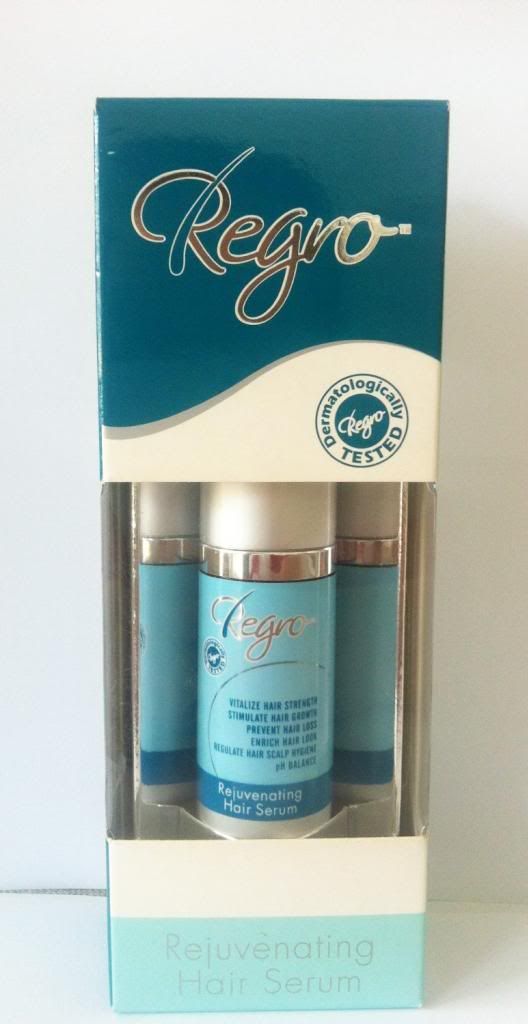
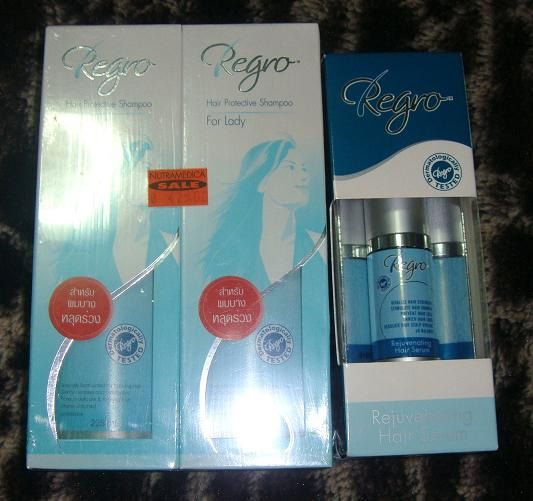
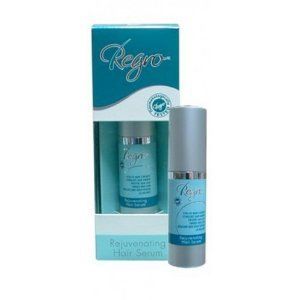
High Quality Premium Package Regro Rejuvenating Hair Serum 15 Ml Intensive Hair Treatment Promote Hair Regrowth Slow Down Hair Loss is A Good Hair Loss Products.
If you are finding for Hair Regrowth Treatments that can help solve the problem of hair loss. We suggest Shampoo, Conditioner and Hair Regrowth Treatment Products that will help keep your hair healthy, no lack of loss.
The main ingredient is Regro-S (Solanum tuberosum L. glycoprotein extract).A substance that accelerates the growth of hair.The results were mixed, then use Regro-S for 90 days.Hair growth rate is up +17.5%.Compared with those who did not use an agrarian growth rate was 18%.Moreover,Horsetail Extract rich with Silica.Which is a major component of hair. It also helps to prevent breakageEnds and make hair shine from the inside out.
Here are some of the recommended on Hair Loss.
Product Features
- Rejuvenating hair serum ( 15 ml )
- Stimulate hair growth/ strengthen hair shaft and follicle
- Slow down excessive hair loss / Help hair growing process
- Moisturize hair and scalp/ balance regulation of seborrhea/ dermatologically tested
An intensive hair treatment for your hair. Scientifically proven combining of natural ingredients in the serum act at the hair follicles and hair shaft. Improve scalp health enhancing better hair nourishment support follicular activity and hair generation. Directions: spray the serum directly on the scalp. Gently massage and leave on. Use regular at least once everyday.
|
Indication :Spray the serum directly on the scalp. Gently massage and leave on. Use regular at least once everyday.
|
|
Manufactured :Regro
|
|
Size : 15ml/bottle
|
|
Condition : Brand new & Never used with a seal pack.
|
|
|
.Causes of hair loss
Most people normally shed 50 to 100 hairs a day. But with about 100,000 hairs in the scalp, this amount of hair loss shouldn't cause noticeable thinning of the scalp hair. As people age, hair tends to gradually thin. Other causes of hair loss include hormonal factors, medical conditions and medications.
Hormonal factors
The most common cause of hair loss is a hereditary condition called male-pattern baldness or female-pattern baldness. In genetically susceptible people, certain sex hormones trigger a particular pattern of permanent hair loss. Most common in men, this type of hair thinning can begin as early as puberty.
Hormonal changes and imbalances can also cause temporary hair loss. This could be due to pregnancy, childbirth, discontinuation of birth control pills or the onset of menopause.
Medical conditions
A variety of medical conditions can cause hair loss, including:
- Thyroid problems. The thyroid gland helps regulate hormone levels in your body. If the gland isn't working properly, hair loss may result.
- Alopecia areata. This disease occurs when the body's immune system attacks hair follicles — causing smooth, roundish patches of hair loss.
- Scalp infections. Infections, suchasringworm, can invade the hair and skin of your scalp, leading to hair loss. Once infections are treated, hair generally grows back.
- Other skin disorders. Diseases that can cause scarring, such as lichen planus and some types of lupus, can result in permanent hair loss where the scars occur.
Medications
Hair loss can be caused by drugs used to treat:
- Cancer
- Arthritis
- Depression
- Heart problems
- High blood pressure
Other causes of hair loss
Hair loss can also result from:
- A physical or emotional shock. Many people experience a general thinning of hair several months after a physical or emotional shock. Examples include sudden or excessive weight loss, a high fever, or a death in the family.
- Hair-pulling disorder. This mental illness causes people to have an irresistible urge to pull out their hair, whether it's from the scalp, their eyebrows or other areas of the body. Hair pulling from the scalp often leaves patchy bald spots on the head.
- Certain hairstyles. Traction hair loss can occur if the hair is pulled too tightly into hairstyles such as pigtails or cornrows
|
How to Prevent Hair Loss
Hair loss has multiple causes, including diet, mineral deficiency, medications, stress, pollution, and your genetics. wearing helmets and caps can also increase hair loss.[1] Up to one third of the population suffers from hair loss, and of that third, thousands are women.[2] Whatever the cause of hair loss that might be worrying you, it's important to understand what is hair loss, how hair grows, and what you could be doing before hair loss even becomes an issue for you. In this article, you'll find out all three answers, as well as some short advice on what to do if hair loss does become an issue for you. Steps
1 Take care of your hair. There are no guarantees that you can prevent hair loss that is genetically programmed or hair loss caused by factors not within your control. However, you can do the best by your hair at all stages to give it the greatest chance of staying in top condition and not leaving your head sooner than it needs to. There are a number of things you can do to take good care of your hair: Don't subject your hair to frequent, constant heating and drying procedures. Heat weakens hair proteins, no matter the gimmicks promising softness and shine, and constant heating and drying can lead to brittleness and fragility that causes hair loss that would not have occurred otherwise.[3] Minimize the usage of hair dryers, hot curlers, hot brushes, hair straighteners, hair fasteners, and chemical treatments and your hair will last longer.[4] And watch where you put those heated tools; burned scalps can permanently damage hair follicles![5] Ultimately, natural drying is best for you hair, so aim to dry it naturally more often than drying it with heat. Slow down on the dyeing. Never color your hair more often than 6 to 8 weeks and try for semi-coverage rather than full dyeing. When it comes to going gray, it's a lot kinder to your hair to let it turn gray than to dye it. While there are a lot of well-meaning comments about not needing to look older than you are, this ageist "beauty before health" slant overlooks the value of having your hair at all! Be careful how you style your hair. Some styles that require tight pulling and elastics, clips, etc. can be a cause of hair loss if done on a daily basis. For example, tight ponytails, braiding tightly, corn-rows, and plaits, can lead to significant hair loss when done daily.[6] Winding hair tightly onto rollers, especially heated rollers, is also liable to cause more hair loss.[7] The medical name for loss of hair due to hairstyles that are too tight is known as "traction alopecia" and it is completely preventable as a cause in and of itself![8] Avoid layering cuts that lose a lot of your hair. If you're already experiencing hair loss, don't speed it up by having the hairdresser remove more hair! 2. Wash hair regularly with mild shampoo and be gentle with your hair. Hair washing can form a part of preventing hair loss as it can keep your hair and scalp clean (preventing the chances of infections, etc. that might cause hair loss), and provided you use a mild shampoo, clean hair will give the impression of more volume than dirty hair, which tends to sit flatter and more parted than clean hair.[9] Avoid brushing wet hair. This snaps off a lot of hair that could still be growing! If you must comb wet hair, use a very wide-toothed comb.[10] Also avoid brushing hair too frequently as doing so can injure hair and increase loss.[11] Use your fingers to undo tangles, not a comb or brush. Avoid rubbing hair vigorously with a towel after washing it. This can also lead to hair breakage. Pat it dry gently instead. Protein-enhanced shampoos and conditioners are an eye-trick, not a hair solution. They make hair smoother and thicker temporarily because they fill in gaps on the hair shaft.[12] However, they do not repair damaged hair, so hair that is going to fall out from poor care or other reasons, will still fall out. Shampoo does not increase hair amount either. When your hair is dried, use a soft-bristled brush to brush it.[13] 3. Get your stress under control. Stress damages all of your body, and your hair is no exception. Loss of hair can be one of your body's primary signals that you're overdoing things and that it's time to pull back. Be sure to get adequate sleep, the restorer of good health. Exercise regularly. Good as a stress reduction strategy, physical activity also encourages better circulation, including for your scalp.[14] 4. Eat your way to top form hair. Nutritional responses to preventing hair loss are simple common sense approaches to keeping you, your hair, and your scalp healthy and are beneficial for your health all round – a healthy body is more likely to have healthy hair than an unhealthy one. It is possible that hair loss can be slowed by a healthy diet filled with vegetables and fruits.[15] The following nutritional requirements that can be sourced adequately from a healthy diet in most cases can be of help with preventing or minimizing hair loss: Iron: This is an essential mineral, known as heme iron in animal food sources and non-heme iron in plant sources. Good sources of iron in your diet include: liver, beef, pork, fish, leafy greens, fortified cereal, beans, and pumpkin seeds.[16] Vegetarian women may experience a lack of enough iron more than other people.[17] Protein: Protein is essential for strong hair, but it's protein from the diet, not from a shampoo, that matters! A deficiency in protein can lead to hair loss and adequate protein can help to provide the amino acids that strengthen hair. Good sources of protein include: Seafood, white-meat poultry, milk, cheese, yogurt, eggs, beans, pork tenderloin, soy, lean beef, and protein bars.[18] Vegans, dairy-free consumers, and others can get good non-animal protein from tempeh, tofu, wholewheat bread, peanut butter, brown rice, lentils, quinoa, nuts, seitan, beans, broccoli, potatoes, etc.[19] Vitamin C: Vitamin C foods help in the good absorption of iron. Try to combine the iron source with a vitamin C source at the same time. Good sources of vitamin C include: Citrus fruit, green leafy vegetables, salad, baked potatoes, tomatoes, etc.[20] Omega-3 fatty acids: These fats keep hair healthy and have a role in preventing hair from becoming dry and brittle.[21] Good sources include: tuna, salmon, mackerel, flaxseeds, and walnuts. Biotin: This is a B vitamin of importance for healthy hair.[22] Good sources of biotin include: brewer's yeast, bulgur wheat, lentils, sunflower seeds, soybeans, and walnuts.[23] Zinc: Zinc is important for hair nourishment too. Good sources include: oysters, lean beef, peanut butter, turkey, and pumpkin seeds.[24]
5 Avoid food or eating habits that can inhibit hair growth or encourage hair loss. There are some things you should not do or eat in order to avoid hurrying hair loss. The following things can harm your hair and bring about hair loss, either temporarily or even permanently depending on your genetic make-up: Avoid very low-calorie liquid diets. As well as depleting your energy in a major way, such diets can cause hair loss.[25] Avoid eating raw egg whites. Not only can these harbor bacteria that can harm you, raw egg whites contain a substance that binds biotin. This prevents its absorption.[26] 6. Consider supplements. Talk with your medical practitioner first but you might like to consider using supplements to prevent hair loss. The types of supplements to inquire about include biotin, inositol, iron, vitamin C, and saw palmetto.[27] The latter, saw palmetto, is a herbal remedy used for prostate enlargement and some experts think it might help stimulate hair growth in men.[28] 7. Test your hair for thinning if you're concerned. Testing whether or not you're suffering from hair loss can be done using what is known as the "tug test". Take a small bunch of hair, about 20-30 hairs, and hold it between your thumb and index finger. Pull slowly but firmly; if more than six hairs come out at the same time, you may have a hair loss problem.[29] However, this is not the last word and you shouldn't panic; instead, you should see a doctor or a trichologist immediately if you think you're losing more hair than normal, remembering that we lose a lot of hairs each day naturally. Your doctor has the ability to take relevant hair tests, such as to test thyroid or iron deficiencies, and to take skin biopsies where relevant. Your doctor will also ask you about any medications you've been taking. 8 Consider treatments if you have hair loss confirmed. While this article is concerned with prevention of hair loss, treatments can be used to arrest hair loss dependent on your background and personal needs and may play a part in hair loss minimization for a time. Your first line of defense is accurate diagnosis, because temporary hair loss usually remedies itself, or can be helped with specific therapy or treatments. For ongoing hair loss, treatments you might like to consider include: Medications. Some medications can slow or even prevent hair loss. For both men and women, Minoxidil (Rogaine) can be used, or for men-only, Finasteride (Propecia) can be obtained through your doctor. Minoxidil is sprayed onto the scalp twice daily and arrests hair loss and may even cause regrowth in a few men.[30] Finasteride is taken as an oral drug. In both cases, it takes about a year to see whether they're effective for you as an individual.[31] Finasteride works in about 60 percent of men who take it.[32] It is strongly recommended you research possible side effects before taking Finasteride. Recent studies have linked Finasteride to potentially irreversible sexual dysfunction.[33] It is not recommended for those trying to conceive a child, as it may impact the fetus negatively.[34] HRT. This may work for some women. However, you need to discuss the ins and outs of taking HRT with your doctor. Ask your doctor about steroid creams, corticosteroids, or PUVA (a light/drug combination therapy) in the case of alopecia areata.[35][36] Irritation can sometimes stimulate hair growth too, such as applying irritating chemicals prescribed by the doctor.[37] Get a hair transplant. Micro-transplants are commonly performed for male-pattern baldness. This consists of small transplants of one or two hairs at a time and it appears very natural. Try hair restoration surgery. This is the transplantation or redistribution of hair. Hair is removed from the dense area of hair and placed into the areas where hair has been lost. Since the follicle goes with it, the grows into old age, goes gray and is permanent. Micro-transplant surgery takes a strip from the back of the head which is then stitched; it heals so that it is virtually unseen and then transplanted. It is also possible to take a scalp section, remove a piece of scalp and tuck it in so that the bald area is removed and the hair-bearing areas are stitched together to do away with the bald patch. This can only work on a small area where there has been a scar though.[38] Hair restoration surgery is usually done on men, not women. Consider laser treatment. Try laser therapy, which may stimulate hair growth by increasing blood flow to hair follicles. Some dermatologists and many hair-loss centers offer in-house sessions, or you can purchase a laser comb or brush that you use at home.[39] Wake Up Dormant Hair follicles. When hair follicles go dormant, you begin to lose your hair. The dormant follicles no longer create hair, so when enough of the follicles in a specific area shut down, your hair will appear thinner. What is a dormant hair follicle? Is it: small tiny hair visible on the scalp but not growing, no visible hair on the skin but existing beneath the skin, hair that is only visible with a microscope. Some technique can activate dormant hair follicles. Watch the news on stem cell or gene therapy with respect to hair loss. Research is ongoing and it's likely a baldness cure will be eventual but for now, it's under research. 9. Understand why hair loss happens. Hair loss (alopecia) occurs mainly on the head but it can also happen on other parts of the body.[40] It can happen at any age and will affect an estimated 30 to 40 percent of any population.[41] It is not always easy to identify the reason behind hair loss in an individual case but the generally known reasons behind hair loss can range from genetics and aging to diseases and stress and poor diet. Even childbirth can trigger hair loss for some women. There are several types of hair loss, as follows:[42] Androgenic alopecia: This is the most common form of hair loss and is also referred to as male-pattern or female-pattern baldness. Hormones and genetics seem to play the main role here. Male-pattern baldness is hereditary, from either side of the family, and can even skip generations.[43] It tends to occur on the crown and at the temples and when these patches join together, the top of the hair is left completely bald. Statistics show that this type of hair loss affects 30 percent of men aged 30, 50 percent of men aged 50, and 70 percent of men aged 70.[44] For women, the hair thins initially on the frontal area and the crown and moves down the sides of the head, while the back of the head remains dense with hair.[45] This is hereditary and tends to affect women mostly after menopause.[46] Toxic alopecia: This type of hair loss seems to occur following physical or emotional stress. Things such as illness, scalp infections, sudden loss of weight, surgery, drugs, and pregnancy/childbirth can cause this type of hair loss. Diseases such as lupus, diabetes, and thyroid disease can bring about such hair loss, as can chemotherapy, heart disease drugs, and radiation therapy.[47] Hair loss that occurs as a result of a mental or physical stress can occur some 2 to 3 months after the event that sparked the stress.[48] Alopecia areata: This is actually a skin disorder which causes hair on the affected skin areas to fall out. It is usually the scalp or beard and is thought to have autoimmune causes. This type of hair loss seems to be most common in young people. The hair usually grows back. Alopecia universalis or totalis: All body hair is lost, from everywhere, including eyebrows and eyelashes.[49] Hair follicles are not destroyed; the inability to grow hair back is psychological and getting hair to grow back again is not easy.[50] Trichotillomania: This is hair loss due to hair pulling, a habit or condition that can be corrected with treatment. Scarring alopecia: This is hair loss that occurs at the site of scars or damaged areas such as burns or skin cancer. 10. Remember how hair grows. It's likely you've already read the statistics on how hair grows but it's worth being reminded. Around 90 percent of your hair is following a two to six year growth phase, while the remaining 10 percent is in a two to three month resting phase. After it rests, it sheds, and we can lose anywhere from 80 to 150 hairs a day, depending on our hair type and genetic background.[51][52][53] As for eyebrow hairs, we tend to keep them for only 10 weeks![54] And the growth rate for hair tends to be about 1 cm (just under 1/2 an inch) per month.[55]
Sources and Citations
- Partial source of article content, Videojug, Hair loss basics, http://www.videojug.com/interview/hair-loss-basics. Shared with permission.
- Partial source of article, Howcast, How to prevent balding, http://www.howcast.com/videos/186175-How-To-Prevent-Balding. Shared with permission.
- ↑ Andrew Jose, Love Your Hair, p. 120, (2002), ISBN 0-00-711900-3
- ↑ Andrew Jose, Love Your Hair, p. 120, (2002), ISBN 0-00-711900-3
- ↑ Dr Margaret Stearn, Embarrassing medical problems, p. 23, (2001), ISBN 1-57826-067-1
- ↑ Winnie Yu, What to eat for what ails you, p. 160, (2007), ISBN 978-1-59233-236-6
- ↑ Dr Margaret Stearn, Embarrassing medical problems, p. 23, (2001), ISBN 1-57826-067-1
- ↑ Dr Margaret Stearn, Embarrassing medical problems, p. 23, (2001), ISBN 1-57826-067-1
- ↑ Dr Margaret Stearn, Embarrassing medical problems, p. 23, (2001), ISBN 1-57826-067-1
- ↑ Andrew Jose, Love Your Hair, p. 122, (2002), ISBN 0-00-711900-3
- ↑ Dr Margaret Stearn, Embarrassing medical problems, p. 25, (2001), ISBN 1-57826-067-1
- ↑ Winnie Yu, What to eat for what ails you, p. 160, (2007), ISBN 978-1-59233-236-6
- ↑ Dr Margaret Stearn, Embarrassing medical problems, p. 23, (2001), ISBN 1-57826-067-1
- ↑ Dr Margaret Stearn, Embarrassing medical problems, p. 23, (2001), ISBN 1-57826-067-1
- ↑ Dr Margaret Stearn, Embarrassing medical problems, p. 26, (2001), ISBN 1-57826-067-1
- ↑ Winnie Yu, What to eat for what ails you, p. 160, (2007), ISBN 978-1-59233-236-6
- ↑ Winnie Yu, What to eat for what ails you, p. 159, (2007), ISBN 978-1-59233-236-6
- ↑ Winnie Yu, What to eat for what ails you, p. 159, (2007), ISBN 978-1-59233-236-6
- ↑ Dr Margaret Stearn, Embarrassing medical problems, p. 32, (2001), ISBN 1-57826-067-1
- ↑ Web MD, http://www.webmd.com/fitness-exercise/guide/good-protein-sources
- ↑ http://www.vrg.org/nutrition/protein.htm
- ↑ http://www.wikihow.com/Eat-More-Vitamin-C
- ↑ Winnie Yu, What to eat for what ails you, p. 159, (2007), ISBN 978-1-59233-236-6
- ↑ Winnie Yu, What to eat for what ails you, p. 159, (2007), ISBN 978-1-59233-236-6
- ↑ Winnie Yu, What to eat for what ails you, p. 159, (2007), ISBN 978-1-59233-236-6
- ↑ http://www.howcast.com/videos/186175-How-To-Prevent-Balding
- ↑ Winnie Yu, What to eat for what ails you, p. 159, (2007), ISBN 978-1-59233-236-6
- ↑ Winnie Yu, What to eat for what ails you, p. 159, (2007), ISBN 978-1-59233-236-6
- ↑ Winnie Yu, What to eat for what ails you, p. 160, (2007), ISBN 978-1-59233-236-6
- ↑ Winnie Yu, What to eat for what ails you, p. 160, (2007), ISBN 978-1-59233-236-6
- ↑ Dr Margaret Stearn, Embarrassing medical problems, p. 22, (2001), ISBN 1-57826-067-1
- ↑ Videojug, Hair loss basics, http://www.videojug.com/interview/hair-loss-basics
- ↑ Videojug, Hair loss basics, http://www.videojug.com/interview/hair-loss-basics
- ↑ Videojug, Hair loss basics, http://www.videojug.com/interview/hair-loss-basics
- ↑ George Washington Today, March 23rd 2011, http://gwtoday.gwu.edu/people/adrugsunintendedconsequences
- ↑ Videojug, Hair loss basics, http://www.videojug.com/interview/hair-loss-basics
- ↑ Andrew Jose, Love Your Hair, p. 122, (2002), ISBN 0-00-711900-3
- ↑ The Merck Manual of Medical Information, Hair Loss, p. 1213, (2003), ISBN 978-0-7434-7733-8
- ↑ The Merck Manual of Medical Information, Hair Loss, p. 1213, (2003), ISBN 978-0-7434-7733-8
- ↑ Videojug, Hair loss basics, http://www.videojug.com/interview/hair-loss-basics
- ↑ http://www.howcast.com/videos/186175-How-To-Prevent-Balding
- ↑ The Merck Manual of Medical Information, Hair Loss, p. 1212, (2003), ISBN 978-0-7434-7733-8
- ↑ Winnie Yu, What to eat for what ails you, p. 158, (2007), ISBN 978-1-59233-236-6
- ↑ The Merck Manual of Medical Information, Hair Loss, p. 1212, (2003), ISBN 978-0-7434-7733-8
- ↑ Videojug, Hair loss basics, http://www.videojug.com/interview/hair-loss-basics
- ↑ Videojug, Hair loss basics, http://www.videojug.com/interview/hair-loss-basics
- ↑ Videojug, Hair loss basics, http://www.videojug.com/interview/hair-loss-basics
- ↑ Videojug, Hair loss basics, http://www.videojug.com/interview/hair-loss-basics
- ↑ Winnie Yu, What to eat for what ails you, p. 158, (2007), ISBN 978-1-59233-236-6
- ↑ Dr Margaret Stearn, Embarrassing medical problems, p. 31, (2001), ISBN 1-57826-067-1
- ↑ Andrew Jose, Love Your Hair, p. 121, (2002), ISBN 0-00-711900-3
- ↑ Dr Margaret Stearn, Embarrassing medical problems, p. 31, (2001), ISBN 1-57826-067-1
- ↑ Andrew Jose, Love Your Hair, p. 120, (2002), ISBN 0-00-711900-3
- ↑ Winnie Yu, What to eat for what ails you, p. 158, (2007), ISBN 978-1-59233-236-6
- ↑ Dr Margaret Stearn, Embarrassing medical problems, p. 21, (2001), ISBN 1-57826-067-1
- ↑ Dr Margaret Stearn, Embarrassing medical problems, p. 21, (2001), ISBN 1-57826-067-1
- ↑ Dr Margaret Stearn, Embarrassing medical problems, p. 21, (2001), ISBN 1-57826-067-1
- ↑ http://www.howcast.com/videos/186175-How-To-Prevent-Balding
- ↑ Winnie Yu, What to eat for what ails you, p. 160, (2007), ISBN 978-1-59233-236-6
- ↑ Andrew Jose, Love Your Hair, p. 122, (2002), ISBN 0-00-711900-3
- ↑ http://www.howcast.com/videos/186175-How-To-Prevent-Balding
- ↑ http://www.howcast.com/videos/186175-How-To-Prevent-Balding
- ↑ http://www.howcast.com/videos/186175-How-To-Prevent-Balding
- ↑ Dr Margaret Stearn, Embarrassing medical problems, p. 25, (2001), ISBN 1-57826-067-1
|