7 Incredible Cashew Nut Benefits: From Heart Health to Gorgeous Hair
7 Incredible Cashew Nut Benefits: From Heart Health to Gorgeous Hair
Simran Kapur | Updated: April 01, 2017 12:34 IST
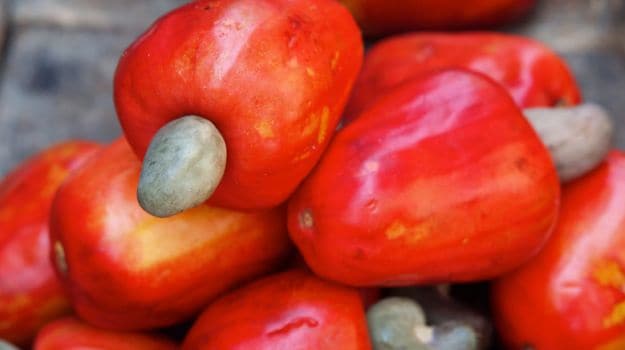
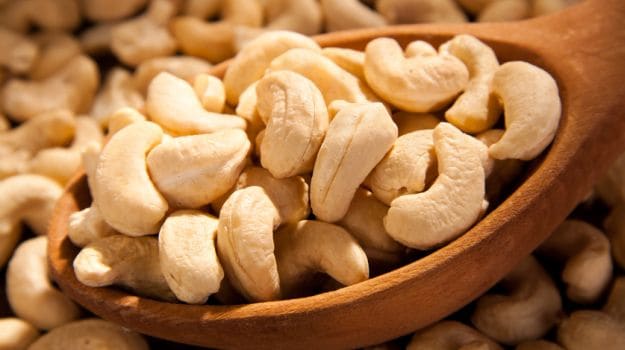 A popular ingredient finding its way into many Indian gravies, cashew - a plant originating from Brazil, is a nut high in minerals. Brought to India by traders, the cashew tree grows up to exceptional heights having a rather irregular trunk. Hanging from the branches are large juicy apples at the bottom of which are attached the cashew nut. Made available round the year, the nut has a great shelf life if stored properly.
The nut and the fruit, both have multiple uses. The nut, often known as the poor man’s plantation although now it is sold for steep prices, is used to make delectable and rich curries and also roasted and eaten dry. Back when nomads had no idea how to consume the fruit, the nut was discarded while the fruit was given more importance. A book written by SP Malhotra, World Edible Nuts Economy, points out, "Natives also knew of many medicinal uses for the apple juice, bark and caustic seed oil that were later exploited by the Europeans.”
Contrary to the popular belief that it can make you gain fat, a considerable amount of cashews in your diet can provide you with many health benefits -
1. Heart Health
The National Centre for Biotechnology Information (NCBI) in its case study points out that nuts are likely to be beneficial for health, keeping a check on various ailments, such as heart disease. Studies consistently show that nut intake has a cholesterol-lowering effect, in the context of healthy diets, and there is emerging evidence of beneficial effects on oxidative stress, inflammation, and vascular reactivity. Cashews help lower LDL and increase the carrying capacity for HDL. HDL is responsible to absorb the cholesterol from the heart and take it to the liver where it can be broken down.
In 2003, the Food and Drug Administration had stated that a fistful of nuts a day as part of a low-fat diet may reduce the risk of heart disease. The heart association recommends four servings of unsalted, unoiled nuts a week and warns against eating too many, since they are dense in calories. Another study, published in the New England Journal of Medicine (NEJM), also establishes a significant association between the consumption of nuts and a lower incidence of death due to heart diseases, cancer and respiratory diseases. The study stated that nutrients in nuts, such as unsaturated fatty acids, protein, fiber, vitamins, minerals and antioxidants may confer heart-protective, anti-carcinogenic and anti-inflammatory properties.

2. Prevents Blood Disease
The consumption of cashews on a regular basis and limited manner may help in avoiding blood diseases. Cashew nuts are rich in copper, which plays an important role in the elimination of free radicals from the body. Copper deficiency can lead to iron deficiencies such as anemia. Hence our diet should contain recommended quantity of copper. And cashew nuts are a good source.

3. Protects the Eye
In the urban environment matched with its excessive pollution, our eyes often suffer from various infections. Cashews contains a powerful antioxidant pigment called Zea Xanthin. This pigment is readily and directly absorbed by our retina, says nutritionist Anju Sood. This then forms a protective layer over our retina which prevents the harmful UV rays . Dr Anshul Jaibahrat Bhatnagar says small quantities of Zea Xanthin helps prevent age related macular degeneration in elderly and hence helps maintain eyehealth.

4. Good for the Skin
Derived from the cashew seeds , “cashew oil does wonders for your skin,” says Gargi Sharma, Manager Weight Management, Aayna. Cashew nut oil is rich in selenium, zinc, magnesium, iron and phosphorous. Also, they are great sources of phytochemicals, proteins and antioxidants. The high percentage of selenium in cashews is not only good for your skin but “helps prevent cancer as well,” says nutritionist Anju Sood.

5. Weight Loss
In comparison to diets excluding the intake of nuts, people consuming nuts on a moderate and regular basis lose weight faster. Based on the evidence from epidemiological and controlled clinical studies, nut consumption is not associated with higher body weight. The study done by the Journal of Nutrition states that the epidemiological evidence indicates consistently that nut consumers have a lower BMI than non-consumers. With respect to clinical studies, the evidence is nearly uniform that their inclusion in the diet leads to little or no weight gain. Moreover, nuts like cashews are “packed with Omega 3 fatty acids that contribute to giving a boost to the metabolic process to burn excess fat,” says Delhi-based nutritionist Shilpa Arora. Nuts are a great snack for those who are looking to lose weight as they are nutritious and tend to keep you full for a longer time. “Nuts should always be eaten raw and unsalted, so they are beneficial for weight loss efforts,” adds Shilpa.

6. Source of Dietary Fibres
According to studies, cashew nuts have a great percentage of dietary fibers. The two essential dietary fibres required by our body are, oleic acid and palmitic acid. “These fibers are not produced by our body hence they need to be consumed externally,” says nutritionist Anju Sood. Cashew nuts are good sources of these fibers. Dietary fibers help digest food better, however excessive consumption may cause bloating and significant intestinal gas production. Consumption of nuts like cashews have been related to decreased incidences of several digestive diseases.
7. Healthy and Shiny Hair
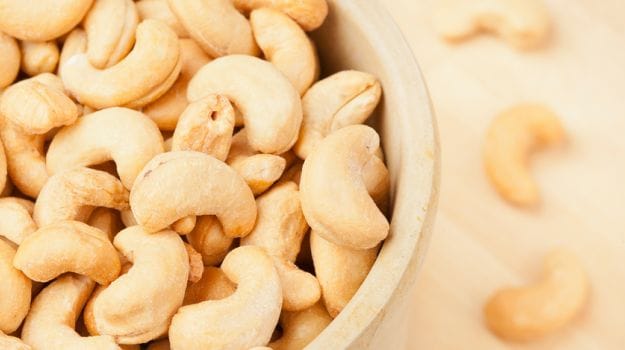
Experts say that the consumption of cashews as well as the application of cashew oil on your scalp ensures healthy hair. “Copper present in cashew nut oil helps in the production of skin and hair pigment called melanin,” says nutritionist Gargi Sharma. It also enhances hair colour and can provide a silky-smooth texture due to the presence of linoleic and oleic acids.