Suitable for KEFIR
Q: Do I need to add molasses, isn’t sugar enough?
A: Molasses contains minerals that promote water kefir grain health and growth. If you want healthy grains that last forever, it’s best to feed them molasses too.
Nutritional Value of Molasses
Molasses contains a number of essential minerals such as calcium, magnesium, manganese, potassium, copper, iron, phosphorous, chromium, cobalt and sodium. It is a good source of energy and carbohydrates and it contains sugars as well. In addition to this, it offers various vitamins such as niacin (vitamin B-3), vitamin B-6, thiamine and riboflavin. It is very low in both fat content and fiber.
Health Benefits of Molasses
Blackstrap molasses is a nourishing sweetener which contains a considerable amount of nutrients that are essential for the functioning of the body, unlike refined white sugar, which only contains simple carbohydrates and other components like aspartame, which is not very healthful for the body.
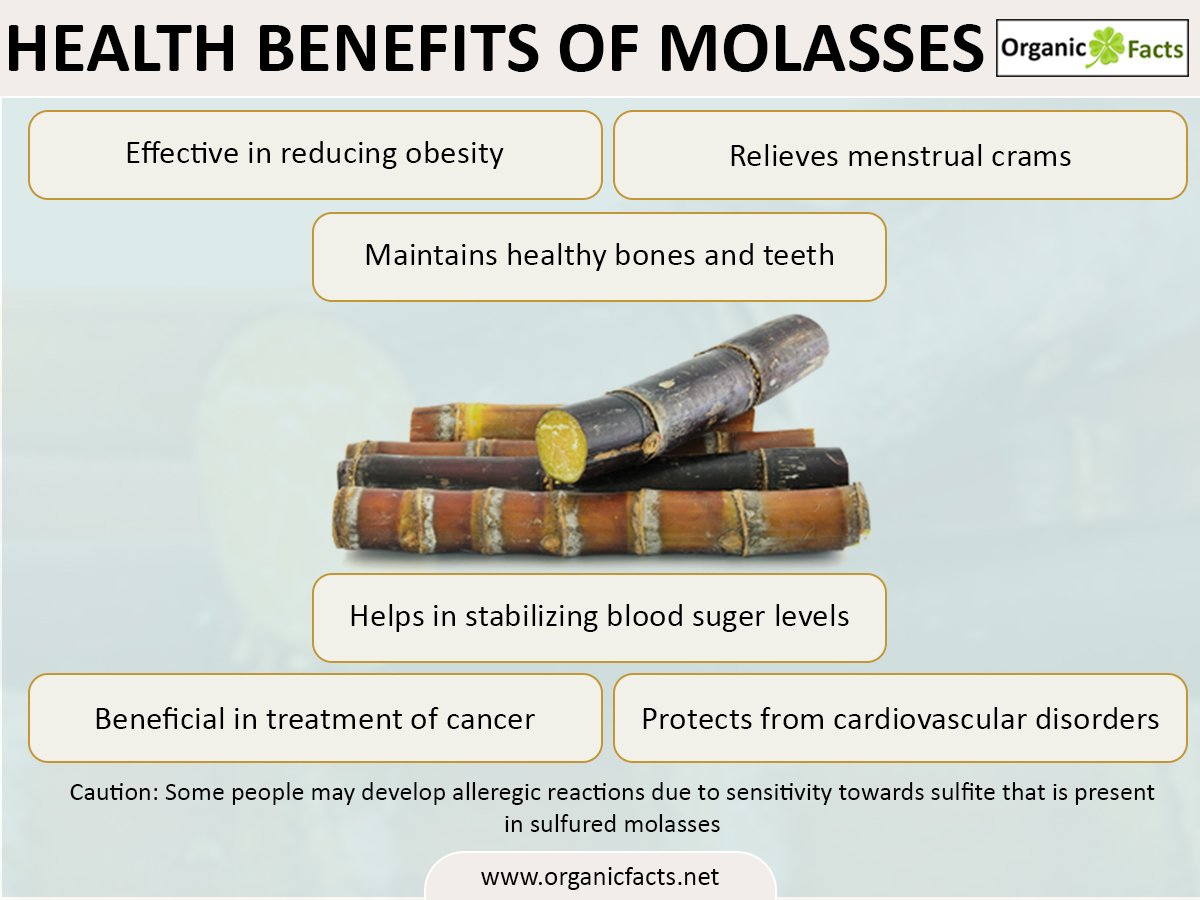
Antioxidant Capacity: Research studies have shown that blackstrap molasses contains the highest amount of antioxidants as compared to refined sugar, corn syrup, raw cane sugar and other readily available sweeteners. These antioxidants protect the body against the oxidative damage associated with cancer, cardiovascular disorders and degenerative diseases. This makes it a much better alternative to refined sugar.
Menstruation: Molasses is a good source of iron and is very effective for menstruating women who are at major risk of iron deficiency due to blood loss. With no fat and very few calories, it is a better alternative for contributing iron content in the body as compared to other fatty sources like red meat. Iron prevents various disorders like menorrhagia which causes excessive blood flow for a longer duration during menstruation. The minerals such as magnesium and calcium that are present in it help to prevent the clotting of blood, relieve menstrual cramps and help in maintaining the health of uterine muscles. It is a healthy alternative, as compared to other medications for menstrual discomfort which might have certain side effects.
Obesity: The polyphenols present in molasses have antioxidant effects which may prove effective in reducing obesity and manage weight gain. In the investigation conducted to assess the impact of molasses on a high-fat diet, it was evident that its extract helps in lowering the body weight and fat content by reducing the absorption of calories in the body.
Better Sexual Health: Blackstrap molasses is rich in the trace mineral manganese, which helps in the healthy production of sex hormones. It also plays a vital role in the functioning of the nervous system, the prevention of blood clots and the production of energy from proteins and carbohydrates. A deficiency of manganese can lead to infertility, general fatigue and weak bones.
Constipation: Molasses has been proven to be valuable in treating constipation. Research studies have shown that routine milk and molasses enemas are as effective as sodium phosphate enemas given in the pediatric emergency department to cure constipation. It is also noteworthy that curing constipation with sodium phosphate requires an additional rectal treatment. However, it is not required after the treatment done with milk and molasses enemas, when consumed orally.
Healthy Bones: Black strap molasses is a good source of calcium, which plays an important role in maintaining bone health, the functioning of enzyme system, the removal of toxins from the colon and cell membrane function. It is also required to maintain healthy teeth and protects the body against bone diseases common during menopause. In addition to healthier bones, the ability of muscular contraction is also attributed to the presence of calcium in the body.
Rheumatism: Molasses has been effectively utilized in the preparation of medication for treating rheumatism and neuralgia. The anti-inflammatory and antioxidant properties of molasses make it a reliable ingredient for curing such disorders.
Diabetes: Blackstrap molasses helps in stabilizing blood sugar levels. It has a low glycemic index and aids in slowing the metabolism of glucose and carbohydrates, which subsequently means less insulin production. This helps in preventing the accumulation of excess fats or lipids in the blood stream. It possesses a substantial amount of the essential trace element of chromium, which is valuable in relation to insulin action and maintenance of glucose tolerance in the body as well. Scientific research has shown that it contains the highest amount of chromium (0.266 mg/kg) as compared to refined white sugar and brown sugar. A deficiency of chromium can result in weak glucose tolerance which can lead to diabetes. This can represent a serious risk for chronic diseases like atherosclerosis, blood cholesterol and other cardiac disorders.
Hypokalemia: Molasses contains the essential mineral potassium, which is required for the proper functioning of cells. It helps in maintaining the acid-base balance of the body and prevents heat exhaustion. Potassium also plays an important role in nerve and muscle contraction and helps to maintain cardiac health. Adequate intake of potassium rich foods like molasses helps to prevent disorder like hypokalemia and reduces blood pressure.
Acne: The health benefits of molasses also include relief from acne. It contains lactic acid, which helps in relieving the symptoms of acne. Lactic acid is produced by lactic acid bacteria, and plays an important role in carbohydrate metabolism. It is effectively used in the preparation of natural, non-toxic and non-allergenic treatments of a physiological nature for curing acne and other skin ailments. Apart from molasses, lactic acid is also present in sour milk, apples and tomato juice.
Healing Touch: Molasses has been used for its wound healing effects in the treatment of wounds and skin burns. It also promotes the healthy growth of tissues. Due to the wide range of essential minerals, it serves very well as a potent healer.
 Red Blood Cells: Molasses is rich in copper, which aids in eradicating the free radicals from the body. It helps in the absorption of iron, the formation of red blood cells and it maintains a healthy immune system. A deficiency of copper can result in anemia, thyroid problems, cardiac arrhythmia and osteoporosis.
Hemoglobin: The iron content in molasses helps to maintain healthy levels of hemoglobin. Hemoglobin plays a key role in supplying oxygen from lungs to other body parts. It is also vital for the production of energy and aids in maintaining a healthy metabolism.
Formation of New Cells: Blackstrap molasses is also sometimes referred to as pregnancy tea, owing to the presence of iron, vitamin B (i.e. folate) and other essential minerals. Consumption during pregnancy also provides calcium, which is required for the growth and development of the baby.
Nervous System: Molasses contains magnesium, which helps in the proper functioning of the nervous system. It keeps our nerves and blood vessels relaxed by balancing calcium volume and blocking it from rushing into the nerves. Unblocked and speedy flows of calcium into the nerves can over activate them and can lead to the transmission of too many signals and excessive nerve contraction. A deficiency of magnesium in the body can lead to hypertension, muscle cramps, spasms and general body fatigue.
Headache and Fatigue: Blackstrap molasses is a good source of various minerals and vitamins such as vitamin B6 and pantothenic acid. The deficiency of these vitamins can cause headaches, asthma, fatigue, and stress. Consumption of molasses would help to provide these required vitamins and minerals and will help in maintaining good overall health.
Cancer: Apart from several vitamins and minerals, blackstrap molasses also contains selenium, which is beneficial in the treatment of cancer.
Hair Care: Molasses extracts are good for hair and they promote healthy hair growth. It softens and conditions the hair, adds a rich texture and prevents it from prematurely graying.
Culinary Use: Molasses is quite popular for its use in baked goods like pies, gingerbread and baked beans. It is also used in the manufacturing of rum, which is one of the reasons that rum is so popular in the areas where sugarcane cultivation and molasses production is in abundance. It is also utilized in providing rich, dark texture and flavor to brown sugar.
Other Uses Molasses
It has been effectively used for animal feeds. It is a source of carbon and is effectively used in horticulture to feed the microbes and boost the microbial activity of the soil. Beet molasses is also used to make fertilizer.
It is a beneficial sweetener that is rich in naturally available micro- and macronutrients.
Some people might develop allergic reactions due to a sensitivity towards the sulfite that is present in sulfured molasses. Unsulfured molasses is free of sulfur dioxide and safe to use in such cases. However, it is always advisable to obtain medical consent before considering it as a therapeutic remedy for various medical conditions.
Add a little sweetness and health to your life with molasses!
What are blackstrap molasses?
Blackstrap molasses is actually a byproduct of another process, the one that turns sugarcane or sugar beets into sugar. While these aren’t the only two substances that are used to make sugar, most of the byproducts from other sugar-production methods are syrup. Blackstrap molasses is unusual due to its viscous nature, and its extremely potent taste. Molasses from beet sugar usually tastes foul, but sugarcane molasses is commonly a sweetening agent in other foods.
Where to buy blackstrap molasses?
You can buy blackstrap molasses in many different grocery, gourmet and natural food stores, since it is widely popular and easy to produce. It has also become a staple of certain food production methods, such as brown sugar. Blackstrap molasses is in local whole food stores around the world, as well as larger big-box stores and national chains, such as Walmart. Herbalists and natural health practitioners should also carry it.
Are molasses healthy?
Molasses are very healthy for you, primarily because of their dense nutritional content. With high levels of minerals and vitamins, molasses can positively affect a number of processes in your body. They can do everything from reduce stress and ease indigestion to increase blood circulation and build stronger bones. A single tablespoon is also high in protein and provides a burst of sugar and carbohydrates.
What does molasses mean?
The word molasses is derived from melaco (in Portuguese), which was in turn a remnant of “mel” in Late Latin, which meant honey. Molasses does resemble honey in many ways, with its thick, viscous appearance, although the color itself is wrong. The addition of “blackstrap” to the front of the word came from America, referencing a more bitter variety of molasses.
What are molasses?
Molasses are the byproducts that can be saved and used following the production of sugar. Molasses are typically thick syrups or treacles, and come in a variety of forms, depending on what substance was used to extract the sugar from. Sugarcane and sugar beets tend to produce thicker molasses, although sugar beet molasses has a strong, foul taste, and is usually not considered palatable for human consumption.
What does molasses taste like?
Most molasses that you’ll come across in the store comes in three varieties – light, dark and blackstrap – all of which come from different foods processed into sugar. Light molasses has a sweet or mild taste, while dark molasses is richer and more full-bodied, almost saccharine at times, which is why it’s used to flavor sweet desserts and dishes. Blackstrap molasses tends to be bitter and unpleasant to eat alone.
How to use molasses?
You can use molasses in any number of ways, but due to the flavor profile, molasses are commonly included in desserts and other sweet treats as a flavoring agent. However, as a natural health remedy, they can be orally consumed (most common), diluted with water as a hair treatment, spread topically on the skin, mixed with tea or coffee, glazed on vegetables, or mixed in a protein-packed power ball!
How much blackstrap molasses should I take?
Since blackstrap molasses is relatively high on the glycemic index, it isn’t recommended to go overboard with your consumption. However, it is generally considered safe to consume 2 tablespoons every morning, if you are trying to make it a regular part of your health regiment. This will deliver about 120 calories, 24 grams of sugar2 grams of protein, as well as significant amounts of important minerals and B vitamins.
Is blackstrap molasses good for you?
Yes, blackstrap molasses can be very good for you, since it delivers such a concentrated dose of minerals and nutrients, without driving your calorie or fat intake through the roof. Blackstrap molasses can be used to improve the health of the skin, the strength of the hair, digestive processes, blood sugar regulation, cholesterol, circulation issues, and even metabolic function!
How to take blackstrap molasses?
Some of the best ways to consume blackstrap molasses would be to blend it into strong coffee, use it in strongly flavored desserts, such as fruitcakes or gingerbread, or just plug your nose and slurp down a tablespoon – your body will thank you!