Dear Amazon.com readers??
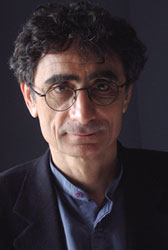
I've written In The Realm of Hungry Ghosts because I see addiction as one of the most misunderstood phenomena in our society. People--including many people who should know better?? such as doctors and policy makers--believe it to be a matter of individual choice or?? at best?? a medical disease. It is both simpler and more complex than that.
Addiction?? or the capacity to become addicted?? is very close to the core of the human experience. That is why almost anything can become addictive?? from seemingly healthy activities such as eating or exercising to abusing drugs intended for healing. The issue is not the external target but our internal relationship to it. Addictions?? for the most part?? develop in a compulsive attempt to ease one??s pain or distress in the world. Given the amount of pain and dissatisfaction that human life engenders?? many of us are driven to find solace in external things. The more" and the earlier in life we suffer?? the more we are prone to become addicted.
The inner city drug addicts I work with are amongst the most abused and rejected people amongst us?? but instead of compassion our society treats them with contempt. Instead of understanding and acceptance?? we give them punishment and moral disapproval. In doing so?? we fail to recognize our own deeply rooted problems and thereby forego an opportunity for healing not only for them?? the extreme addicts?? but also for ourselves as individuals and as a culture.
My book?? in short?? is an attempt to bring light to core issues shrouded in darkness. The many positive responses I??ve received encourage me to believe that I??ve succeeded in making a contribution toward that goal.
Best wishes??
Gabor Mat?
Gabor Mat?: Much of our culture and our economy are based on exploiting peoples sense of emptiness and inadequacy of not being enough as we are. We have the belief that if we do this or acquire that if we achieve this or attain that well be satisfied. This sense of lack and this belief feed many addictive behaviors from shopping to eating to workaholism. In many respects we behave in a driven fashion that differs only in degree from the desperation of the drug addict.
Question: What makes your book so beautiful is its multi-layered personal approach. You dont rely solely on your patients stories but also dig into your personal experience with addiction and the relevance of Buddhas teachings. What were some challenges you faced when writing so frankly about your own addiction and your family?
Gabor Mat?: In a sense my personal issues are not personal at all--just human. Once I understand something?? I want to share it. There is no shame in having flaws--just challenges to keep learning. Many people have told me how much they have appreciated my being open like that--it helps them be open with themselves.
Question: Your book ends on a positive note?? with the idea that brains do have the ability to change and grow in adult life and even to "l themselves. Does this undermine your previous assertion that you don??t expect most of your severely addicted patients to get clean?
Gabor Mat?: No?? there is no contradiction here. The human brain is exquisitely capable of developmen