|
Description
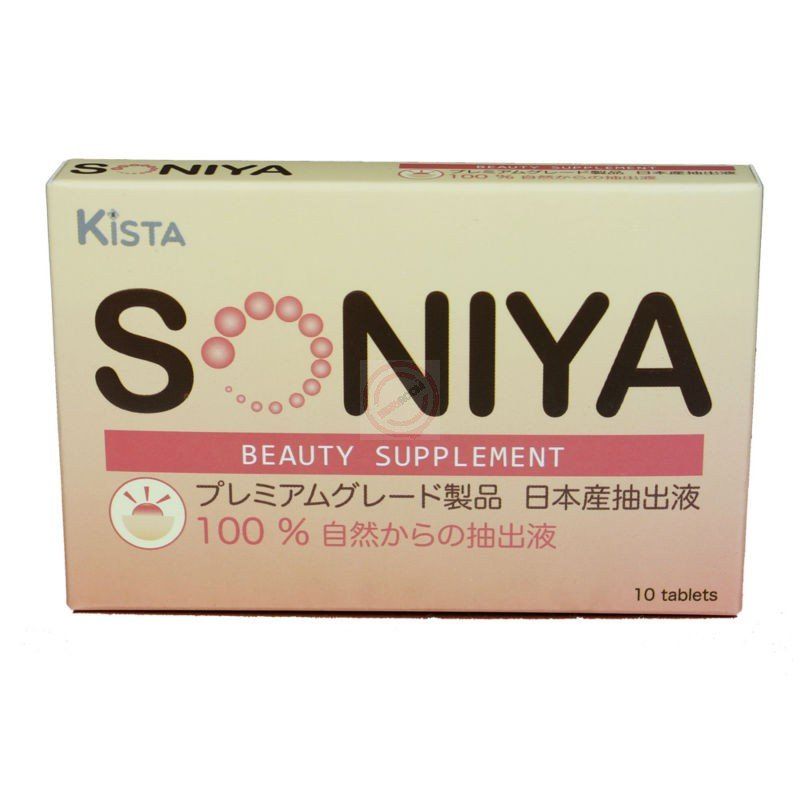
High Quality Premium Package
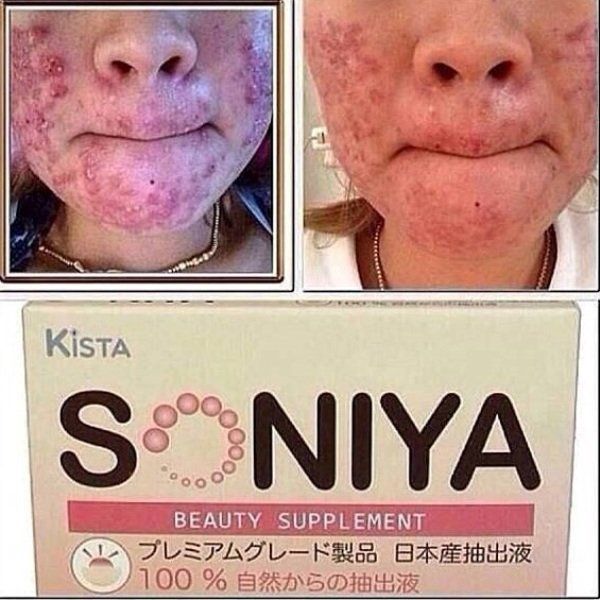
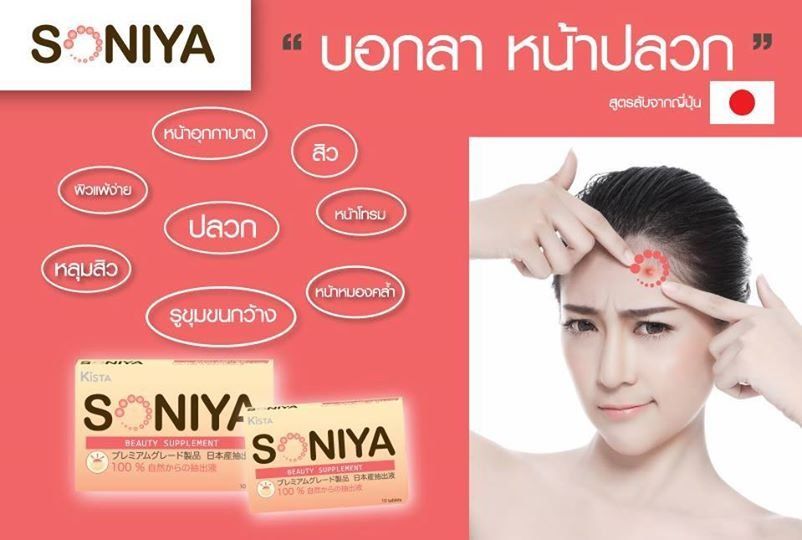
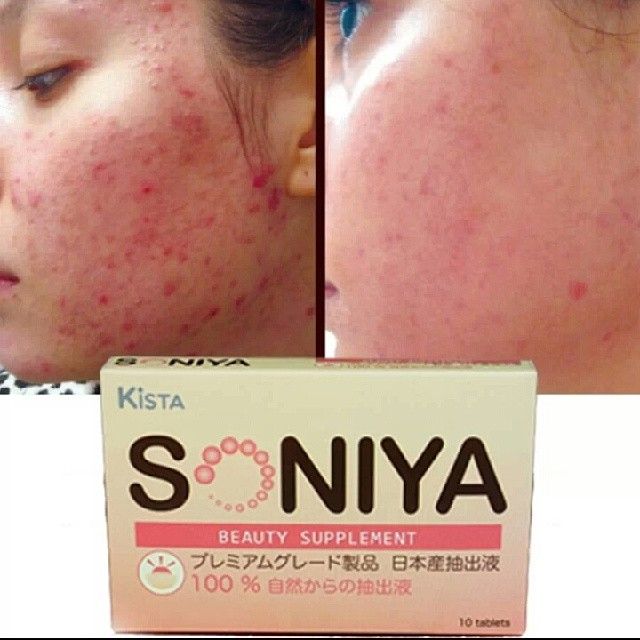
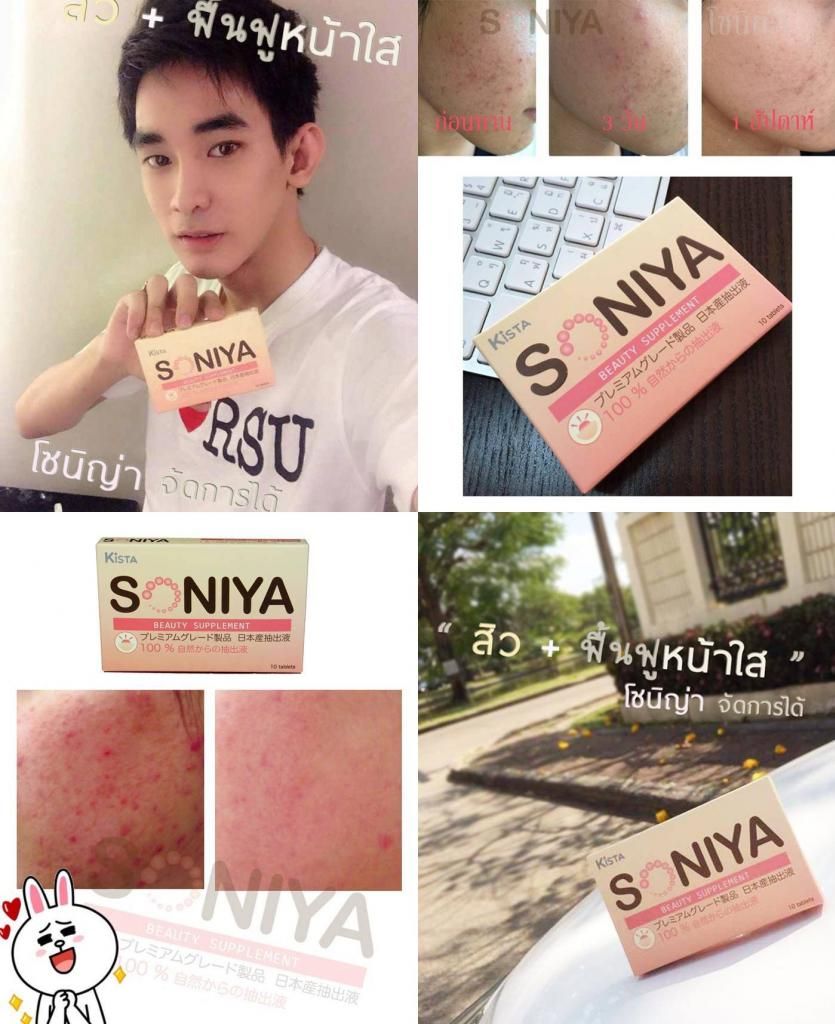
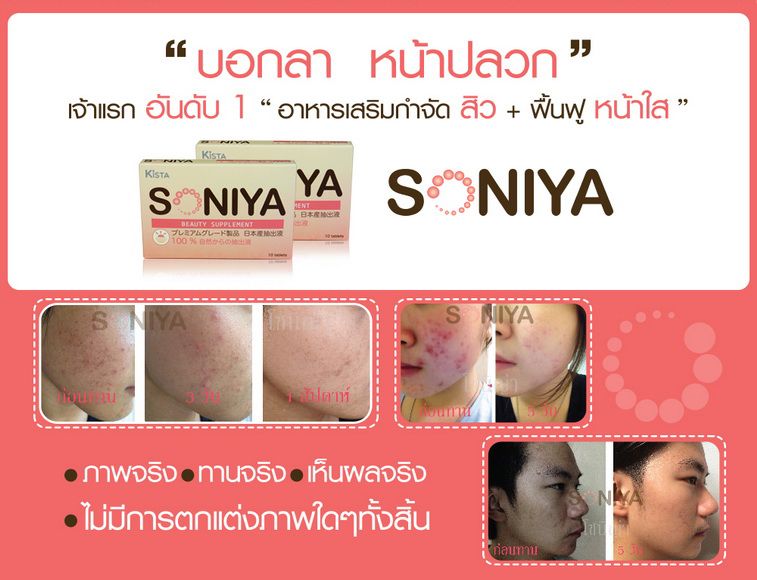
Natural ingredients Registered to Thailand FDA ** Super Anti-Acne + Complements acne + Perfectly tightly skin. reduce redness of acne hyperpigmentation also strengthen skin cells. Ideal for sensitive skin. Help a skin enhancement supplement which can pump up facial skin and give wrinkles less noticeable. 100% natural ingredients imported from Japan.
- 100% natural ingredients
- 1 box of 10 tablets
- How to Soniya: 1-2 tablets daily in the morning on an empty stomach.
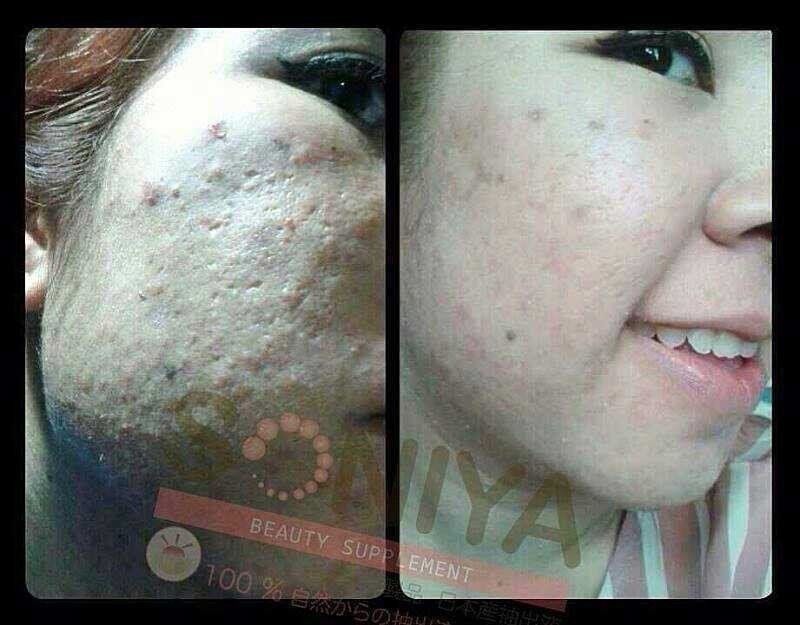
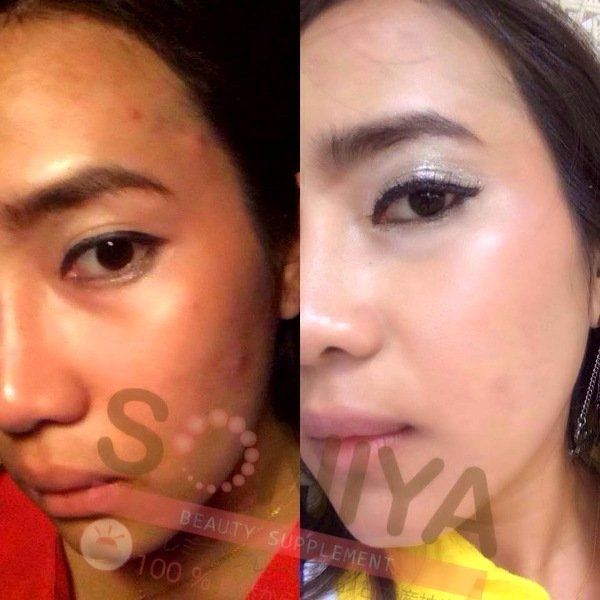
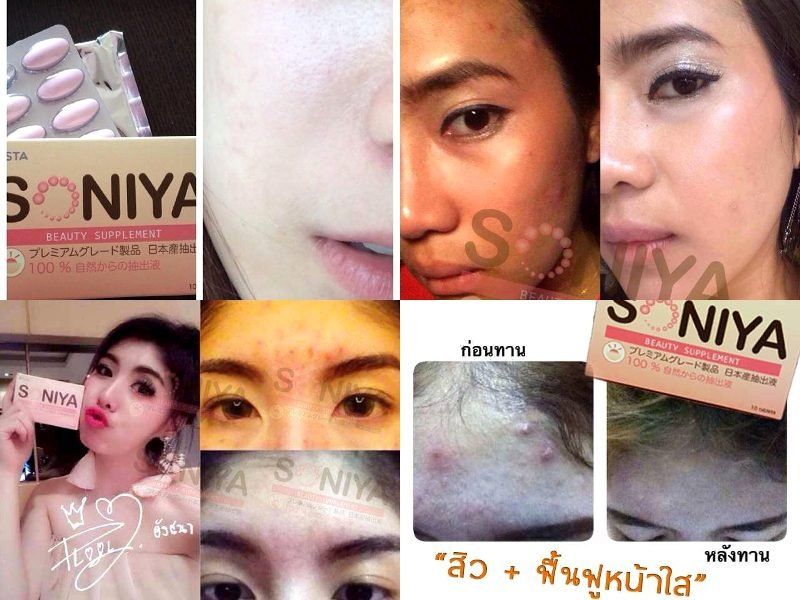
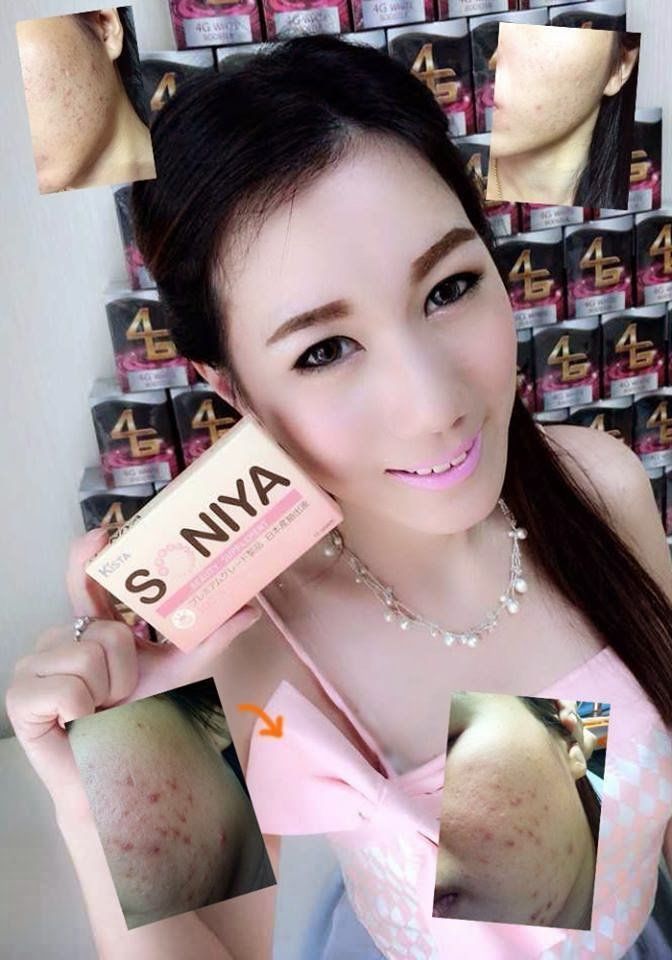
- properties: Acne and prevent new acne, Shrink pores, Reduce redness of acne hyperpigmentation.
- the results are different then a person.
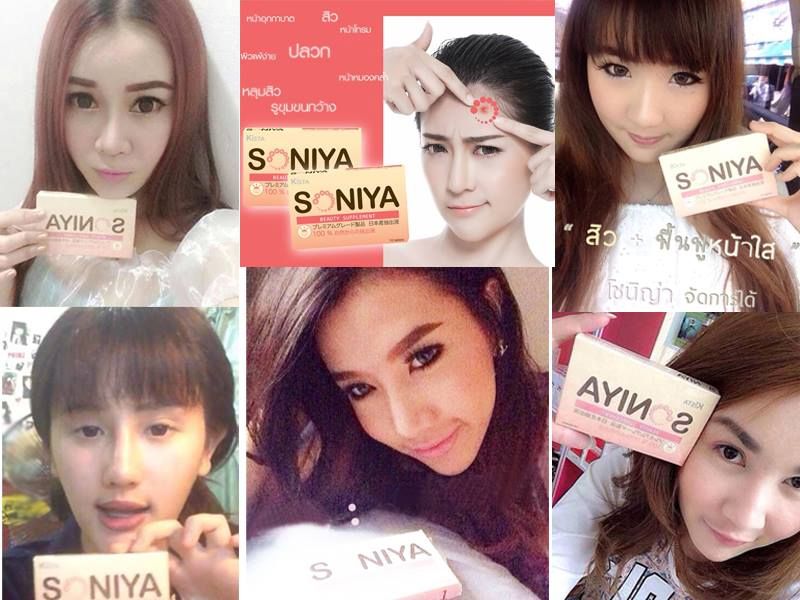
SONIYA "So Niña" Is Vitamin page shabby treatment acne skin, sensitive skin.
5 Things You benefit from the fight against acne problems.
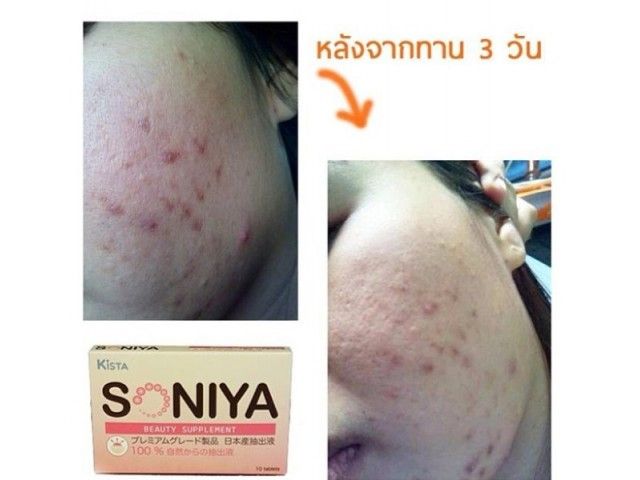
1. SONIYA "So Niña" reduce acne + acne new acne cystic acne acne pus around. 2. SONIYA "So Niña" fill holes tightly smoothness. 3. SONIYA "So Niña" lets not forget skin pores. Powder adhesive 4. SONIYA "So Niña" help strengthen the skin cells. Suitable for sensitive skin 5. SONIYA "So Niña" reduce redness, hyperpigmentation of the skin.
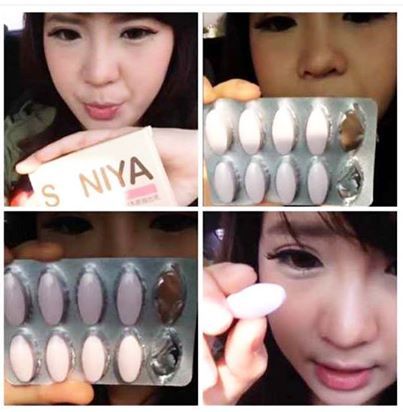
Soni Papaya Supplement helps eliminate pimples , there are 10 pills are supplements that can enhance skin plump up facial skin and wrinkles less noticeable . 100 % natural ingredients imported from Japan . Soup soniya = anti- acne skin + extra + Tight skin perfectly . soniya can reduce redness of acne, dull skin cells to create the ideal for sensitive skin. soniya a supplement that can enhance skin plump up facial skin and wrinkles less noticeable . 100 % natural ingredients imported from Japan.
Dosage
1-2 capsules daily one time in the morning before meal. First two weeks consume 2 pills per day before meal. After first two weeks consume 1 pill per days before meal. You will notice the change after 5 days. Recommend to continue onsume for 6 Boxes or 1-2 months.
Ingredient
Rose Hip Extract, L-Cysteine, Emblica Extract, Alpha Lipoic Acid,Tomato Extract, Oligopin, Bilberry Extract, Collagen Tripeptide, L-Glutathione, Ascorbic Acid, Co-Enzyme Q10, Niacinamide, Vitamin.E
!! Good for personal health or a gift !!
Condition : 100% Brand new Natural Product
Thailand FDA Registration No.: 12-1-09448-1-0297
|
Indication :Please 1-2 tablets daily in the morning on an empty stomach.
|
|
Manufactured :KISTA(JAPAN)
|
|
Size : 10 Capsules/packs
|
|
Condition : Brand new & Never used with a seal pack.
|
|
|
1) L-Glutathione
Glutathione has an interesting side effect on the body that some see as unwanted and other see as helpful. Glutathione is an inhibitor of melanin in the skin, meaning that it actually causes the pigment of the skin to lighten. Primarily produced in Asia, in countries like Japan and the Philippines, glutathione soaps and lotions claim a number of skin benefits. Glutathione cosmetics, besides lightening the pigment of the skin, also claims to reduce blemishes and dark spots, melasma, chloasma, hyperpigmentations freckles and acne scars, as well as return a rosiness to the skin that's often associated with youth and vitality.
Because glutathione has been called a master antioxidant, producers of glutathione supplements and lotions also claim that glutathione when used on the skin is able to reduce and reverse some of the effects of age and damage from oxidization. Oxidization is one of the main causes of aging on the skin, and many cremes exist that are full of antioxidants and claim to help reverse some of the causes of aging.
2) Vitamin C Vitamin C skin lightening has become a popular subject in skin care circles recently, and with good reason. Vitamin C, an essential water soluble vitamin, otherwise known as Ascorbic acid was made popular in the 1970s by the work of two time Nobel prize winning scientist Linus Pauling. Our bodies are not able to make vitamin C and so it must be obtained from our diet. Vitamin C is an "antioxidant" and can protect the cells of the body from damage caused by free-radicals, un-paired electrons, created by normal biological processes and environmental pollutants, that can wreak havoc at the cellular level. Vitamin C is also critical for Collagen synthesis, important for skin,ligament & bones formation. Natural and synthetic forms appear to be the same chemically and there is not much evidence that either works better than the other, although the majority of research has been done using synthetic versions. Dr. Pauling recommended about 2000 MG per day in the 1970s but today the Pauling Institute recommends about 400 milligrams a day in two divided doses. This is based on more current research not available to Dr. Pauling. Vitamin C is available in a number of different forms including
3)Pine Bark Extract
A new study has found that a natural supplement, Pycnogenol, can be used to effectively fight the signs of ageing on the skin. Researchers in Germany examined 20 healthy women, aged 55 to 68 years. Participants were given 75 milligrams of Pycnogenol per day, over a period of 12 weeks. Skin hydration, skin elasticity and skin fatigue were assessed at the beginning of the trial, at six weeks and at 12 weeks. The results published in the journal Skin Pharmacology and Physiology suggested that taking the supplement helped to improve the appearance of the skin in several different ways.
Pycnogenol was found to enhance skin elasticity by 25% and skin hydration by 8%. Its effects were especially noticeable in women who had dry skin before beginning to take the supplement Taking Pycnogenol was also shown to improve skin fatigue, reduce skin wrinkles by 3% and increase skin smoothness by 6%. In addition, the supplement was shown to increase the skin’s hyaluronic acid production by 44%. “To date, Pycnogenol is the only natural supplement that stimulates hyaluronic acid production in human skin,” said lead researcher Dr Jean Krutmann. “And, we are encouraged by the molecular evidence confirmed in this study that shows nutritional supplementation with Pycnogenol benefits human skin.
” Pycnogenol is the registered trade name for a patented water extract of the bark of the French maritime pine (Pinus pinaster ssp. atlantica), which grows in coastal southwestern France. Pycnogenol contains oligomeric proanthocyanidins (OPCs), as well as several other bioflavonoids including catechin, epicatechin, phenolic acids (such as ferulic acid and caffeic acid), and taxifolin. The bioflavonoids found in Pycnogenol are also found at high concentrations in red wine, grapes, cocoa, cranberries and apples. Pycnogenol is used for treating a variety of ailments from allergies, asthma, circulation problems to prevention of stroke, heart disease and varicose veins. It is also used to slow the ageing process and improve endurance.
4)Emblica
Emblica officinalis (also known as Phyllanthus emblica, Indian gooseberry, or by its Hindi name amla) is a deciduous tree the fruit of which is a rich dietary source of vitamin C as well as various minerals, amino acids, and phenolic compounds. Native to India, and found also in China, Indonesia, and the Malay Peninsula, amla has long been used in Ayurvedic medicine, and is highly regarded for its unique array of tannins (particularly emblicanin A and emblicanin B) and flavonoids, which exhibit antioxidant activity. In fact, the amla fruit is known to impart strong antioxidant activity and to protect human dermal fibroblasts against oxidative stress. Therefore, it is considered a useful adjuvant in natural skin care. This column will focus on the recent research pertaining to modern medical usage and the potential dermatologic applications of this plant traditionally used in Indian medicine.
A bioflavonoid found in blue green algae quercetin may effectively treat and prevent asthma symptoms. This nutrient has shown to inhibit histamine release from mast cells and the manufacture of allergy related compounds. Quercetin seems to have both a vitamin C sparing effect and a direct stabilizing effect on membranes including mast cells. Quercetin is also considered a phytoestrogen. That is a plant substance that acts in a way similar to estrogen. Quercetin has been found to have antiestrogenic activity that may lead to reduced risks of some cancers. It has been found to inhibit breast cancer cells in a test tube.
In 2002, a standardized extract of Emblica officinalis (trade name, Emblica) was found to exert a long-lasting and broad-spectrum antioxidant activity, appropriate for use in anti-aging, sunscreen, and general purpose skin formulations given its demonstrated capacity to protect the skin from damage engendered by free radicals, non-radicals and transition metal-induced oxidative stress.[4] In addition, Emblica® appears to be an ideal combination of the characteristics necessary for an effective skin-lightening ingredient. Specifically, it inhibits tyrosinase and/or tyrosinase-related proteins (TRP-1 and 2) and peroxidase/H2O2 at various points in the melanogenesis pathway,[5] and acts as a broad-spectrum cascading antioxidant. (Antioxidants comprise one group of suitable hypopigmenting agents.) Emblica®, which is photochemically and hydrolytically stable, therefore suitable for inclusion in skin care formulations, is thought to be comparably efficacious to hydroquinone and kojic acid as a skin-lightening compound, but without posing the same risks or likelihood of eliciting adverse effects.
.
|