|
2) Mentha arvensis
In ayurveda, Pudina is considered as appetizer and useful in gastric troubles. In Europe, wild mint was traditionally used to treat flatulence, digestional problems, gall bladder problems and coughs. The Aztecs used it for similar purposes and also to induce sweating and they used the infusion to cure insomnia. The oil was extracted and rubbed into the skin for aches and pains. The Native Americans also used it in several traditional ways. Nowadays it is used in many countries for various ailments. Mint extracts and menthol-related chemicals are used in food, drinks, cough medicines, creams and cigarettes. Chemical substances that can be extracted from wild mint include menthol, menthone, isomenthone, neomenthol, limonene, methyl acetate, piperitone, beta-caryophyllene, alpha-pinene, beta-pinene, tannins and flavonoids.

3) Centella asiatica
Centella asiatica (CA), a clonal, perennial herbaceous creeper belonging to the family Umbellifere (Apiceae) is found throughout India growing in moist places up to an altitude of 1800 m. It is found in most tropical and subtropical countries growing in swampy areas, including parts of India, Pakistan, Sri Lanka, Madagascar, and South Africa and South pacific and Eastern Europe. About 20 species related to CA grow in most parts of the tropic or wet pantropical areas such as rice paddies, and also in rocky, higher elevations . It is a tasteless, odourless plant that thrives in and around water. It has small fan-shaped green leaves with white or light purple-to-pink or white flowers and it bears small oval fruit . The whole plant is used for medicinal purposes[9]. It is widely used as a blood purifier as well as for treating high blood pressure, for memory enhancement and promoting longevity. In Ayurveda, CA is one of the main herbs for revitalizing the nerves and brain cells. Eastern healers relied on CA to treat emotional disorders, such as depression, that were thought to be rooted in physical problems . In the Western medicine, during the middle of the twentieth century, CA and its alcohol extracts reported to have shown positive results in the treatment of leprosy

The primary active constituents of CA are saponins (also called triterpenoids), which include asiaticosides, in which a trisaccharide moiety is linked to the aglycone asiatic acid, madecassoside and madasiatic acid . These triterpene saponins and their sapogenins are mainly responsible for the wound healing and vascular effects by inhibiting the production of collagen at the wound site. Other components isolated from CA, such as brahmoside and brahminoside, may be responsible for CNS and uterorelaxant actions, but are yet to be confirmed by clinical studies. Crude extract containing glycosides isothankuniside and thankuniside showed antifertility action in mice . Centelloside and its derivatives are found to be effective in the treatment of venous hypertension. In addition, the total extract contains plant sterols, flavonoids, and other components with no known pharmacological activity[16], namely, abundant tannins (20-25%), essential acid (0.1% with beta-chariophylen, trans-beta-pharnesen and germachrene D), phytosterols (campesterol, sitosterol, stigmasterol), mucilages, resins, free aminoacids (alanine, serine, aminobutyrate, aspartate, glutamate, lysine and treonine), flavonoids (derivates of chercetin and kempferol), an alkaloid (hydrochotine), a bitter component (vallerine), fatty acids (linoleic acids, linolnelic, oleic, palmitic and stearic acids).
4) Zingiber officinale
The ginger root, Zingiber officinale, has a long history of medicinal use. Early American colonists concocted ginger beer to ease nausea and vomiting. The ginger root, botanically called the rhizome, comes in various forms, such as tea, extract or pills. Research on the benefits of ginger for skin is relatively new. Before trying ginger extract as a remedy, consult your doctor first.The ginger plant flourishes in tropical climate and is grown in Jamaica, India, China and as southern parts of the United States. Many health benefits derive from its rhizome, a thick, underground stem that stores starch and produces both roots and shoots. Though ginger rhizomes are not a source of vitamins or fiber, they hold antioxidant properties thought to offer health benefits.
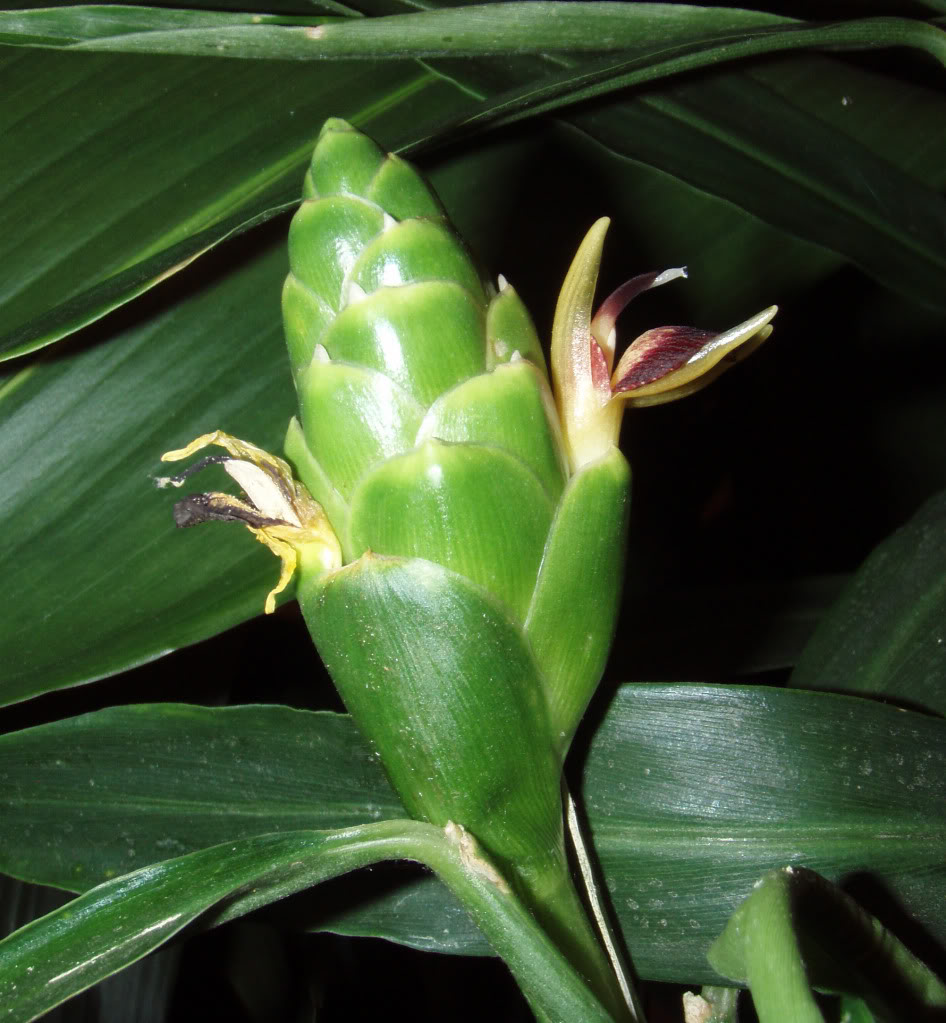
Ginger may play a role in reducing acne and skin inflammation. The University of Maryland Medical Center cites a study in which a combination of ginger and other medicinal plants reduced skin lesions. Through laboratory studies, scientists S.C. Penna and coworkers explored the potential benefits of ginger extract on skin disorders. In their 2004 publication in "Phytomedicine," authors found that ginger extract reduced skin edema, a type of inflammation.
4) Camellia Sinensis
Camellia sinensis is the species of plant whose leaves and leaf buds are used to produce the popular beverage tea. It is of the genus Camellia (Chinese: 茶花; pinyin: Cháhuā, literally: "tea flower"), a genus of flowering plants in the family Theaceae. White tea, yellow tea, green tea, oolong, pu-erh tea and black tea are all harvested from this species, but are processed differently to attain different levels of oxidation. Kukicha (twig tea) is also harvested from Camellia sinensis, but uses twigs and stems rather than leaves. Common names include tea plant, tea shrub, and tea tree (not to be confused with Melaleuca alternifolia, the source of tea tree oil).

Biologically speaking, a significant amount of scientific evidence points to the antioxidant and anti-carcinogenic properties of green tea. Many studies, including those conducted by the American Association for Cancer Research and in the journal Preventative Medicine, have demonstrated how drinking green tea can help prevent the formation of cancerous tumors, in both mice and humans. While there are only limited studies to prove its effects on the skin (Source: Photodermatology, Photoimmunology, and Photomedicine, February 2007, pages 48–56), most skin experts generally recommend green tea as a powerful antioxidant, anti-inflammatory and anti-aging ingredient.
The cosmetic and dermatological communities fervently laud green tea, mainly due to the fact that it contains the polyphenol epigallocatechin-3-gallate (EGCG). EGCG polyphenols are widely known for their anti-carcinogenic and antioxidant abilities, and have been shown to inhibit the body's immune suppression and skin cancer induction that typically follows UVB exposure. A 2001 study in the journal Carcinogenesis demonstrated how, after exposure to sunlight, the dermal application of EGCG can effectively reduce the body's oxidative stress and increase its enzyme and amino acid activity (mainly catalase and glutathione).
With regards to its anti-inflammatory effects, a 2003 study published in the Journal of Nutritional Biochemistry demonstrated how green tea also works to reduce UV induced inflammations (as measured by double skin swellings). It's been shown to be an extremely effective treatment for reducing the redness and irritation associated with Rosacea. Furthermore, recent research suggests that EGCG indirectly acts as a sun-protecting ingredient by quenching the body's UV induced free radicals, in turn preventing the breakdown of collagen and reducing the skin's UV damage (Source: Journal of Dermatological Science, December 2005, pages 195–204). In fact, green tea has been shown to enhance and work synergestically with other UV absorbing ingredients.
There exists far less research to support green tea's ability to diminish the appearance of wrinkles and sagging skin. Considering its well documented antioxidant and anti-inflammatory properties, it no doubt can help slow down the development of some of the visual signs of aging. Yet whether green tea can actually reverse some of the damage done and improve the appearance of aging skin, further research is warranted. In a 2005 study, 40 women with substantial photoaging were administered a combination of green tea supplementation and green tea face cream. ON one hand, after 8 weeks their skin showed no visible differences in clinical grading than that of the placebo group. On the other hand, laboratory skin biopsies of the women treated with green tea showed a significant improvement in their elastic tissue content.
While more research is required to prove the ingredient's benefits on mature skin (wrinkles, sagging), there's very little doubt surrounding the preventative anti-aging benefits of green tea, particularly when it is used in conjunction with sunscreen ingredients. Traditionally, the topical application of only high doses of the extract were thought to have subtstantial effects on the skin. Recent research, however, suggests that concentrations as low as .4% can benefit the skin. You may find camellia sinensis leaf extract in virtually avery type of personal care product such as facial moisturizer, cleanser, body lotion, anti-aging treatment, sunscreen, foundation, shampoo/conditioner, hair dye, rosacea treatment, acne treatment and shaving cream.
|