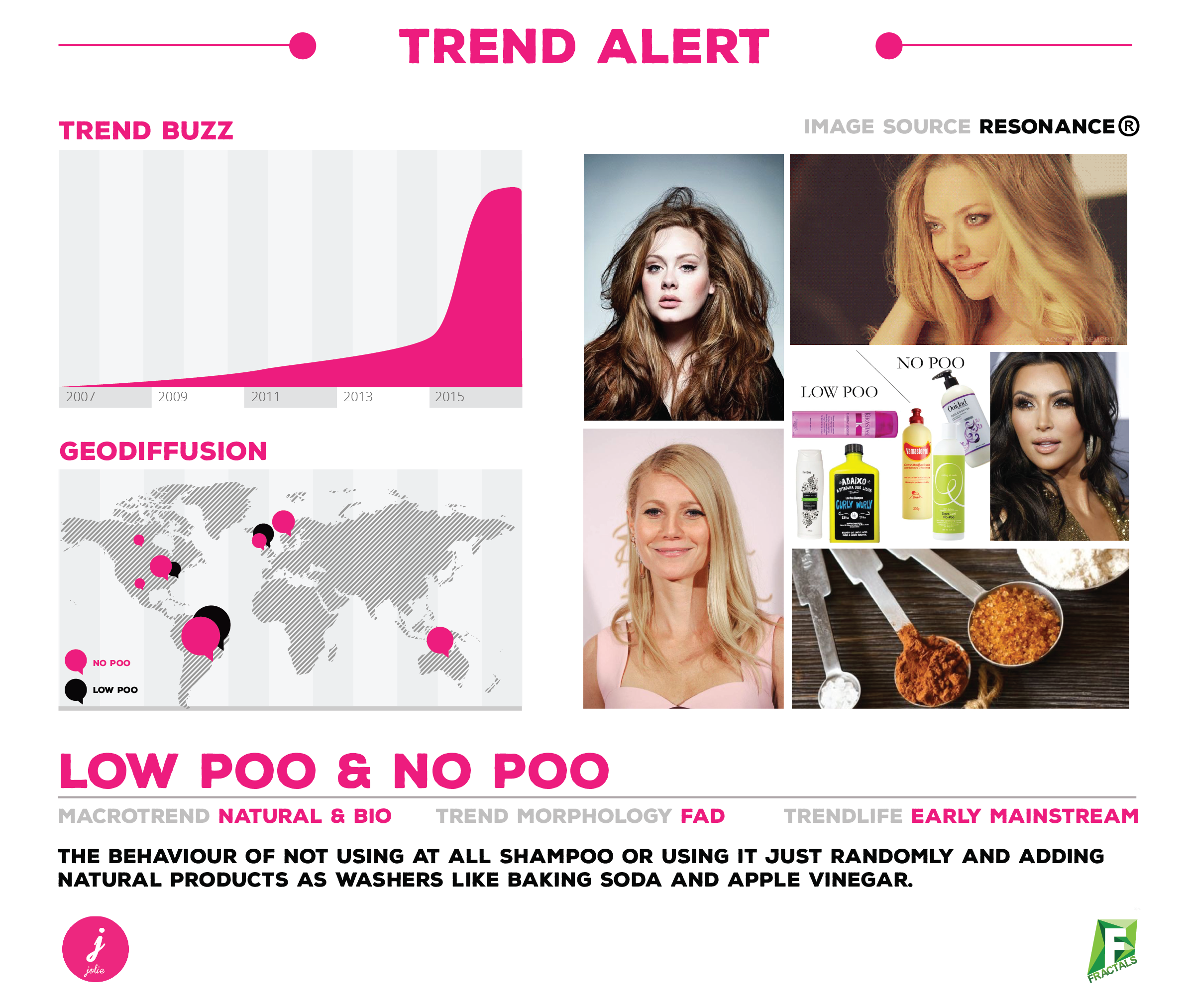
TREND ALERT: LOW POO & NO POO MOVEMENT
JOLIE

CATEGORY / Beauty & WellnesTAGS / beauty, low poo, no poo, trend, trend alert Fractals LAB / JolieDATE / January 12, 2016


Cleansing Conditioner Packshot Absolut Repair


Absolut Repair
CLEANSING CONDITIONER | 400 ml

Gentle Cleansing for very damaged hair

HAIR TYPE

VERY DAMAGED HAIR

RESULTS

Hair is cleansed, more resistant** and easier to style.
**Instrumental test after 10 applications.

INGREDIENTS

No sulfates*, no parabens and dermatologically tested, its rich, smooth and low lather texture gently cleanses very damaged hair. Enriched with ceramids, it protects the fiber and instantly detangles in just one step, in salon or at home.*No sulfate surfactants.

Ceramids

Helps to repair the hair at cellular level and regain their strength

SULFATE-FREE PARABEN-FREE

No sulfates*, no parabens and dermatologically tested, its rich, smooth and low lather texture gently cleanses very damaged hair.

Cleansing conditioner - optimal fiber tolerance for very damaged hair sensitive to washing.
No sulfates*, no parabens and dermatologically tested, its rich, smooth and low lather texture gently cleanses very damaged hair. Enriched with ceramids, it protects the fiber and instantly detangles in just one step, in salon or at home.

*No sulfate surfactants.

Cleansing Conditioner Packshot Curl Contour


Curl Contour
CLEANSING CONDITIONER | 400 ml
Gentle Cleansing for curly hair

HAIR TYPE

CURLY HAIR

RESULTS

Hair is cleansed, easier to style, curls look sublime and bouncy.

INGREDIENTS

No silicones, no sulfates*, no parabens and dermatologically tested, its rich, smooth and low lather texture gently cleanses curly hair while keeping its curl. Enriched with Hydracell complex, it defines curls and instantly detangles in just one step, in salon or at home.*No sulfate surfactants.

Hydracell

Helps nourishing and moisturising the hair fibre for beautiful curls

SILICONE-FREE SULFATE-FREE PARABEN-FREE

No silicones, no sulfates*, no parabens and dermatologically tested, its rich, smooth and low lather texture gently cleanses curly hair while keeping its curl.

Cleansing conditioner - optimal fiber tolerance for curly hair sensitive to washing.
No silicones, no sulfates*, no parabens and dermatologically tested, its rich, smooth and low lather texture gently cleanses curly hair while keeping its curl. Enriched with Hydracell complex, it defines curls and instantly detangles in just one step, in salon or at home.

*No sulfate surfactants.


Cleansing Conditioner Packshot Liss Unlimited


Liss Unlimited

CLEANSING CONDITIONER | 400 ml

Gentle cleansing for rebellious hair

HAIR TYPE

REBELLIOUS HAIR

RESULTS

Hair is cleansed, more disciplined and easier to style.

INGREDIENTS

No harsh salts, no parabens and dermatologically tested, its rich, smooth and low lather texture gently cleanses while reinforcing the manageability of rebellious hair. Enriched with Keratinoil complex, it intensely smoothes, protects and instantly detangles in just one step, in salon or at home.

KeratinOil complex

Helps stengthen the hair and hair is smoother

HARSH SALTS FREE PARABEN-FREE

No harsh salts, no parabens and dermatologically tested, its rich, smooth and low lather texture gently cleanses while reinforcing the manageability of rebellious hair

Cleansing conditioner - optimal fiber tolerance for rebellious hair sensitive to washing.
No harsh salts, no parabens and dermatologically tested, its rich, smooth and low lather texture gently cleanses while reinforcing the manageability of rebellious hair. Enriched with Keratinoil complex, it intensely smoothes, protects and instantly detangles in just one step, in salon or at home.

Cleansing Conditioner Packshot Vitamino Color


Vitamino Color
CLEANSING CONDITIONER | 400 ml
Gentle cleansing for color-treated hair

HAIR TYPE

COLOR-TREATED HAIR

RESULTS

Hair is cleansed and easier to style with radiant colour.

INGREDIENTS

No silicones, no sulfates*, no parabens and dermatologically tested, its rich, smooth and low lather texture gently cleanses without stripping colour. Enriched with UV-filters, a tocopherol derivative, panthenol and neohesperidin, it protects the radiance of color-treated hair and instantly detangles in just one step, in salon or at home. *No sulfate surfactants.

AOX complex

Helps preserving the color

SILICONE-FREE SULFATE-FREE PARABEN-FREE

No silicones,no sulfates*, no parabens and dermatologically tested, its rich, smooth and low lather texture gently cleanses without stripping colour.

Cleansing conditioner - optimal fiber tolerance for color-treated hair sensitive to washing.
No silicones,no sulfates*, no parabens and dermatologically tested, its rich, smooth and low lather texture gently cleanses without stripping colour.

Enriched with UV-filters, a tocopherol derivative, panthenol and neohesperidin, it protects the radiance of color-treated hair and instantly detangles in just one step, in salon or at home.

*No sulfate surfactants.


Trend Definition:

No Poo: A method of washing hair without using conventional shampoos. It was initially recommended for people with psoriasis or allergies to commercial shampoo and it has now became a real trend. It consists in reducing hair washing frequency (from once per week to once per month) and using only water, or water with natural products such as baking soda or apple cider vinegar. No pooers believe that chemical additives and silicone derivatives contained in common shampoos dry out and weaken hair.

Low Poo: To those who can’t give up the more flavorous (and fast) commercial solutions, the Low Poo fad gives the possibility to simply reduce hair washing frequency using less quantity of shampoo, in a perfect “reducetarian” philosophy. This is a choice that has more to do with money-saving and environment care than with a real interest for natural oils that are produced by our hair coat. There are some other hair washing methods that are quite similar to Low Poo. For instance, the Dry Shampoo that tends to absorb the oil that makes hair look greasy when you don’t wash it frequently; or the more recent co-washing, which is the habit of cleansing hair with conditioners or creams instead of shampoo.


Trend history:

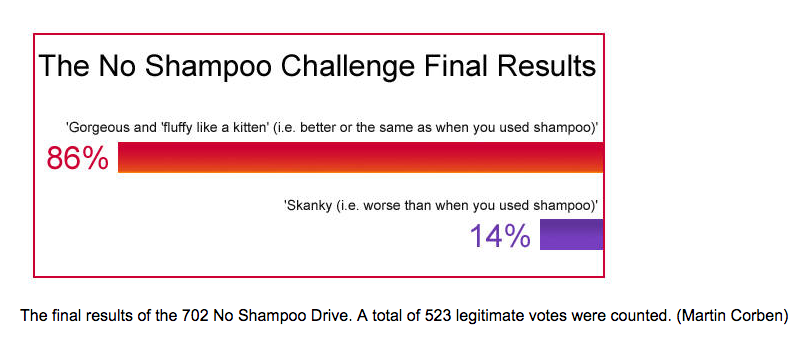
The habit of cleansing hair with natural products is not new. In fact, the first modern shampoos were introduced in the 30s. Some chinese tribus still use to wear their hair long and wash it every three days in the river, with water used to clean rice. Anyway, the restoration (or the innovation) seems to have started in Australia, 10 years ago: during an interview for a radio show in Sidney journalist Matthew Parris declared that he hadn’t been washing his hair for 10 years. This news caused sensation among the audience, so that was launched a challenge where the audience was invited not to wash their hair for 6 month. The result was quite “viral”: the 86% of the over 500 participants noticed an improvement in their hair conditions. Other journalists reported the news, maintaining the challenge alive for years, till it consistently arrived in the U.S in 2010 thanks to press and bloggers.

imgpsh_fullsize

Then, the adoption of the trend by celebrities helped to spread the phenomenon. Highly popular names such as Adele, Angelina Jolie, Brad Pitt, Jessica Simpson and Gwynet Paltrow are today some of the most famous NoPooers.

JOLIE


Nowadays the trend is about to go mainstream, also because of the diffusion of a new consciousness that is driving people to make more conscious, low cost and “home made” choices for reasons that have to do both with the economical crisis and environment care. Brasil is one of the countries that is more interested to this theme: there, the term “Low Poo” appears to be among the most googled of the last months, mainly associated with the adjective “curly”: natural curls, in fact, need more care and are more “challenging” when you decide to abandon conventional shampoos.

Trend Evidences:

So, what’s the “no poo” cure?

Among the top alternatives to traditional shampoos we see a list of ingredients that are low cost and really easy to get, which you can use togheter or separately. These are, in order of popularity: baking soda (althought people are already debating about it, which is a sign of the massive diffusion of the trend), apple cider vinegar, essential oils (especially argan), aloe, mallow, rosemary, and in some cases also yeast and chickpea flour.


Among the industrial products that are trying to challenge the homemade alternatives, a product that is declarated to be 100% sulphate free, parabens free and silicone free. Brasilian women, which are very interested to the theme, made many lists of products with few or zero chemical addictives. 


Is the 'No Shampoo' Trend Healthy or Harmful?

January 16, 2016

The "no-'poo" trend — short for "no shampoo" — is all the rage. Taking part is easy; just ditch your shampoo (at least typical detergent varieties) and "wash" (or simply rinse) your hair less, such as once every five days instead of daily or every other day.

The idea is that over-shampooing your hair strips it of its natural oils. Dr. Lisa Donofrio, cosmetic surgeon and associate clinical professor of Dermatology at Yale University School of Medicine, told HealthDay News:

" … [B]y leaving the natural oils on the hair, the hair doesn't need any styling products … If you don't apply any styling products, then there is no need to wash your hair. No products, no need to wash them out."

Beyond this, there's growing recognition that perhaps we've become too clean as a society. Your skin is teeming with bacteria and other microorganisms, much of it beneficial.

All of that washing may be disturbing this microbial balance. Not to mention, the shampoos many people lather on their scalps are chemical-laden and problematic in their own right.


Fewer Shampoos May Mean Less Exposure to Chemicals

If you use common commercial shampoos, you're lathering up your scalp with chemicals with every wash. Several years back, many people were shocked to learn that even Johnson & Johnson's baby shampoo contained toxic chemicals such as formaldehyde and 1,4-dioxane.

In response to consumer demand, in 2012 Johnson & Johnson agreed to remove some of the toxic chemicals from their products (and reportedly took formaldehyde and 1,4-dioxane out of their personal care products as of 2015).9However, many questionable chemicals still exist in popular shampoos.

For instance, shampoo commonly contains endocrine disruptors, which are chemicals known to interfere with development and reproduction, and they may cause serious neurological and immune system effects. What else might be lurking in your shampoo?

Sodium lauryl sulfate, a surfactant, detergent and emulsifier used in thousands of cosmetic products, as well as in industrial cleaners.

It's present in nearly all shampoos, scalp treatments, hair color and bleaching agents, toothpastes, body washes and cleansers, make-up foundations, liquid hand soaps, laundry detergents, and bath oils/bath salts.

The real problem with SLES/SLS is that the manufacturing process (ethoxylation) results in SLES/SLS being contaminated with 1,4 dioxane, a carcinogenic byproduct.

Phthalates are plasticizing ingredients that have been linked to birth defects in the reproductive system of boys and lower sperm-motility in adult men, among other problems. Be aware that phthalates are often hidden on shampoo labels under the generic term "fragrance."

Methylisothiazolinone (MIT), a chemical used in shampoo to prevent bacteria from developing, which may have detrimental effects on your nervous system.

Parabens, chemicals found in shampoo, deodorants and other cosmetics, have been shown to mimic the action of the female hormone estrogen, which can drive the growth of human breast tumors.

A study published in 2012 suggested that parabens from antiperspirants and other cosmetics indeed appear to increase your risk of breast cancer.10 The research looked at where breast tumors were appearing and determined that higher concentrations of parabens were found in the upper quadrants of the breast and axillary area, where antiperspirants are usually applied.


Urban legends: 3 common misconceptions about the "low poo" haircare trend

 Urban legends: 3 common misconceptions about the "low poo" haircare trend
There's been a lot of talk about the latest must-try "low poo" haircare trend - where you reduce the number of times you shampoo your hair every week - but there are also several misconceptions about the consequences of going low poo. We're here to debunk those urban legends and give it to you straight (or curly).

"If it doesn't mousse, it's doesn't wash"

We're so used to shampoo that the idea of washing our hair with a product that doesn't lather up can seem strange: "How can it clean my hair if it doesn't go all foamy?" The answer is - it can! Low poo haircare products contain far fewer chemicals, which is why they a) don't mousse and b) are better for your hair!

"Not using shampoo gives you dirty hair"

Not true either! There are plenty of alternatives to using shampoo that do just as good a job at removing dirt and dead cells from your hair. The low poo haircare approach doesn't mean you don't wash your hair, you just don't use shampoo to do it. You don't even have to cut out shampoo completely, you can alternate cleansing methods. A conditioning cleanser does the same thing as shampoo, without stripping hair of nutrients then coating the fibers in chemicals.

"When you don't use shampoo, your hair looks greasy"

Fans of low poo would strongly disagree! They argue that, by reducing shampoo usage, hair gets less and less greasy over time. Likewise with conditions such as dandruff or frizz. By keeping your washing routine as simple as possible, your hair can rediscover its natural state - the way it was born to be!

Are you thinking about jumping on the low poo bandwagon?


BLOG REVIEWS!!!

May 11, 2016

L'Oréal - Cleansing Conditioners

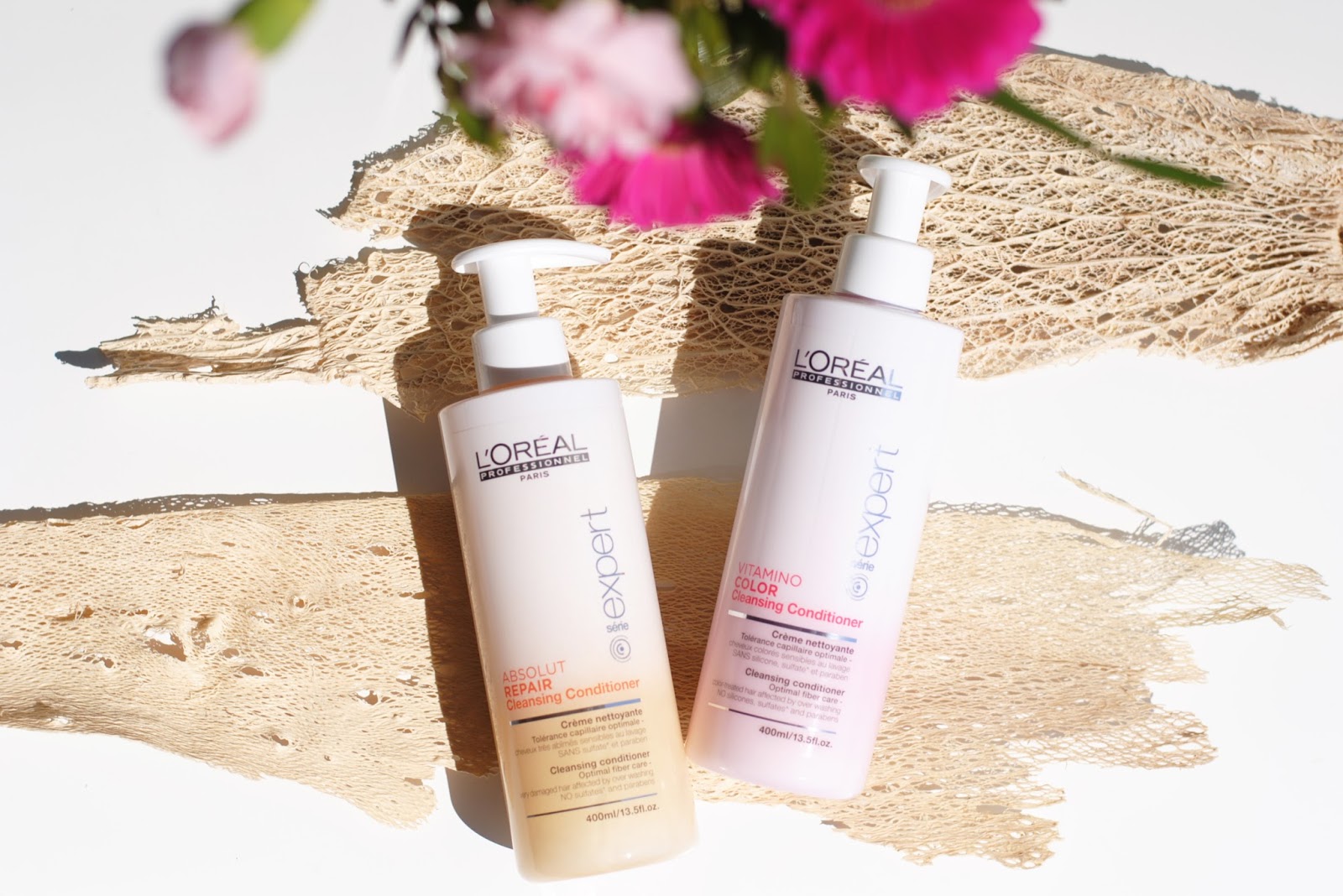
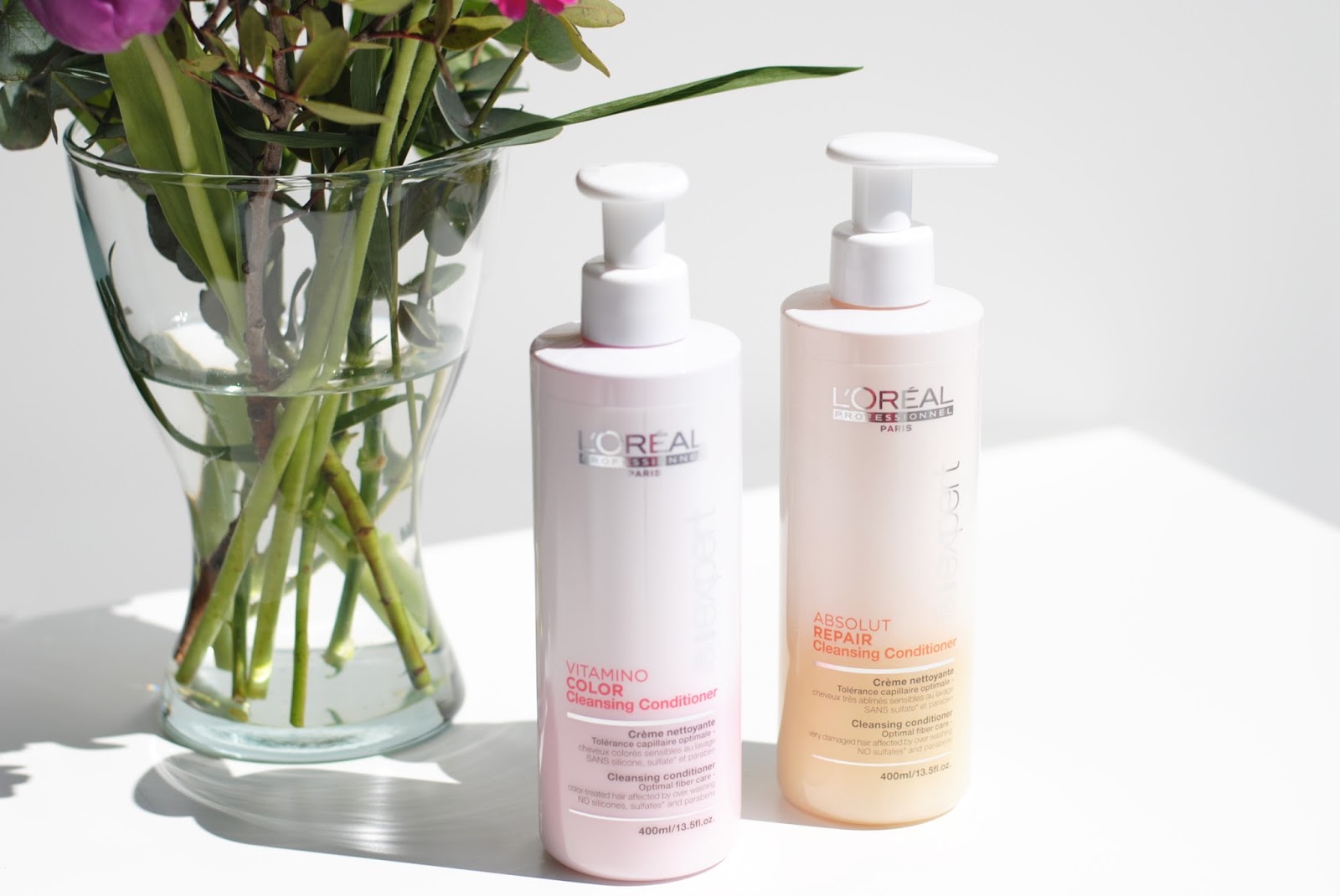
The No/Low Poo trend has actually made brands think about (and even create) products for women who want less 'poo' in their cleansing routine. That's why L'Oréal Professionnel Paris launched 3 new cleansing conditioners: clean and care in 1 step without any sulfates or parabens!


What is a cleansing conditioner?

A cleansing conditioner has almost no foam (no/low poo) when washing your hair. This was odd for my when I tried it, because I always make that foam-cleanness connection in my head. A cleansing conditioner only has 1 step, it washes and treats/nourishes at the same time. It has a 10% cleansing / 90% treatment ratio

How to use a cleansing conditioner:

Step 1: 

Put the conditioner on your whole hair, less is not more in this case. Use about 3-5 pumps.

Step 2: 

Massage it in (lengths and scalp) and leave in for about 5 minutes.

Step 3:

Add a bit of water, massage again and rinse off.

My experience:

So I tried out the Absolut Repair Cleansing Conditioner, and it was so weird at first. No foam and it also didn't really work when my hair was very oily, I didn't have that 'clean' feeling afterwards. L'Oréal also says that these are suitable for daily use or in-between regular shampoos. So you can't really use these once a week and that's it. I sometimes use dry shampoo to postpone washing my hair because we all know that the more we wash it, the more or scalp creates natural oils to restore balance and our hair gets more oily. It's a vicious circle really. So a cleansing conditioner is great when you use it that way, in-between regular shampoos. But I also know that some of you are big 'no poo' fans and if you use it on a regular base, your hair will eventually get used to this. (But the first weeks it will be more oily.) When I used it on mildly oily hair, it did got and looked completely clean.

Absolut Repair Lipidium & Vitamino Color

The L'Oréal Cleansing Conditioners are completely free of sulfates and parabens. The Absolut Repair Lipidium is suitable for dryer damaged hair. It is enriched with ceramids. Vitamino Color is enriched with uv-filters, a tocopherol derivate, panthenol and neohesperidin to protect the radiance of color-treated hair. This one also contains no silicons.


L'Oréal Professionnel Paris - Absolut Repair Lipidium Cleansing Conditioner
L'Oréal Professionnel Paris - Vitamino Color Cleansing Conditioner
Cleansing conditioners aren't something that I will use very often, I am too much of a mask/shampoo/conditioner girl to get into the whole no poo trend. I do think however, that it is better if I use this instead of dry shampoo. Much better to postpone the full cleansing routine.
Have you ever used a cleansing conditioner? 
What do you think about it and the no/low poo trend?
Love, Rani