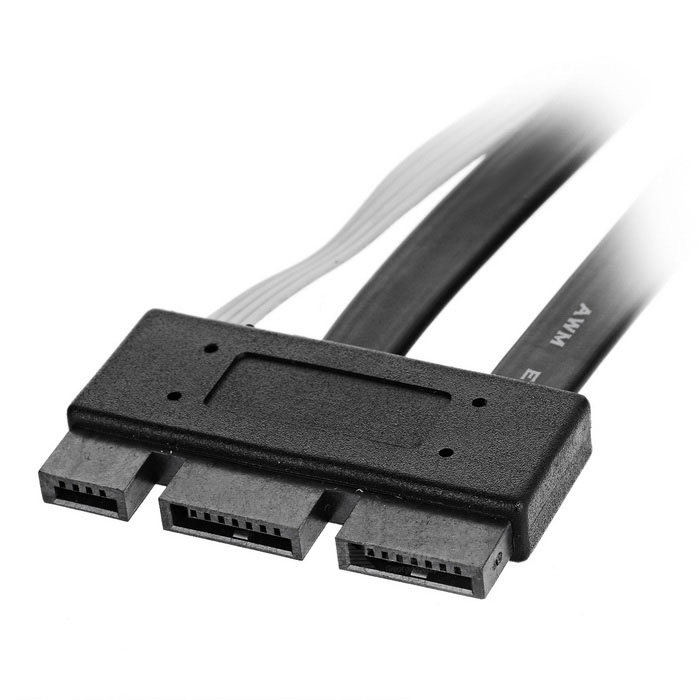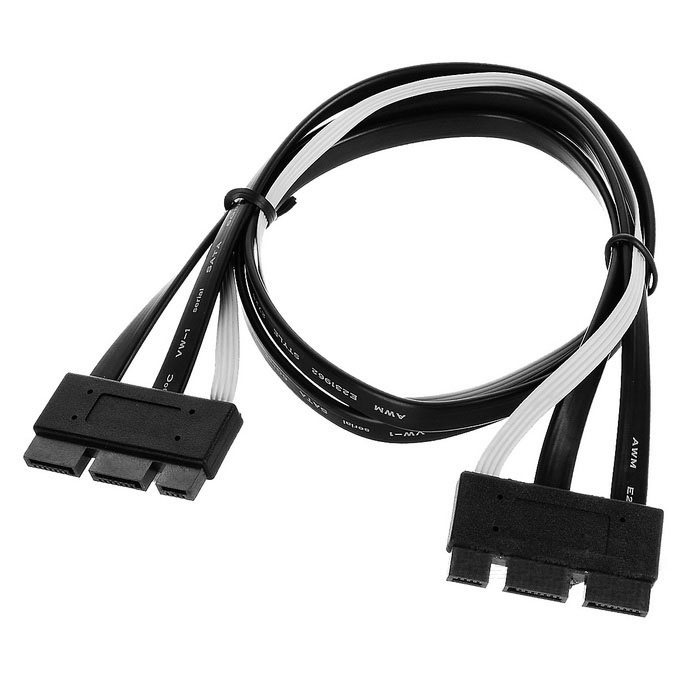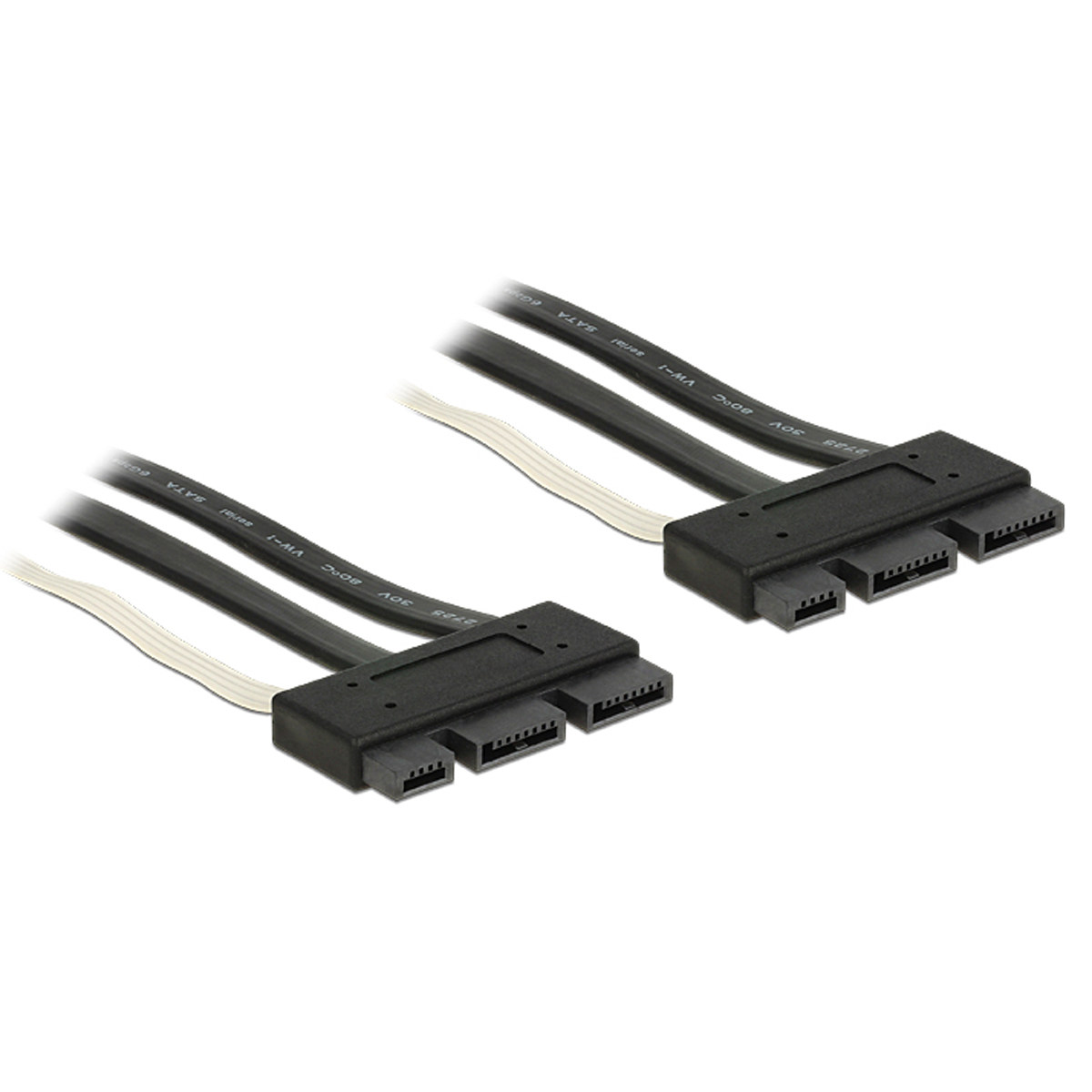
SFF-8639 SATA 3.2 SATAe Express转 SATAe Express数据线
50cm
1.SATA Express在SATA/PCIe 2.0/PCEe 3.0模式下分别可以提供600MB/s、1GB/s和2GB/s的带宽
2.SFF-8639本质上就是SATA Express,最多支持四条PCI-E 3.0,因此理论带宽高达4GB/s,
即便是受制于PCI-E总线效率问题实际上最高只能达到大约3.2GB/s
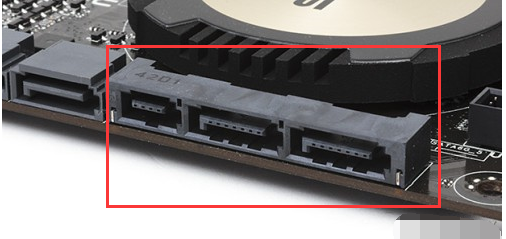
主板上要有下图所示的接口才可以使用:
SATA-Express是SATA接口+PCI-Express的混合体,其理论带宽达10Gbps,比SATA3.0高了4Gbps,它能兼容SATA标准的老硬盘,也能使用SATA-Express接口的高速SSD,每个SATA-Express接口可以接1个SATA-Express硬盘,或者2个SATA硬盘。由于缺乏原生支持,目前9系列的SATA-Express接口都是第三方芯片提供的。
众所周知,前些年计算机的瓶颈已经从CPU显卡转移到了硬盘,硬盘存取速度严重不足,所以SSD迅速的发展、火爆起来,如今,SSD已经成为了图吧、卡吧标配
然而落后的SATA3接口理论上限只有6Gbps,实际很难突破800M/S,这个速度并不能满足需求,目前市场上的SDD很多都已经有550MB的存取速度,优秀者甚至已经突破SATA3的上限
更可怕的是,SATA所遵循的AHCI标准当初是为机械硬盘涉及,不但存取提升有限,4K方面更是不足,在IOPS和队列深度上已经日趋拙鸡。
为了应对这个问题,出现了所谓的NGFF接口,利用充裕PCI-E通道,有足够的速度,专为超极本涉及,不但占用空间小,省电,而且速度快,容量也不错。
而后台式机同样出现了这个问题,就出现了SATA-Express,原本是打算将两个SATA口合并,6Gbps+6Gbps=12Gbps,但是最后发现如此做的话,很难达到向下兼容(如SATA3向下兼容SATA2),并且成本略高。最后又将头绪转向了PCI-E。
最后的结果就是,我们口看起来虽然好像是SATA+SATA,但是实际上,他走的是PCI-E通道,而不是SATA。
SFF-8639 SATA 3.2 SATAe Express to SATAe Express data cable
50cm
1.SATA Express offers 600MB / s, 1GB / s and 2GB / s bandwidth in SATA / PCIe 2.0 / PCEe 3.0 mode
2.SFF-8639 is essentially SATA Express, supports up to four PCI-E 3.0, so theoretical bandwidth up to 4GB / s,
Even subject to PCI-E bus efficiency problems can only be up to about 3.2GB / s
The motherboard has the interface shown below can be used:
SATA-Express is a hybrid of SATA interface + PCI-Express with a theoretical bandwidth of 10Gbps and 4Gbps higher than SATA3.0. It is compatible with SATA standard hard disks and high-speed SSDs using SATA-Express interfaces. Each SATA-Express interface can connect one SATA-Express hard drive, or two SATA hard drives. Due to a lack of native support, the current 9 series SATA-Express interfaces are provided by third-party chips.
As we all know, a few years ago the bottleneck of the computer has been transferred from the CPU graphics card to the hard disk, hard disk access speed is not enough, so the rapid development of SSD, hot up, and now, SSD has become a map bar, card standard
However, behind the theoretical limit of SATA3 interface is only 6Gbps, the actual hard to break 800M / S, this speed does not meet the demand, many of the current market SDD has 550MB access speed, outstanding people have even exceeded the upper limit of SATA3
Even more frightening is that the AHCI standards followed by SATA were originally meant for mechanical hard drives. Not only increased access was limited, 4K was less than adequate, but IOQs and queue depths were already getting worse.
In order to cope with this problem, there has been a so-called NGFF interface. With sufficient PCI-E channel, there is enough speed for the Ultrabook. This not only takes up less space, saves power, but also has faster speed and better capacity.
The desktop also appeared this problem, it appeared SATA-Express, originally intended to merge the two SATA ports, 6Gbps +6 Gbps = 12Gbps, but in the end found that doing so, it is difficult to achieve backward compatibility (such as SATA3 down Compatible with SATA2), and the cost is slightly higher. Finally, the clues to the PCI-E.
The end result is that although it looks like SATA + SATA, we actually take the PCI-E channel instead of SATA.