

|

(Pack of 30s Assorted Sizes) 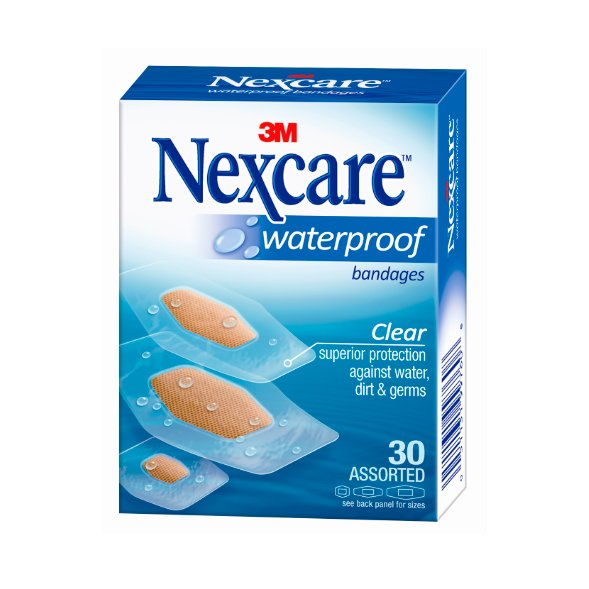 |

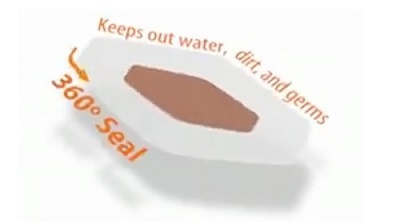
360° seal
|
 |
|
|
|
||
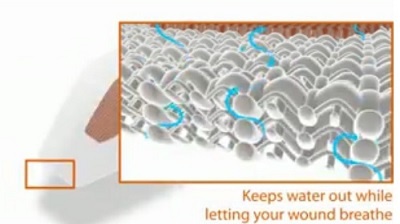 |
Breathable Material
|
|
|
|
||
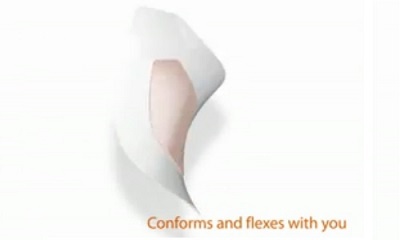
Ultra-thin Film
|
 |


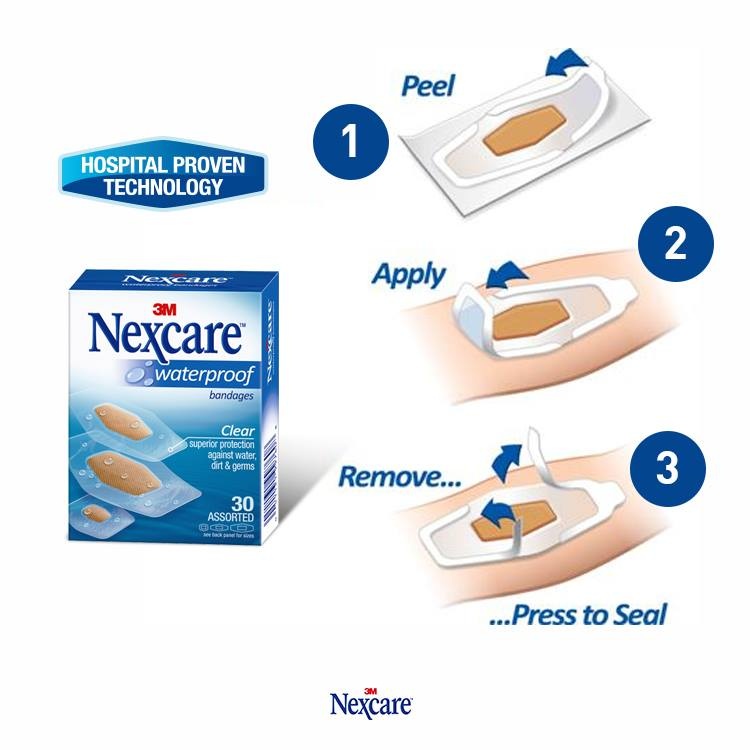

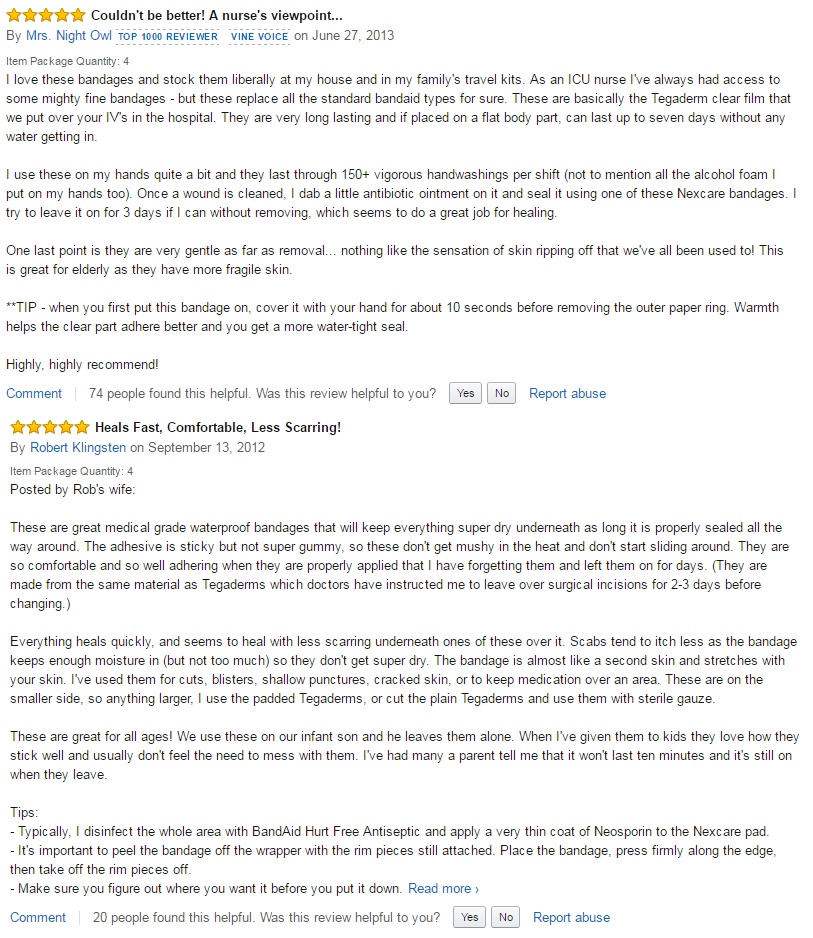

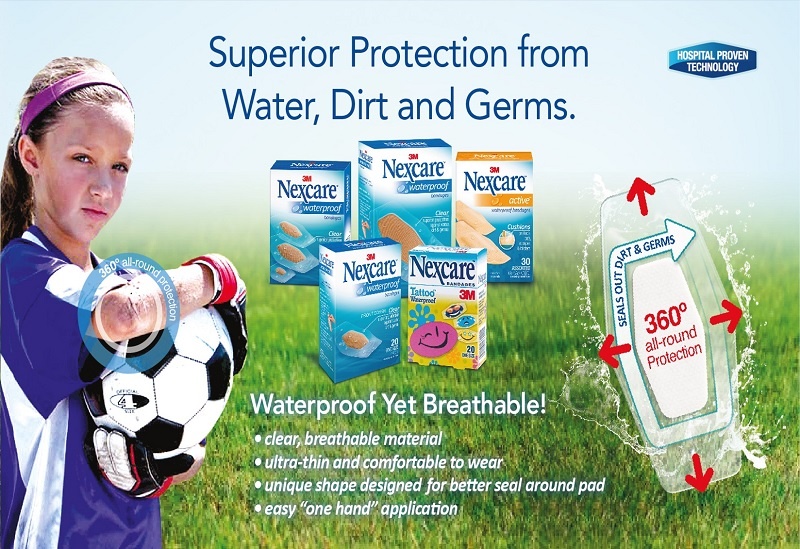
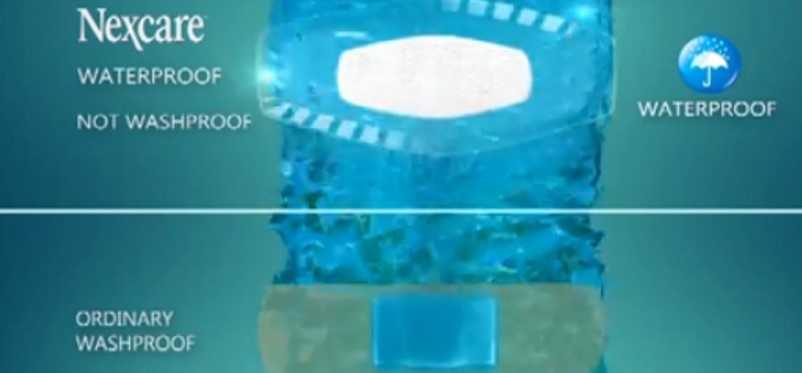
| Q: How do I apply Nexcare™ Waterproof Bandages? A: 1. Clean the wound thoroughly. 2. Pull wrapper apart. 3. Grasp end tab and peel bandage off wrapper 4. Apply to wound, pressing firmly; bandage will not stick if repositioned. 5. Remove paper frames at openings. Q: How can I help a bandage or wound dressing stick to my skin better? A: After you have washed the wound area, pat it dry before applying the bandage or wound dressing. After it's on, avoid rubbing the bandage or dressing or exposing it more than necessary to any liquids. Q: How often should I change my bandage? A: Change your bandage every day, or several times a day if it becomes wet or dirty. If you are using Nexcare™ Waterproof Bandages, these do not need to be changed if they become wet. Q: How do I remove a bandage/tape that will not release easily from my or my child's skin? A: If a bandage is not easily releasing avoid pulling on bandage, instead work a little baby oil or cooking oil into the adhesive to help the bandage release from the skin. Or use ice (covered with a paper towel) for 5 minutes or less. Ice will make the adhesive brittle, which may cause it to release. Q: Where can I purchase Nexcare™ Products? A: Nexcare products are available at Guardian, Watsons, Unity, Fairprice Finest, SaSa. Q: Do Nexcare™ Products contain natural rubber latex? A: Many of the bandage products are made with latex free materials, including: Nexcare™ Active™ Waterproof Bandages, Nexcare™ Heavy Duty Fabric Bandages, Nexcare™ Brights Comfort Fabric Bandages and Nexcare™ Comfort Pals™ Bandages. Most of the first aid tapes and wound closures, such as Nexcare™ Waterproof Transparent Film Dressings, are also made with latex free materials. The packaging or wrapper on Nexcare™ Waterproof, Tattoo™ Waterproof Bandages contains natural rubber latex, which may cause allergic reactions. All of our packaging contains latex warnings. Q: What can I use to protect my wound while taking a shower or bath? A: Use Nexcare™ Waterproof Transparent Film Dressings. This waterproof dressing seals out water, dirt and germs, and stays on in the shower or bath. If the dressing is covering an IV site, use an additional covering so that water does not enter the IV site by the catheter. Q: Do you have any products for sensitive skin? A: Try the Nexcare™ Waterproof Transparent Dressing with Pad or Nexcare™ Waterproof Transparent Film Dressing. |
3M Ultrathon™ Insect Repellent
(Spray Version 170g)
Expiry Date: Oct 2020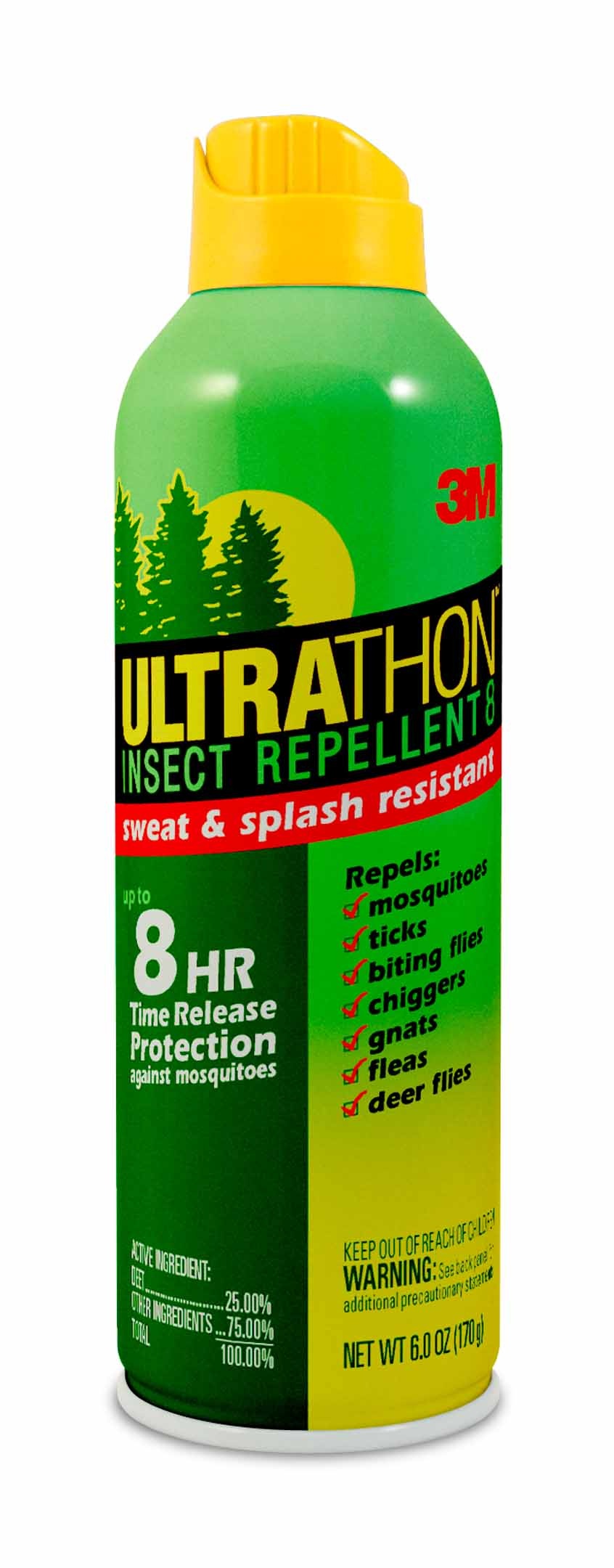
Background of Ultrathon™ Insect Repellent



|
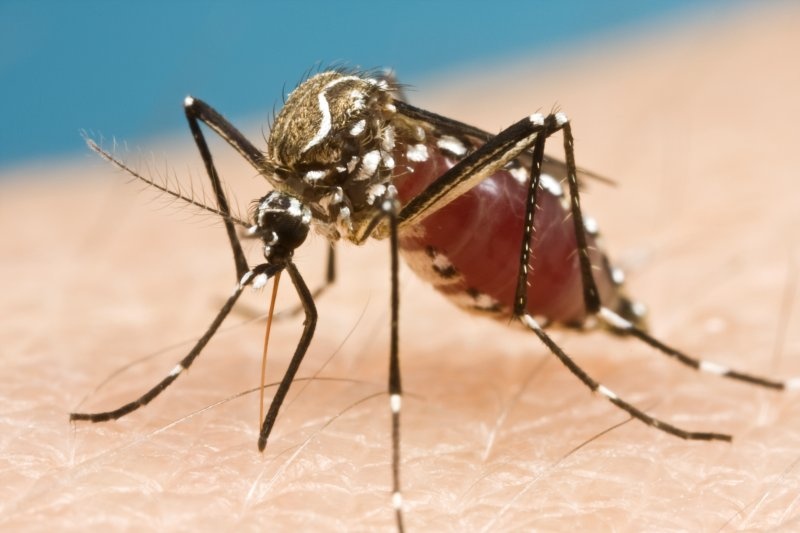
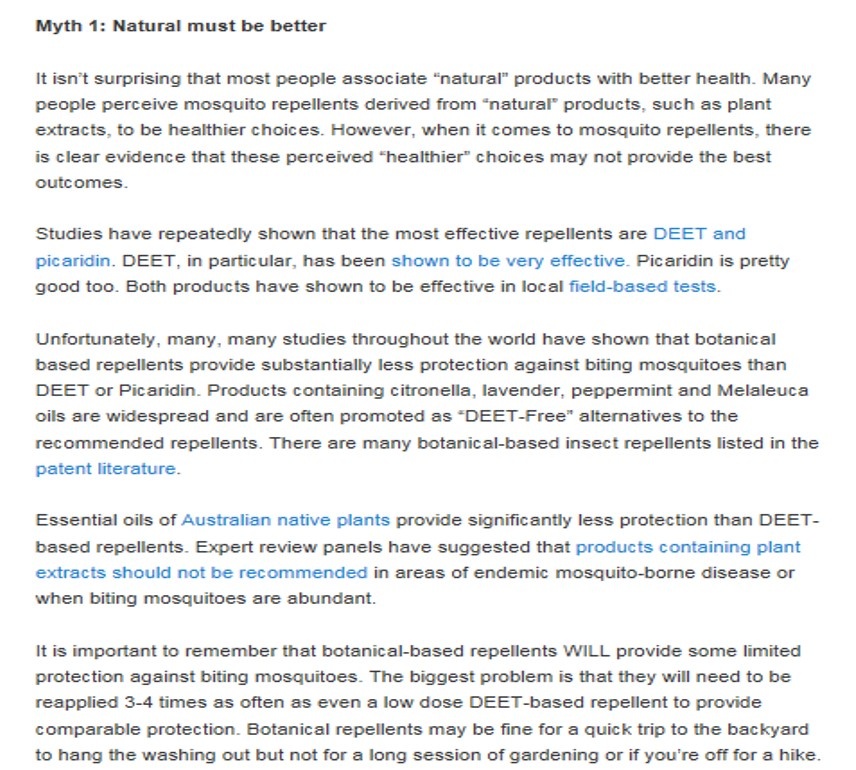
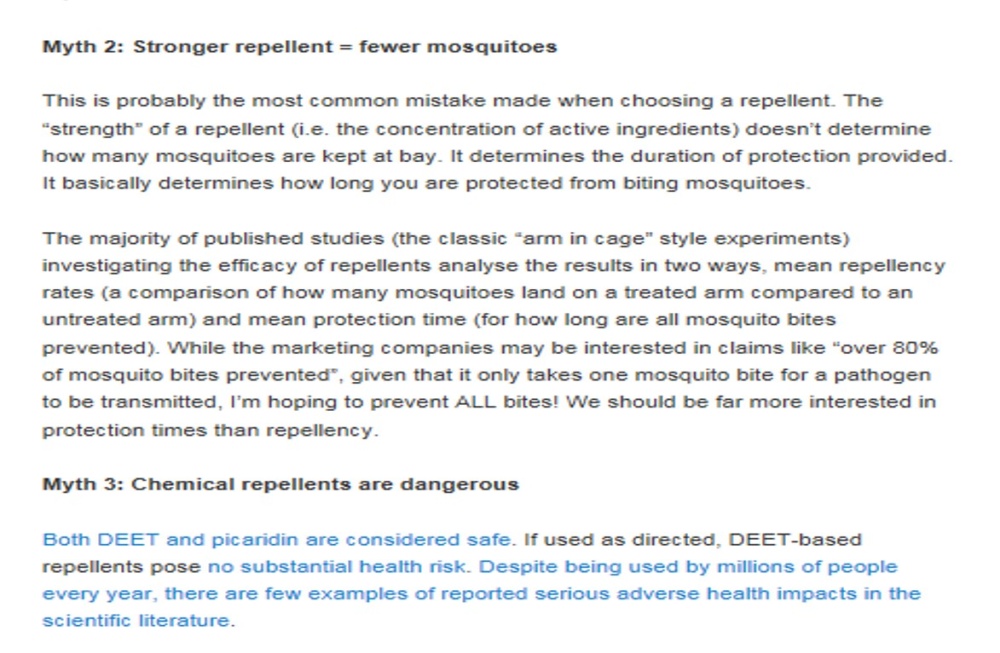
How do insect repellents work? Biting insects have antennae that detect lactic acid, carbon dioxide, and other volatile compounds that humans and animals give off in their breath and from their skin. Mosquitoes are so sensitive to these chemicals that they can detect a potential blood meal from as far away as 100 feet! Insect repellents are believed to work by blocking the stimulation of these receptors, preventing insects from homing in on their source. I've noticed that stores sell DEET in concentrations of anywhere from 5% to 100%. How do I know which strength is right for me? There is no one right answer to this question. The various concentrations of DEET are out there to address different needs. As a general rule, higher concentrations of DEET will offer longer-lasting protection, but this effect tends to level out at concentrations of DEET over 30%. Under most circumstances of casual use, 10% - 35% DEET will provide adequate protection. However, there are certain conditions in which using a higher concentration of DEET may be preferable. These circumstances include the following:
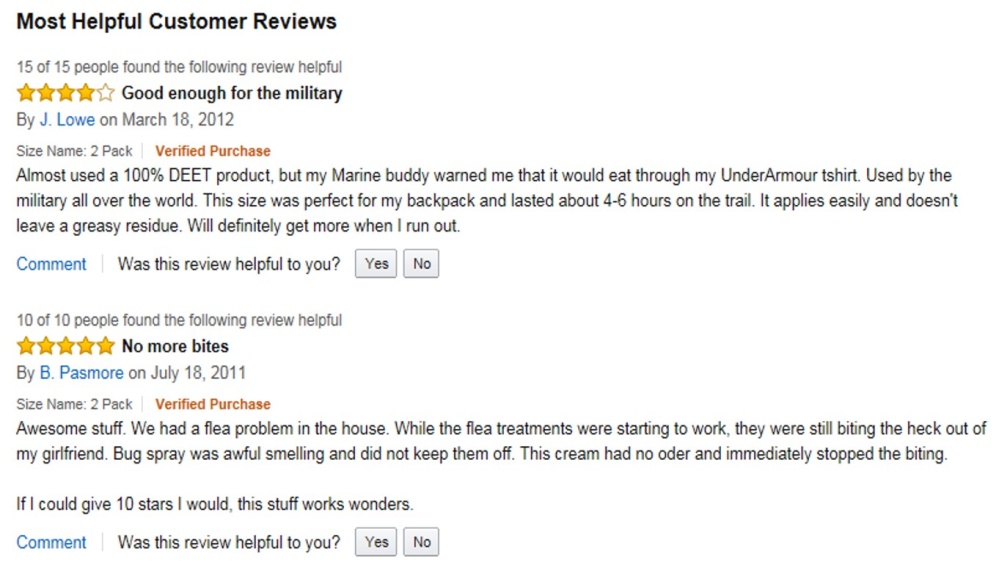
I've heard recently about "time-release" DEET repellents. Do these products have any advantages over the other DEET repellents? Nearly all DEET-based repellents on the market contain the DEET chemical simply mixed in a base of lotion, or alcohol. Extended or time-released products, in contrast, package the DEET in a special base that allows it to be released more slowly on to the skin surface. There are several advantages to this technology: These products will give longer-lasting protection, without requiring the use of high concentrations of DEET. They also reduce the number of times that re-application of the product may be necessary. Ultrathon, which is a time-release product, contains 25% (spray) 34.34% (cream) DEET in a polymer base; the cream version is identical to the repellent used by the U.S. military. How much repellent should I apply? Insect repellent should be applied as a thin layer, covering all the exposed skin surface evenly. There is no need to saturate the skin in order for the repellent to be effective. Do not apply insect repellent over cuts, wounds, or inflamed or eczematous skin. Is it O.K. to spray DEET on my clothes? DEET can be applied to either exposed skin or clothing. It should not be applied to skin that is covered by clothes. DEET should also not be applied to synthetic fabrics such as rayon or to plastics (e.g. spectacles), because it can damage these products. I purchased DEET-based wristbands, which claimed that they would repel mosquitoes, but they don't seem to work. Why? DEET essentially only protects the areas to which it is applied. Its repellent effect cannot travel far. The application of DEET to a few points of the body, therefore, will not "cloak" the user in protection. All exposed skin must be treated with DEET in order for it to be protected. Hungry insects will readily find any areas of unprotected skin. Is it O.K. to spray for use on children?
This product should not be used on infants 6 months and below. Do not allow children to handle this product. Do not apply to children's hands. When using on children, apply to your own hands, and then put it on the child. Use just enough repellent to cover all exposed skin. Do not use under clothing. Avoid over-application of this product. After returning indoors, wash treated skin with soap and water.
|